Although Seattle's downtown redevelopment may be receiving plaudits, Chuck Wolfe describes efforts underway to rethink land use regulations on a broader level in the city, with jobs in mind.


On the cusp of City Council hearings, Wolfe contrasts recent reports of a downtown revival with an update on the work of a regulatory reform roundtable, which has produced initial recommendations for Council adoption.
The roundtable's goal? Embrace immediate, simplifying measures intended to reduce complexity and increase flexibility, in turn decreasing the costs in time and money of starting and maintaining businesses and building new, more affordable housing as follows:
- Allow Small Commercial Uses in Multifamily Zones and Bring Back the Corner Store
- Concentrate Street-Level Commercial Uses in Core Pedestrian Zones Near Transit and Allow Residential, Live-Work or Commercial Uses in Other Areas Based on Market Demand
- Enhance the Flexibility of Parking Requirements
- Change Environmental Review Thresholds
- Encourage Home Entrepreneurship
- Expand Options for Accessory Dwelling Units and Rental Incomes
- Expand Allowance of Temporary Uses
Wolfe concludes:
"The proposals discussed here to help "make sustainability legal" (a catchy moniker coined by Seattle's Sightline Daily) can help lead the way, but they'll only work if they're implemented in concert with other efforts by city agencies, the city's planning commission and neighborhood stakeholders..."
Thanks to Chuck Wolfe
Read the full story: The Quest to Make Regulatory Reform Work in Seattle

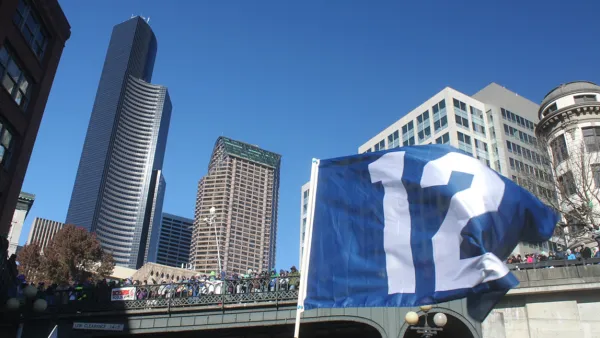
Placemaking Lessons Learned from Seattle's Super Bowl Parade
Last Wednesday, an estimated 700,000—more than the city's population of 635,000—welcomed the Seahawks home, without major incident. Writing in The Atlantic Cities, Chuck Wolfe describes five lessons for placemaking through words and photographs.

AI and Downtown Recovery: Missing the Mark in Seattle?
In his fourth GeekWire article on downtown recovery, Chuck Wolfe reviews the use of AI imagery in a section of the Seattle Downtown Activation Plan and suggests how it may have missed the mark.
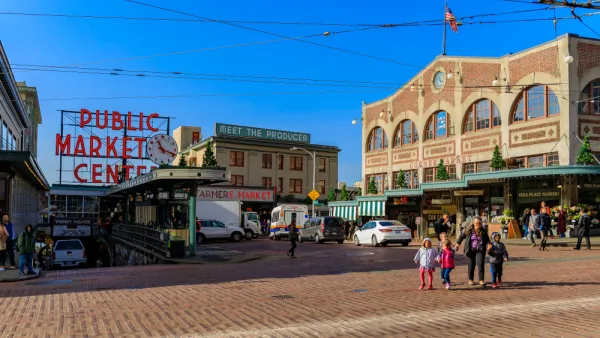
Seattle Accepting Proposals for Neighborhood Recovery Fund Projects
The fund will invest $6 million in community-led projects aimed at public space activation, digital equity, and other recovery strategies.

Planetizen Federal Action Tracker
A weekly monitor of how Trump’s orders and actions are impacting planners and planning in America.

‘Going backwards:’ Baltimore mayor, students rally against state's transit funding plan
Maryland's proposed six-year plan provides no funding for Baltimore’s BMORE bus program and reduces its road maintenance funding.

Detroit to transform waterfront with $2.2 billion investment
Developers will convert about 18 acres of unused parking lot space into civic spaces.

Minnesota seeks to replace fraud-ridden Housing Stabilization Services with new program
Federal prosecutors have charged over a dozen people in fraud cases involving at least $26 million.

A multi-billion dollar problem is brewing under Oakland’s streets
Oakland’s stormwater drainage systems are in desperate need of upgrades and repairs. The El Niño will only further strain the city’s infrastructure.

$2 trillion in economic growth may hide in ‘micropolitan communities’
Small cities hold 39% of America’s population, but receive only 10% of U.S. venture capital investment.

FREE Course: Walkable City 1: Why Walkability?
After describing his path towards focusing on walkability as the essence of good planning, Jeff Speck marches through his five principal reasons for making more walkable places.
Reinventing Malls: Planning Alchemy—Turning Gray Fields Into Gold
The course focuses on the opportunities and imperatives that shape reinvention of mall sites.

One Hundred Miles
County of Mendocino
planning NEXT
The Architects Foundation
University of Cincinnati Online
Montrose County
Northern Illinois Transit Authority (NITA)
The Pocatello Development Authority