Will Doig takes us through some of the biggest projects to look out for across the nation this year, proving that cities are neither as cash-strapped nor as unimaginative as we perhaps thought.


"There aren't a lot of urban parks that you'd get on a plane to visit, but if Chicago's plan for its Calumet region succeeds, we'll be on the first flight to O'Hare. Calling it ambitious would be like calling the Sears Tower tall. At 140,000 acres, the Millennium Reserve Initiative would be the biggest open-space project in the country, transforming a huge swath of underused, postindustrial land into a playground of wildlife corridors, parks, gardens, organic farms and more than 50 miles of hiking trails.
The city is hoping it'll be a boon to tourism and build on Chicago's already well-deserved reputation as a leader in big green urban ideas. The first phase, the Calumet Core, begins in earnest in 2012 with the restoration of 15,000 acres of open space."
Read the full story: The bold urban future starts now
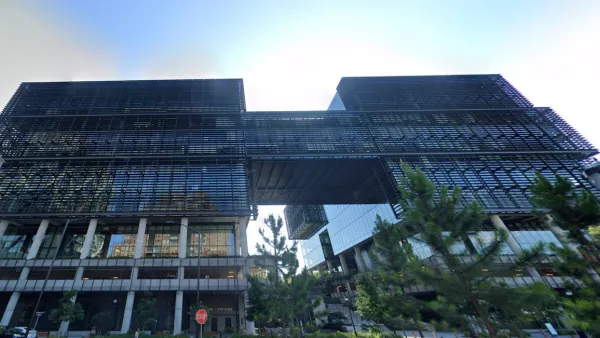
Fourth Ward Project Aims for Sustainability on Atlanta's Beltline
A new megaproject hopes to bring new life to a former industrial site.
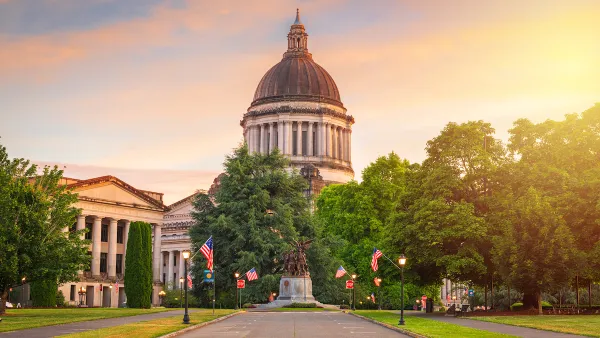
Washington State Transportation Budget Must Weigh Megaprojects, Maintenance
Major infrastructure projects face ballooning costs, putting basic maintenance and safety upgrade projects on the back burner.
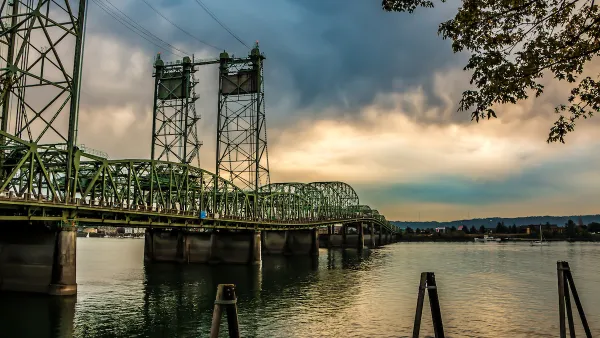
High-Profile Infrastructure Megaprojects for 2024
Federal funding is fueling a binge of major infrastructure projects spanning transportation, flood mitigation, and airport infrastructure.

Desperate measures: Advocates weigh draining Lake Powell to fill Colorado River
Draining the reservoir could reduce evaporation losses by a couple hundred thousand acre-feet.

Eastern Nebraska is running out of electricity
Data centers and electrification are straining eastern Nebraska’s grid, throttling economic development.

Malls are becoming the midtowns of the future
Mall and office park redevelopments are a generational opportunity to create new nodes of urbanity.

NYC breaks ground on anti-flooding infrastructure project
New York City's new system will reduce stormwater flows to local sewers by 90%.

One Kentucky town’s secret to affordable housing
The Smoketown Community Land Trust has already built seven affordable homes for community members.

Houston gains petal-shaped cooling infrastructure to make streets more ‘delightful’
The city has installed the pavilions along 15 blocks in Houston.

FREE Course: Walkable City 1: Why Walkability?
After describing his path towards focusing on walkability as the essence of good planning, Jeff Speck marches through his five principal reasons for making more walkable places.
Reinventing Malls: Planning Alchemy—Turning Gray Fields Into Gold
The course focuses on the opportunities and imperatives that shape reinvention of mall sites.

City of Rosemead
Rutgers University, Edward J. Bloustein School of Planning and Public Policy
One Hundred Miles
University of Michigan School for Environment and Sustainability (SEAS)
Hunter College, City University of New York (CUNY)
The Architects Foundation
City of Cambridge
Montrose County
The Pocatello Development Authority