The plan is believed to set a precedent for urban forestry management. It includes a Street Tree Designations component, created in response to one failed attempt to replace non-native palms with other types of trees.


"In addition to approving the plan -- which includes a street-by-street list of all the trees in the city and their designated replacements -- the council extended the term of the Urban Forest Task Force for the next seven years to help implement the plan.
After a U.S. Forest Service study several years ago revealed that Santa Monica's forest was aging, it became clear that 'we needed a comprehensive reforestation plan to diversify the age and the species of our street trees,' Stinchfield said.
Former Mayor Judy Abdo, who was chair of the Urban Forest Master Plan Task Force, told the council that the plan would increase 'age and species diversity, canopy coverage and biomass,' while 'respecting neighborhood character.'"
Read the full story: Council Approves Urban Forest Plan, Stiffer Fines for Cabbies

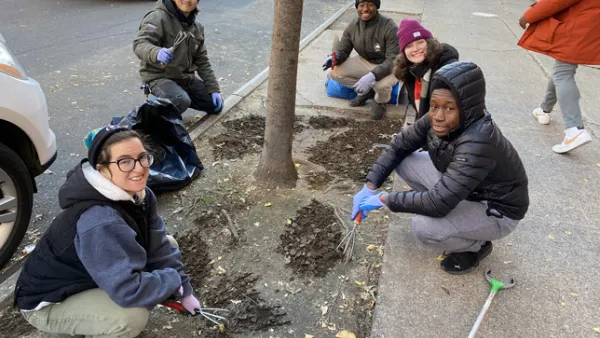
NYC plants over 18,000 trees, the most new foliage in a decade
Many of the trees were planted in communities vulnerable to extreme heat.
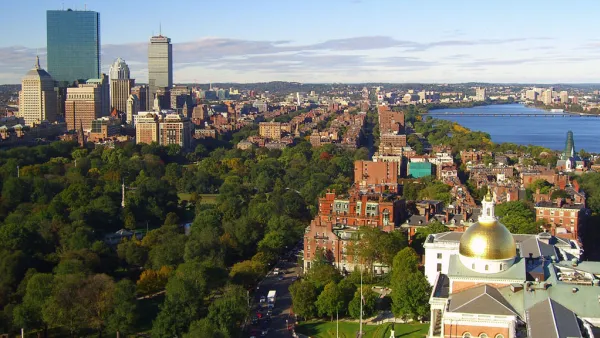
Boston Launches a 20-Year Urban Forestry Plan
The forthcoming Boston Urban Forestry Plan is expected to support communities that have been disproportionately exposed to environmental stressors.
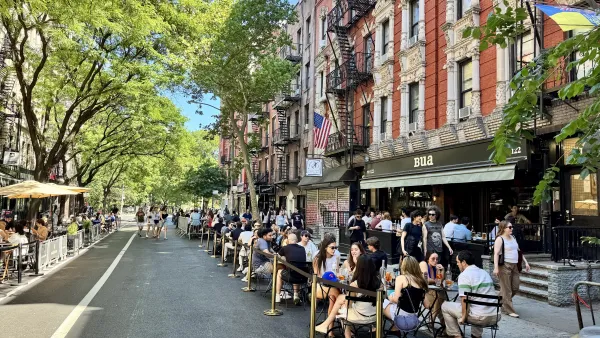
NYC will add nearly 10,000 acres of ‘urban forest’ by 2040
The city aims to increase canopy tree coverage by nearly 30% to cool streets and decrease heat-related illness.

Planetizen Federal Action Tracker
A weekly monitor of how Trump’s orders and actions are impacting planners and planning in America.

‘Going backwards:’ Baltimore mayor, students rally against state's transit funding plan
Maryland's proposed six-year plan provides no funding for Baltimore’s BMORE bus program and reduces its road maintenance funding.

Detroit to transform waterfront with $2.2 billion investment
Developers will convert about 18 acres of unused parking lot space into civic spaces.

San Antonio approves $1.1 billion transit agenda
The agency has also begun construction of its Via Rapid Green line, which will service passengers from the San Antonio International Airport.

Guerilla urbanists’ DIY benches joined by sanctioned seats in Chicago
The group behind the original homemade benches said they will continue installing them across bench-less bus stops in Chicago.

Boston spent $765 million to lease battery-powered trains
The trains will serve Boston’s Fairmount Line for fifteen years.

FREE Course: Walkable City 1: Why Walkability?
After describing his path towards focusing on walkability as the essence of good planning, Jeff Speck marches through his five principal reasons for making more walkable places.
Reinventing Malls: Planning Alchemy—Turning Gray Fields Into Gold
The course focuses on the opportunities and imperatives that shape reinvention of mall sites.

One Hundred Miles
County of Mendocino
planning NEXT
The Architects Foundation
University of Cincinnati Online
Montrose County
Northern Illinois Transit Authority (NITA)
The Pocatello Development Authority