Coachella Valley is home to agriculture, music festivals, and impoverished residents living in shanty mobile homes. Drinkable water, reliable electricity, basic sanitation, and clean air are scarce, says California Watch.


Israel and Fatima Gutierrez family's mobile home has moisture in the vinyl floor, plywood covers former windows, and frogs occasionally snake their way through pipes. Residents try to make these 720-foot mobiles homes habitable, even without air conditioning in over 100 degree weather, and toxic materials are illegally dumped in the area, sometimes near residential trailers.
People living in the 125 illegal mobile home parks also have to share space with other migrant workers during grape season. ". . . an estimated 15,000 to 20,000 migrant workers pour into already crowded quarters, sleeping in fields, alongside irrigation ditches or on swatches of cardboard in the dirt parking lot of Leon's Market in Mecca," writes Patricia Leigh Brown for California Watch.
This video from California Watch, produced by Carrie Ching, follows resident Ana Sanchez as she explains life in the Coachella Valley.
Read the full story: On edge of paradise, Coachella workers live in grim conditions

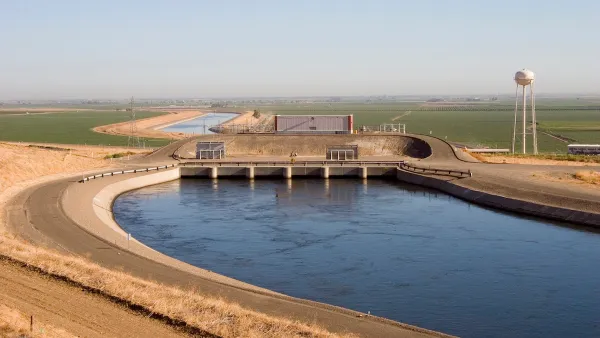
California’s 2024 Drinking Water Needs Assessment Reveals Critical Issues in Public Water Systems
The assessment identifies 385 failing public water systems and highlights significant funding gaps and affordability challenges in ensuring safe drinking water for disadvantaged communities.
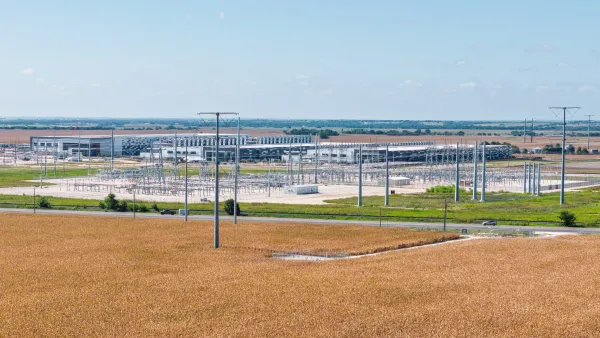
As Texans face soaring electricity costs, a public health crisis looms
Demand for electricity in Texas is surging, largely driven by data centers and other industries, and residential customers are footing the bill.
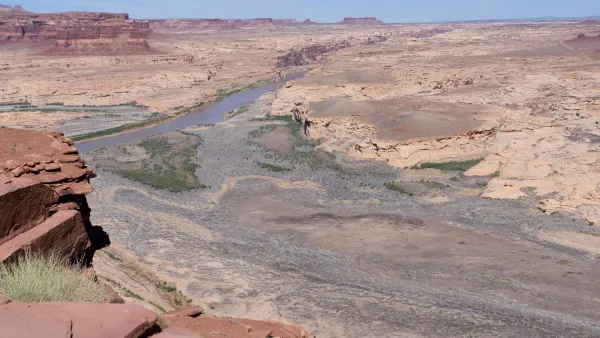
Feds say Arizona, California and Nevada must cut Colorado River water use by 1.25 million acre-feet
The new plan does not apply mandatory cuts to any of the river’s upper basin states.

Planetizen Federal Action Tracker
A weekly monitor of how Trump’s orders and actions are impacting planners and planning in America.

California plans to bury El Niño’s downpour
If the state plays its cards right, it may be able to store a billion acre-feet of El Niño’s water in aquifers.

Chicago breaks ground on $3 billion megadevelopment
The new neighborhood, titled Foundry Park, will one day host 3,700 residences.

California High-Speed Rail Authority CEO resigns after $600,000 scandal
Under Ian Choudri, the authority used taxpayer dollars to fund first class flights and trips to nightclubs.

Want to study the Missouri River? Soon, you may need unanimous approval from 10 states
Legislation would require 10 governors’ permission to study or build projects moving water outside the basin.

Desperate measures: Advocates weigh draining Lake Powell to fill Colorado River
Draining the reservoir could reduce evaporation losses by a couple hundred thousand acre-feet.

FREE Course: Walkable City 1: Why Walkability?
After describing his path towards focusing on walkability as the essence of good planning, Jeff Speck marches through his five principal reasons for making more walkable places.
Reinventing Malls: Planning Alchemy—Turning Gray Fields Into Gold
The course focuses on the opportunities and imperatives that shape reinvention of mall sites.

City of Rosemead
Rutgers University, Edward J. Bloustein School of Planning and Public Policy
One Hundred Miles
Hunter College, City University of New York (CUNY)
The Architects Foundation
University of Cincinnati Online
City of Cambridge
Montrose County
The Pocatello Development Authority