New York Governor Andrew Cuomo's plan to expedite natural oil gas drilling, or fracking, is too risky to rush. Even with environmental regulations in place, writes Eric Goldstein, there are too many "unresolved substantive issues" to resolve.


"Take, for example, the proposed provisions for safeguarding the unfiltered drinking water supplies of New York City and Syracuse from the dangers of fracking. The proposal wisely places the forested watersheds of these two drinking water systems off-limits to well-pad development, correctly calculating that the economic and environmental risks to these unfiltered systems is simply too great.
But rather than fully safeguard these systems, which supply water to more than half the state's populations (including all of New York City), the proposal leaves gaping holes in the rules' protective blanket.
A case in point, highlighted at recent City Council hearings by Environmental Protection Committee chairman James Gennaro, is the stunning lack of protection for the aqueducts and tunnels that carry water from the reservoirs to our homes and apartments."
Read the full story: On Fracking, the Cuomo Administration Must Slow Down
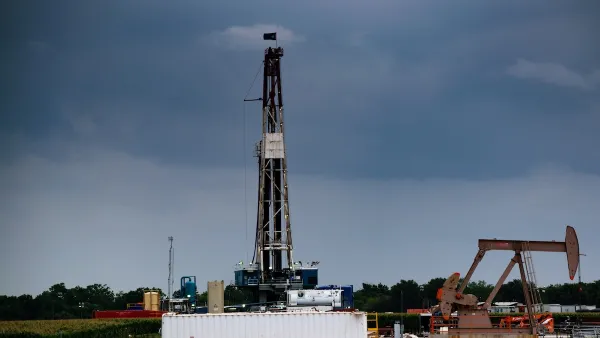
Texas Earthquakes Linked to Fracking
A new study reveals earthquakes that began at shallower depths than previously thought are associated with wastewater disposal sites from fracking operations.
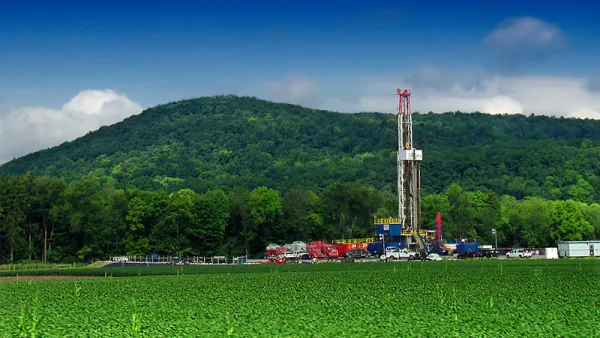
The Effort to Plug Pennsylvania’s Abandoned Oil Wells
Hundreds of thousands of defunct oil wells litter the state, leaking dangerous substances and often hidden under parking lots, buildings, or covered over by vegetation.

New Oil and Gas Drilling in California May Be Subject to Moratorium
Gov. Gavin Newsom pleased environmentalists by doing what his predecessor, Gov. Jerry Brown, refused – halting all new oil and gas fracking and placing a moratorium on another extraction method linked to a massive oil spill in Kern County.

Eastern Nebraska is running out of electricity
Data centers and electrification are straining eastern Nebraska’s grid, throttling economic development.

Move over, LA: St. Louis gears up for Olympics, invests millions in downtown redevelopment
The Missouri city will host the 2028 Olympic soccer group stage and knockout matches.

California High-Speed Rail Authority picks trainset manufacturer
The California High-Speed Rail Authority aims to start servicing passengers by 2033.

NYC renovations for dangerous, ‘mercilessly crammed’ street delayed until 2027
Construction was supposed to begin this fall.

San Diego’s Midway Rising project gets greenlight from city council
The project looks to become the largest affordable housing development in California's history.

Bill to overhaul energy permitting clears Senate
The Bipartisan American Affordability and Jobs Act of 2026 still needs to pass the House of Representatives.

FREE Course: Walkable City 1: Why Walkability?
After describing his path towards focusing on walkability as the essence of good planning, Jeff Speck marches through his five principal reasons for making more walkable places.
Reinventing Malls: Planning Alchemy—Turning Gray Fields Into Gold
The course focuses on the opportunities and imperatives that shape reinvention of mall sites.

City of Rosemead
Rutgers University, Edward J. Bloustein School of Planning and Public Policy
One Hundred Miles
University of Michigan School for Environment and Sustainability (SEAS)
Hunter College, City University of New York (CUNY)
The Architects Foundation
City of Cambridge
The Pocatello Development Authority
The Urban Renewal Agency of the City of Pocatello