Los Angeles, Cincinnati and San Francisco are tackling major urban problems quickly and effectively. This post argues that Seattle can learn much from these efforts.


As Seattle battles over whether to build a new waterfront tunnel, this post argues that it can learn a lot from three problem-solving cities.
"Is this extreme? Is this harmless? Is Seattle fiddling while its economy and its competitiveness burn? Is there any way to get the important issues (funding highway and transit improvements, job growth for non-tech sectors, re-financing the University of Washington, unfunded liabilities, the impasse over taxes) back in the foreground?
Impossible, you say? Well, consider the tales from three cities and how they are pulling together for impressive action on some big problems. In each case the resources mobilized and the broad political bases are commensurate with solving big challenges. These examples, in turn, may be harbingers of the kind of swing back toward concerted political power that could be heading for this region if the pendulum swings back sharply from the stalemated, insurgency years of Mayor Mike McGinn."
Read the full story: How three cities are solving big problems

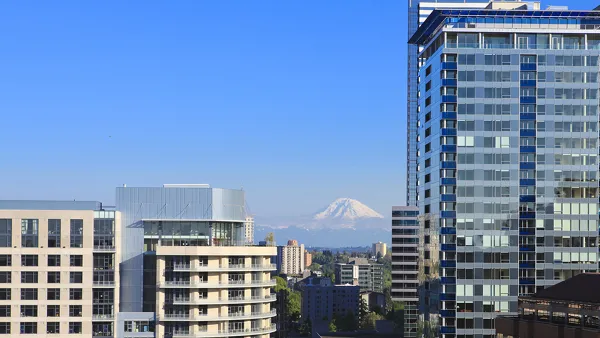
2020 Population Growth Rates for the 50 Biggest U.S. Cities
The Census Bureau released new data on May 27 that includes the first four months of the pandemic. Seattle tops the growth rate at 2.2% from July 1, 2019, to July 1, 2020, while Baltimore and San Francisco land at the bottom with -1.4%.
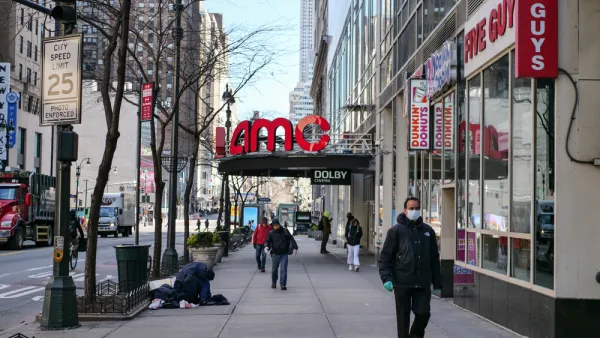
Late Action, Local Opposition Frustrate Emergency Homeless Shelter Plans
Some progress, but not nearly enough, has been reported as California and its cities scramble to procure temporary shelters to house homeless people during the pandemic.
Where Millennials are Moving To and Leaving From
Apartment List has published research showing the top destination cities for those 19 to 35 years of age based on ten years of census data from 2005-2010. Among the top 10 destinations, only three were on East and West coasts.

Planetizen Federal Action Tracker
A weekly monitor of how Trump’s orders and actions are impacting planners and planning in America.

California plans to bury El Niño’s downpour
If the state plays its cards right, it may be able to store a billion acre-feet of El Niño’s water in aquifers.

Desperate measures: Advocates weigh draining Lake Powell to fill Colorado River
Draining the reservoir could reduce evaporation losses by a couple hundred thousand acre-feet.

Non-stop party: Chicago voters weigh permanent festival grounds
A stable place for bleachers, stages and drainage may streamline the setup and teardown of large events.

Metra may invest $9.1 billion in regional rail
The agency released a draft of a study examining potential ways to offer more frequent train service.

California city breaks ground on transit connector
The project includes three mobility hubs and a pedestrian bridge.

FREE Course: Walkable City 1: Why Walkability?
After describing his path towards focusing on walkability as the essence of good planning, Jeff Speck marches through his five principal reasons for making more walkable places.
Reinventing Malls: Planning Alchemy—Turning Gray Fields Into Gold
The course focuses on the opportunities and imperatives that shape reinvention of mall sites.

City of Rosemead
Rutgers University, Edward J. Bloustein School of Planning and Public Policy
One Hundred Miles
Hunter College, City University of New York (CUNY)
The Architects Foundation
University of Cincinnati Online
City of Cambridge
Montrose County
The Pocatello Development Authority