Immigrant populations can be valuable assets to communities. This post from The Atlantic looks at how different countries' openness to immigrants benefits their economic development.


In this analysis, Richard Florida finds that nations that are more friendly to immigrants have better economic competitiveness.
"Immigrants are, in fact, key to economic growth and development, especially in our high-tech industries. Immigrants "have started 52% of Silicon Valley's technology companies and contributed to more than 25% of our global patents, according to Vivek Wadhwa, who has extensively studied the subject. "They make up 24% of the U.S. science and engineering workforce holding bachelor's degrees and 47% of science and engineering workers who have Ph.Ds." This is what venture capitalist John Doerr was talking about when he told an interviewer at the Web 2.0 Summit that America should "staple a green card to the diploma" of any immigrant who gets a degree in engineering."
Read the full story: The Melting Pot That Isn't: Why America Needs Better Immigration
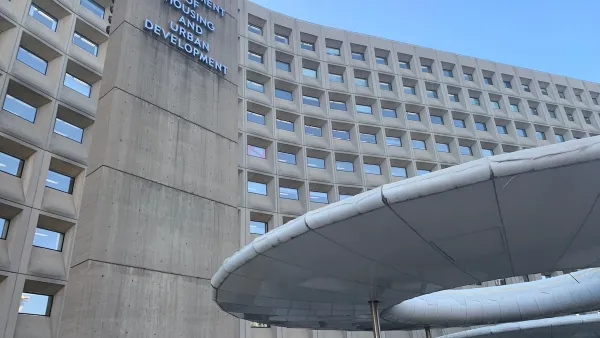
HUD to end aid for mixed-immigration-status households
The new rule is projected to impact 80,000 people, nearly half of whom are children.
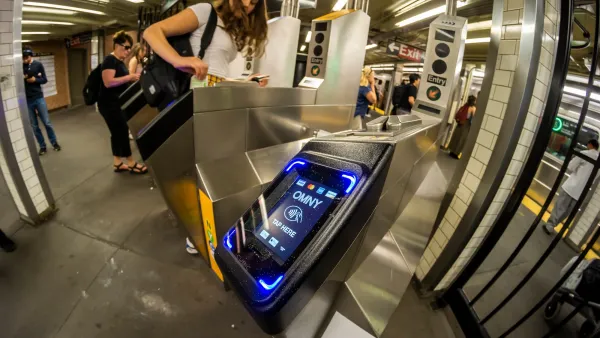
Popular transit payment system linked to Palantir could give ICE access to rider data
The tap-to-pay system is being used widely in transit systems including New York City, Boston and Chicago.

World Cup renews community spirit in LA's MacArthur Park
Soccer watch parties are bringing life back to the park that was recently the target of immigration raids and police actions.

Washington state to charge fee to drivers with fuel-efficient cars
Revenue from the fee will go towards supporting the state’s highways.

Illinois considers spending $1 billion in taxpayer money on data center
A quantum computing campus and data center are currently under construction in Chicago.

Trump to blast ‘hydrocarbon highway’ through ‘world’s longest art gallery’
Environmental and historic preservation groups are suing to stop the project.

NYC, state sue feds over mixed-immigration-status housing assistance rule
The state’s lawsuit argues that the rule change violates the Administrative Procedure Act.

Michigan to turn neighborhood into virtual power plant
Residents will soon be able to divert their excess energy to the grid in exchange for compensation.

Data center, mining project swarm to long-awaited Alaska railroad line
The state-owned railroad approved final plans for the spur line this week; the project is expected to cost $311 million, mostly funded by the federal government

FREE Course: Walkable City 1: Why Walkability?
After describing his path towards focusing on walkability as the essence of good planning, Jeff Speck marches through his five principal reasons for making more walkable places.
Reinventing Malls: Planning Alchemy—Turning Gray Fields Into Gold
The course focuses on the opportunities and imperatives that shape reinvention of mall sites.

City of Charlotte
City of Rosemead
Rutgers University, Edward J. Bloustein School of Planning and Public Policy
University of Michigan School for Environment and Sustainability (SEAS)
Hunter College, City University of New York (CUNY)
The Architects Foundation
University District Partnership