Development, or no development? Nathan Norris writes that untouched landscapes always rate highly in comparison to development proposals, so it is important to use visual tools that can help quantify the tradeoff and find ways to compensate.


The tradeoff from suburban, auto-oriented living to denser, urban-style life is one example cited by Norris of the need to explain the compensation that will balance out the loss:
"For example, in my town many people would claim that downtown has more noise and artificial light, less convenient access to nature, a greater threat of crime, and less convenient parking for guests. To compensate for these perceived inconveniences, the city offers more convenient access to jobs and entertainment options while providing a more vibrant environment. Are downtown residents in your community adequately compensated?"
Smaller yards and smaller homes also have payoffs that balance the losses, explains Norris.
Thanks to Hazel Borys
Read the full story: Gettin' Paid: Placemaking and the Importance of Compensation

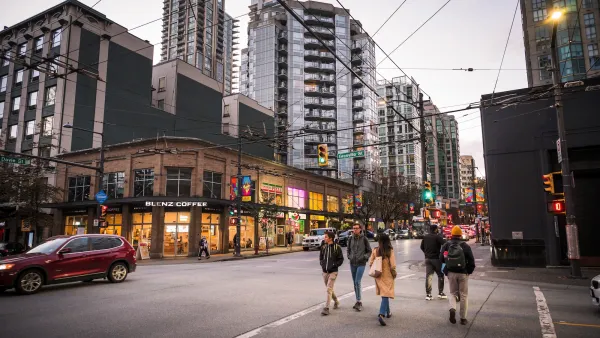
To upzone or not to upzone? Two views on the housing crisis
Allowing more density can increase the housing supply, but does the attendant rise in land prices cancel out the benefits?
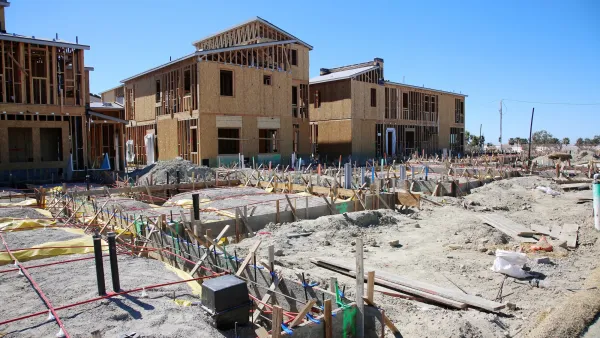
Less than 6% of California cities are building enough housing for very low-income households
Only five jurisdictions are on track to meet their housing goals for all income brackets.
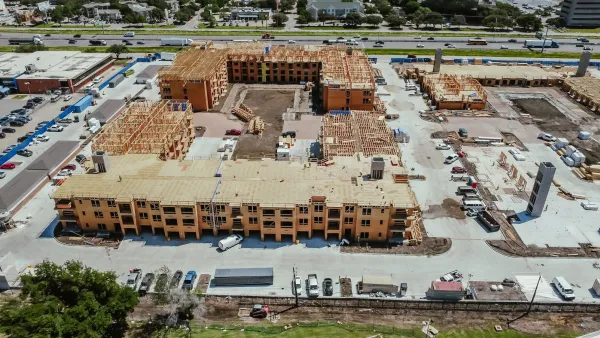
Controversial Texas housing law has 'directly facilitated' over 1,250 new homes
SB 840 allows developers to build multifamily housing by-right on lots zoned for commercial use without applying to a zoning change.

Planetizen Federal Action Tracker
A weekly monitor of how Trump’s orders and actions are impacting planners and planning in America.

The state-sanctioned urbicide of Austin
People don’t kill cities. Freeways do.

Colorado’s Largest Data Center Could Rise Next to Homes — Without a Public Hearing
The proposed campus would consume 11 times the power of Denver International Airport; as it has across the country, opposition mounts.

Nation's most wind-powered state turns to coal as data centers increase energy demand
For the first time in decades, Iowa has increased its generation of coal power.

NYC cools commuters with city's first rain garden above a bus stop
New York City officials say the plants in the rain garden can absorb 16 gallons of rainwater during heavy storms.

Brightline West’s future may rely on $6 billion federal loan
The company has until Nov. 2 to make a $400 million equity investment into its proposed high-speed rail line.

FREE Course: Walkable City 1: Why Walkability?
After describing his path towards focusing on walkability as the essence of good planning, Jeff Speck marches through his five principal reasons for making more walkable places.
Reinventing Malls: Planning Alchemy—Turning Gray Fields Into Gold
The course focuses on the opportunities and imperatives that shape reinvention of mall sites.

Greater Baltimore Committee
Eagle County Government
Harvard University Graduate School of Design
The Architects Foundation
University of Cincinnati Online
The Pocatello Development Authority
The Urban Renewal Agency of the City of Pocatello
Journal of the American Planning Association