Over the past ten years, the city of New Orleans has lost nearly a third of its population, according to data from the U.S. Census Bureau.


Much of that loss is due to the devastation following Hurricane Katrina in 2005.
"Census workers counted 343,829 residents in New Orleans last year, down from 485,000 in 2000, or a 29% drop, according to the data. The count was slightly lower than previous estimates of 355,000.
The city has struggled to repopulate since Hurricane Katrina and a breach of federal levees flooded 80% of the city in 2005, scattering much of its citizenry. Just before the storm, there were about 455,000 people living in New Orleans, according to Census figures."
Read the full story: Census: A third of New Orleans population lost in past decade

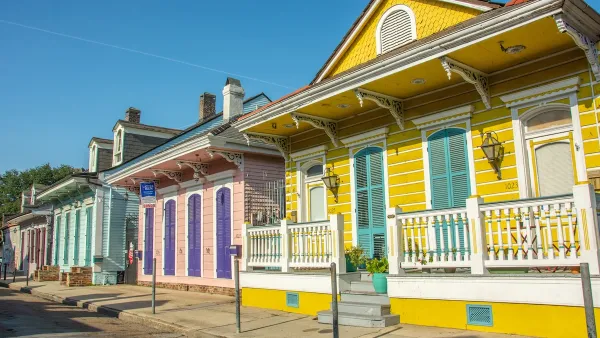
20 Years After Katrina, New Orleans is More Unaffordable Than Ever
The city’s post-hurricane redevelopment has failed to include its most vulnerable residents.
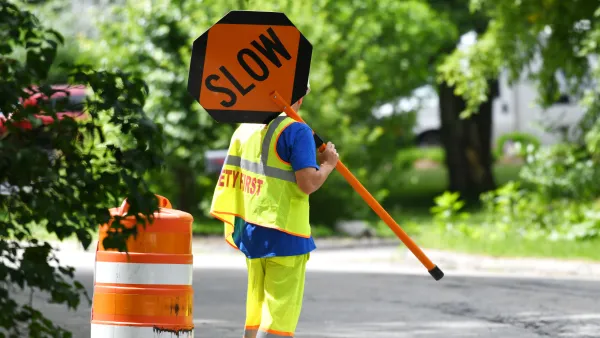
New Orleans Faces $1 Billion Shortfall for FEMA-Funded Roadwork
After years of delays, cost overruns, and deadline extensions on a FEMA-funded street repair program, New Orleans officials face a massive funding shortfall and accusations of mismanagement.
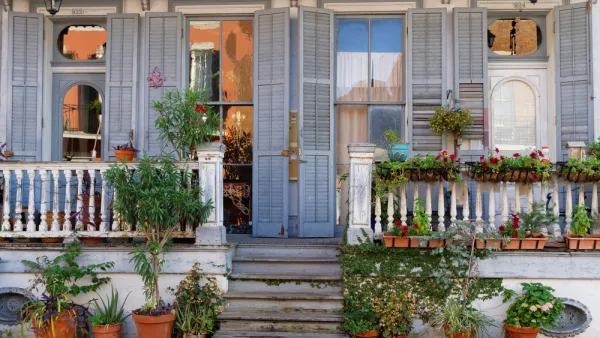
Post-Katrina Programs a Blueprint for Housing the Working Class
The housing initiatives developed after Hurricane Katrina teach valuable lessons for post-pandemic affordable housing production.

Planetizen Federal Action Tracker
A weekly monitor of how Trump’s orders and actions are impacting planners and planning in America.

Amtrak, CN end decades-long dispute with eight-year agreement
The new operating agreement establishes an updated framework for the companies to work together, including processes to resolve disputes.

Judges permit Denver to divert 77,000 acre feet from the Colorado River for reservoir expansion
Overuse and climate change have caused the Colorado River’s water levels to plummet.

Idaho may see an 18% drop in federal surface transit funding — the largest estimated cut in the US
Transit systems in rural communities are much more reliant on federal funding to provide their services.

How ‘post-disaster gentrification’ alters neighborhoods after natural calamities
After hurricanes, fires or other calamities, the original residents of a community are often replaced by younger, wealthier residents.

Maryland local governments examine if they should have more power to raise property taxes
Maryland’s housing market is out of reach for the majority of moderate-income residents.

FREE Course: Walkable City 1: Why Walkability?
After describing his path towards focusing on walkability as the essence of good planning, Jeff Speck marches through his five principal reasons for making more walkable places.
Reinventing Malls: Planning Alchemy—Turning Gray Fields Into Gold
The course focuses on the opportunities and imperatives that shape reinvention of mall sites.

Harvard University Graduate School of Design
KFH Group Inc.
Greater Baltimore Committee
The Architects Foundation
University of Cincinnati Online
The Pocatello Development Authority
The Urban Renewal Agency of the City of Pocatello