Hurricane Katrina damaged a Catholic convent in New Orleans. Then the nuns spearheaded a project to transform the land into a wetland area that will protect the city from flooding in the future.


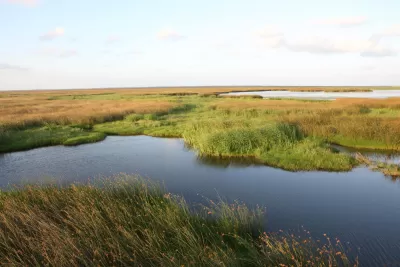
"In New Orleans, nuns are shepherding a former Catholic convent that was badly damaged in Hurricane Katrina towards becoming a 25-acre urban wetland, one of the largest in the United States," reports Alex Fox.
The $30 million Mirabeau Water Garden project will have the capacity to absorb almost 10 million gallons of stormwater runoff, writes Fox. "The water will still trickle down into the city’s old drainage system, but filtering through the wetland will mete out the water from even the largest deluges more gradually, preventing storm drains from becoming overwhelmed."
The Sisters of St. Joseph decided not to rebuild after Hurricane Katrina and wanted to see the land used in a way that addressed the threat of climate change.
"The nuns commissioned a design firm to create a water management project aimed at fostering environmental, educational and spiritual well-being, and leased it to the city of New Orleans for $1 on the condition that the property be used to preserve and protect the environment, enhance local quality of life and reduce flood risk," says Fox.
FULL STORY: Nuns are turning a convent into a wetland to fight flooding in New Orleans

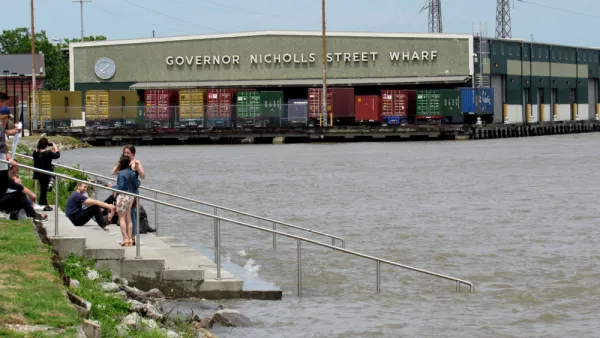
Permeable Pavements Required for Parking, Sidewalks in New Orleans
New Orleans is looking for new ways to mitigate the effects of stormwater that regularly floods the city.
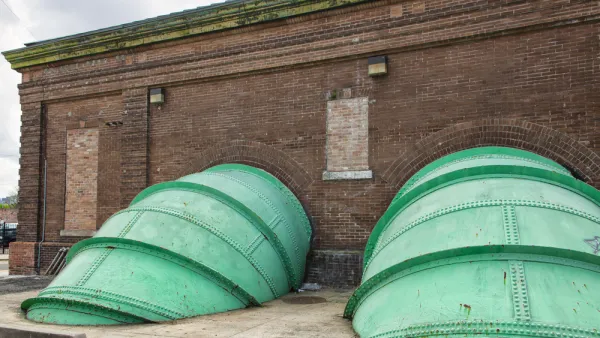
Hurricane Nate to Test New Orlean's Drainage System
Nate will make landfall southeast of New Orleans on Saturday night as possibly a category 2 hurricane after leaving at least 22 dead in Central America. It's not so much the levees but the pumps and generators that have city officials worried.
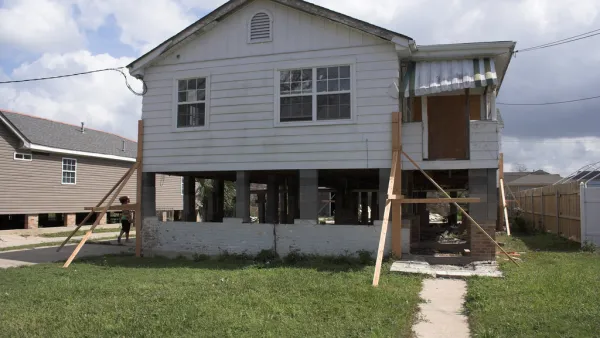
Louisiana Dials Back Requirements for Elevating Homes in Flood Areas
Housing market pressures, flood insurance costs, changing FEMA maps, and improved methods of flood control are giving victims of flood damage in Louisiana mixed signals on how high they should rebuild their homes.

Planetizen Federal Action Tracker
A weekly monitor of how Trump’s orders and actions are impacting planners and planning in America.

The state-sanctioned urbicide of Austin
People don’t kill cities. Freeways do.

US to reduce Colorado River water deliveries to Mexico
A new Colorado Treaty amendment reduces Mexico’s Colorado River water allocation by 250,000 acre feet.

5 New England states march closer to 800 megawatt wind energy project
Securing federal approval for the project may be complicated under the Trump administration, which has historically been hostile towards domestic wind power.

Baltimore to break ground on $50 million Transit Priority Project
The project will bring faster bus trips, safer streets and better bike connections to Baltimore.

Airbnb launches $250 million 'last-dollar financing' housing accelerator, makes first investment in Austin
The company will put $6.4 million towards affordable housing development in Texas’ capital.

FREE Course: Walkable City 1: Why Walkability?
After describing his path towards focusing on walkability as the essence of good planning, Jeff Speck marches through his five principal reasons for making more walkable places.
Reinventing Malls: Planning Alchemy—Turning Gray Fields Into Gold
The course focuses on the opportunities and imperatives that shape reinvention of mall sites.

Eagle County Government
Harvard University Graduate School of Design
Nashville Planning Department
The Architects Foundation
University of Cincinnati Online
The Pocatello Development Authority
The Urban Renewal Agency of the City of Pocatello
Journal of the American Planning Association