In crowded New York City, finding a final resting place in one of the city's cemeteries is becoming increasingly difficult and expensive. Other major cities are facing the same crunch.


"[I]n the parts of town where a burial plot is still available, the cost has in some cases more than tripled in less than a decade; aboveground mausoleums can fetch upward of $3 million. Cemeteries are scrambling to create more space, and as plot prices have soared, the number of cremations has also risen, with a quarter of New Yorkers choosing the less expensive alternative.
Trinity Church Cemetery in Washington Heights, the last operating graveyard in Manhattan, has stopped selling plots, offering burial only in the most "extraordinary circumstances," or to people with long-held reservations."
Demand for burials plots remains high despite a growing number of people opting for cremation. Cemeteries in New York and other cities are looking at new ways to offer space up to those who still want their bodies six feet under.
FULL STORY: City Cemeteries Face Gridlock

The Effects of the Background Noise of City Life
Urban sounds can have an effect on people -- both physically and mentally. This sonic tour through New York City examines how sounds affect urbanites.
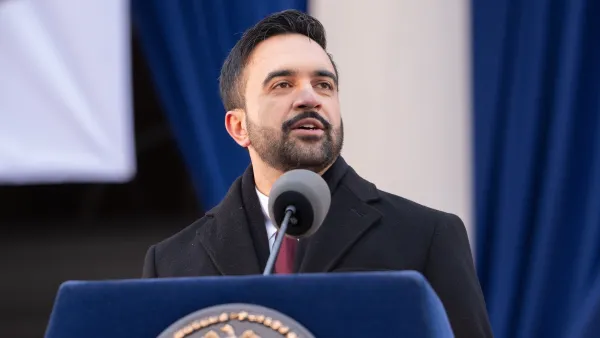
Mamdani overhauls NYC's Vision Zero plan with 100 new policy goals
The overhaul aims to reduce traffic deaths and make streets safer for pedestrians, cyclists and drivers through lower speed limits, new safety infrastructure and more.
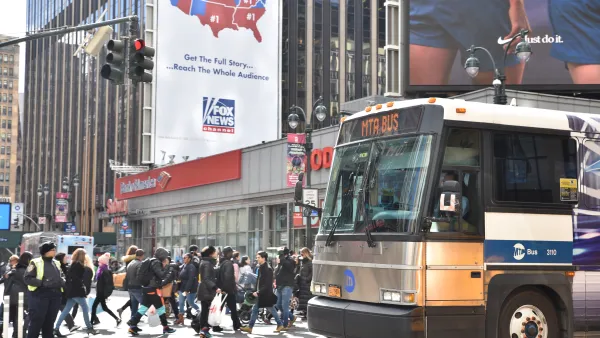
MTA to purchase biggest fleet upgrade in over a decade
The new buses will use a greener alternative to diesel fuel, and aim to improve fleet reliability and air quality.

Planetizen Federal Action Tracker
A weekly monitor of how Trump’s orders and actions are impacting planners and planning in America.

The state-sanctioned urbicide of Austin
People don’t kill cities. Freeways do.

US to reduce Colorado River water deliveries to Mexico
A new Colorado Treaty amendment reduces Mexico’s Colorado River water allocation by 250,000 acre feet.

5 New England states march closer to 800 megawatt wind energy project
Securing federal approval for the project may be complicated under the Trump administration, which has historically been hostile towards domestic wind power.

Baltimore to break ground on $50 million Transit Priority Project
The project will bring faster bus trips, safer streets and better bike connections to Baltimore.

Airbnb launches $250 million 'last-dollar financing' housing accelerator, makes first investment in Austin
The company will put $6.4 million towards affordable housing development in Texas’ capital.

FREE Course: Walkable City 1: Why Walkability?
After describing his path towards focusing on walkability as the essence of good planning, Jeff Speck marches through his five principal reasons for making more walkable places.
Reinventing Malls: Planning Alchemy—Turning Gray Fields Into Gold
The course focuses on the opportunities and imperatives that shape reinvention of mall sites.

Eagle County Government
Harvard University Graduate School of Design
Nashville Planning Department
The Architects Foundation
University of Cincinnati Online
The Pocatello Development Authority
The Urban Renewal Agency of the City of Pocatello
Journal of the American Planning Association