The New York Times calculates the cost difference between living in a single family house versus an apartment in the New York area.


The calculations were meant to mimic the sort of economic decision many in the region face as families grow and space gets tight.
"[W]e set out to do the math, based on an apartment and a house in the New York metropolitan area. Here's what we found: a suburban lifestyle costs about 18 percent more than living in the city. Even a house in the suburbs with a price tag substantially lower than an urban apartment will, on a monthly basis, often cost more to keep running. And then there's the higher cost of commuting from the suburbs, or the expense of buying a car (or two) and paying the insurance.
But the one big caveat in all the calculations is private schooling. If the city dwellers decide to send their children to private school - say when their children hit middle-school age - that expense would instantly make the suburbs a bargain."
FULL STORY: High-Rise, or House With Yard?

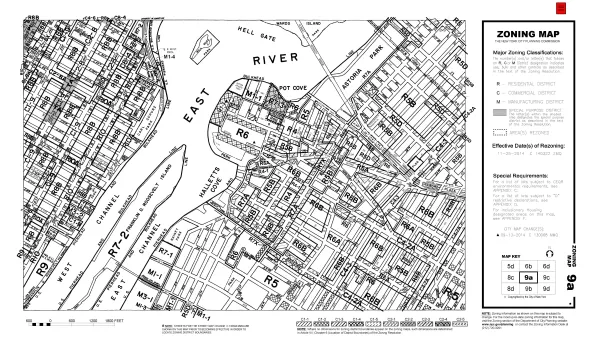
Zoning's Role in Segregation
An editorial in the New York Times argues that exclusionary zoning reinforces segregation and must be curbed.
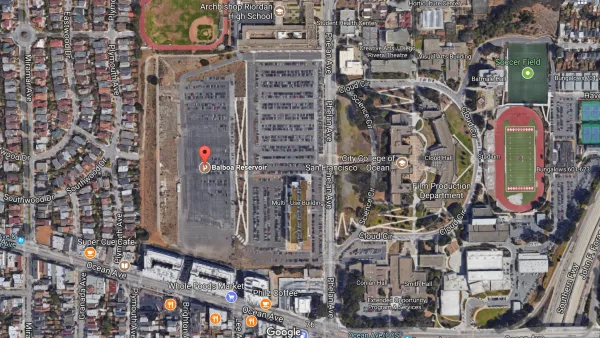
Density Debate Fills San Francisco's Balboa Reservoir
Developers, neighbors, and housing advocates are debating the fate of the Balboa Reservoir. Their visions for how many units should be built there range from 680 to 1,245.
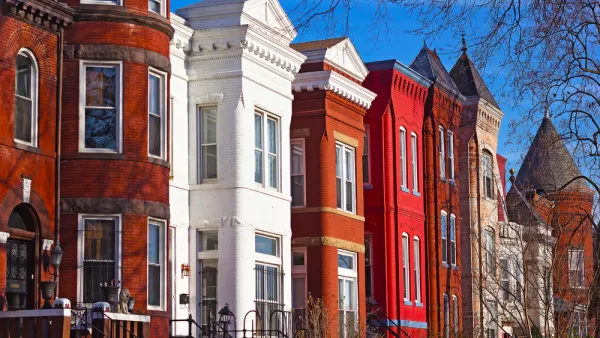
Family-Unfriendly Housing in Washington D.C.
As new construction favors single occupants and childless professionals, the capital's housing stock is increasingly boxing out families.

Planetizen Federal Action Tracker
A weekly monitor of how Trump’s orders and actions are impacting planners and planning in America.

The state-sanctioned urbicide of Austin
People don’t kill cities. Freeways do.

US to reduce Colorado River water deliveries to Mexico
A new Colorado Treaty amendment reduces Mexico’s Colorado River water allocation by 250,000 acre feet.

5 New England states march closer to 800 megawatt wind energy project
Securing federal approval for the project may be complicated under the Trump administration, which has historically been hostile towards domestic wind power.

Baltimore to break ground on $50 million Transit Priority Project
The project will bring faster bus trips, safer streets and better bike connections to Baltimore.

Airbnb launches $250 million 'last-dollar financing' housing accelerator, makes first investment in Austin
The company will put $6.4 million towards affordable housing development in Texas’ capital.

FREE Course: Walkable City 1: Why Walkability?
After describing his path towards focusing on walkability as the essence of good planning, Jeff Speck marches through his five principal reasons for making more walkable places.
Reinventing Malls: Planning Alchemy—Turning Gray Fields Into Gold
The course focuses on the opportunities and imperatives that shape reinvention of mall sites.

Eagle County Government
Harvard University Graduate School of Design
Nashville Planning Department
The Architects Foundation
University of Cincinnati Online
The Pocatello Development Authority
The Urban Renewal Agency of the City of Pocatello
Journal of the American Planning Association