Worldchanging takes a look at a new report that plots out a plan to create a carbon-neutral United Kingdom by 2030.


The report is zerocarbonbritain2030 (ZCB2030), from Centre for Alternative Technology. Though the report highlight possible ways forward, it leaves out consideration of many urban issues like planning and infrastructure.
"ZCB2030 is a well-researched, well-written, and well-designed report on a set of possible pathways to a zero carbon Britain by 2030 (The goal, though bold, is not unique: Alex Steffen called for a very similar position for Seattle, a target which the Seattle City Council has included in their legislative priorities this year; and a variety of other nations and cities are approaching the same target, from Copenhagen to New Zealand). In 384 pages, CAT presents a comprehensive look at the kind of systemic changes needed to achieve dramatic emissions reduction in just 20 years in such areas as farming, energy generation, building codes, transportation planning, and economic frameworks. This report truly addresses the scope, scale and speed of the climate crisis and the solutions needed to create a bright green future."
Read the full story: A New, Bold Plan for a Carbon-Neutral UK by 2030
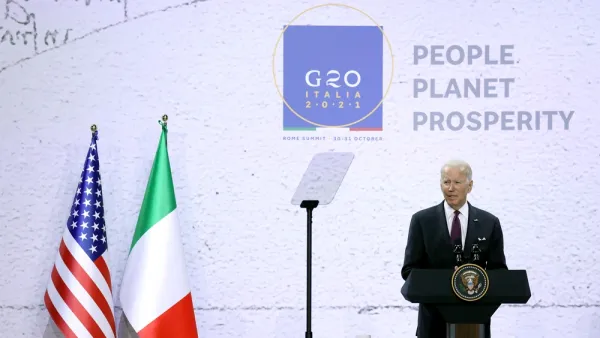
Biden Commits Federal Government to Carbon Neutrality
President Biden signed an executive order on Wednesday that aims to cut 65 percent of the government's carbon emissions by the end of this decade and reach carbon neutrality by 2050.
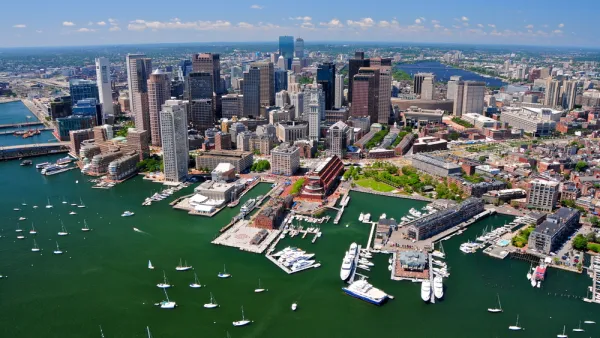
Big Boston Buildings Must Be Carbon Neutral by 2050
The Boston City Council approved a new ordinance would eliminate emissions from the 4 percent of the buildings responsible for 60 percent of the city's building emissions.
A Carbon-Neutral City?
A region known more for carbon emissions strives to create a carbon-neutral city powered by renewable energy and designed to reduce overall energy demand.

Desperate measures: Advocates weigh draining Lake Powell to fill Colorado River
Draining the reservoir could reduce evaporation losses by a couple hundred thousand acre-feet.

Eastern Nebraska is running out of electricity
Data centers and electrification are straining eastern Nebraska’s grid, throttling economic development.

Malls are becoming the midtowns of the future
Mall and office park redevelopments are a generational opportunity to create new nodes of urbanity.

NYC breaks ground on anti-flooding infrastructure project
New York City's new system will reduce stormwater flows to local sewers by 90%.

One Kentucky town’s secret to affordable housing
The Smoketown Community Land Trust has already built seven affordable homes for community members.

Houston gains petal-shaped cooling infrastructure to make streets more ‘delightful’
The city has installed the pavilions along 15 blocks in Houston.

FREE Course: Walkable City 1: Why Walkability?
After describing his path towards focusing on walkability as the essence of good planning, Jeff Speck marches through his five principal reasons for making more walkable places.
Reinventing Malls: Planning Alchemy—Turning Gray Fields Into Gold
The course focuses on the opportunities and imperatives that shape reinvention of mall sites.

City of Rosemead
Rutgers University, Edward J. Bloustein School of Planning and Public Policy
One Hundred Miles
University of Michigan School for Environment and Sustainability (SEAS)
Hunter College, City University of New York (CUNY)
The Architects Foundation
City of Cambridge
Montrose County
The Pocatello Development Authority