A recent proposal by Britain's Conservative Party to create a system of conservation credits to protect biodiversity should be expanded to a global scale, according to this piece from The Guardian.


"As the Conservative party put it in their election manifesto, they pledged to "pioneer a new system of conservation credits to protect habitats". If the detail of this idea is successfully rendered, this could transform the way we value the natural world and finance its protection. Caroline Spelman, the new ecretary of tate for environment, food and ural affairs, should have the policy at the top of her in-tray.
Under the scheme proposed in the manifesto, any property development that results in biodiversity loss must compensate for that loss by an equal investment in biodiversity and habitat conservation or restoration elsewhere. That's a good start, but if such things can be successfully priced, and if investment is at a significant scale, then conservation credits should be made available in many other parts of the global economy as well."
Such a system, argues writer Ben Caldecott, could force companies and land developers to offset their exploitation and disruption of natural resources through a credit system similar to carbon trading.
FULL STORY: We have an international market for carbon, why not one for conservation?

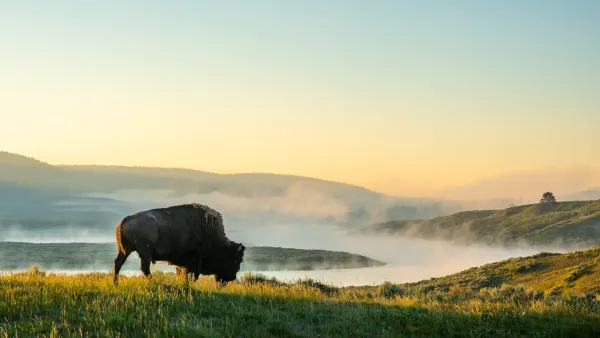
Trump administration orders the removal of 900 bison from public land near Yellowstone
The action marks a drastic shift in wildlife management policy for the Yellowstone-adjacent bison herd.
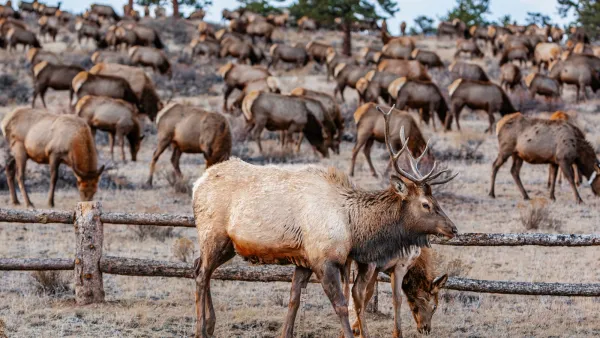
Colorado oil and gas land lease on public land could imperil nation's largest elk herd
The federal government approved the largest land lease to oil and gas interests in Colorado history.

Colorado creates wildlife crossings fund
Residents will have the option to add $5 to their car registration to fund infrastructure that prevents wildlife-vehicle collisions.

Planetizen Federal Action Tracker
A weekly monitor of how Trump’s orders and actions are impacting planners and planning in America.

The state-sanctioned urbicide of Austin
People don’t kill cities. Freeways do.

US to reduce Colorado River water deliveries to Mexico
A new Colorado Treaty amendment reduces Mexico’s Colorado River water allocation by 250,000 acre feet.

5 New England states march closer to 800 megawatt wind energy project
Securing federal approval for the project may be complicated under the Trump administration, which has historically been hostile towards domestic wind power.

Baltimore to break ground on $50 million Transit Priority Project
The project will bring faster bus trips, safer streets and better bike connections to Baltimore.

Airbnb launches $250 million 'last-dollar financing' housing accelerator, makes first investment in Austin
The company will put $6.4 million towards affordable housing development in Texas’ capital.

FREE Course: Walkable City 1: Why Walkability?
After describing his path towards focusing on walkability as the essence of good planning, Jeff Speck marches through his five principal reasons for making more walkable places.
Reinventing Malls: Planning Alchemy—Turning Gray Fields Into Gold
The course focuses on the opportunities and imperatives that shape reinvention of mall sites.

Eagle County Government
Harvard University Graduate School of Design
Nashville Planning Department
The Architects Foundation
University of Cincinnati Online
The Pocatello Development Authority
The Urban Renewal Agency of the City of Pocatello
Journal of the American Planning Association