With more than 500 energy-efficient homes with environmentally friendly features are being built in New Orleans. This rise in green building is being called one of the positive legacies of Hurricane Katrina.


In many ways, the devastated city is being used as a tesing ground for green designs and sustainable architecture.
"Green building has traditionally been left to higher-end homes, whose owners can afford the costlier solar panels and other elements, says Forest Bradley-Wright of the New Orleans-based Alliance for Affordable Energy. But as New Orleans began to rebuild, non-profits stepped in with innovative development techniques and eco-friendly plans to rebuild lower-income neighborhoods such as the Lower 9th Ward and Pontchartrain Park, he says."
Read the full story: A legacy of Katrina: Green homes
Is New Building Ever Green?
Chevron is moving its New Orleans offices from downtown to a brand new, "eco-friendly" campus- opening up the discussion of whether new construction is ever greener than staying put.
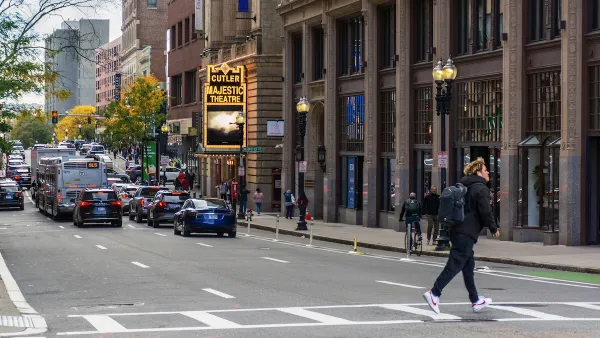
As development costs rise, Boston moves to lessen affordable housing requirements
The Boston Zoning Commission and the City Council still need to approve Boston Mayor Michelle Wu’s proposed changes
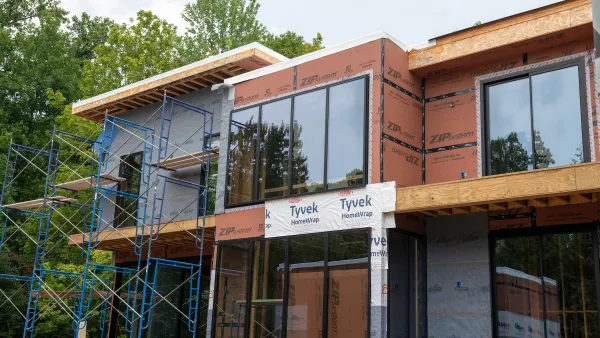
New HUD guidelines call for nixing green building requirements
The newly released 'best practices' advise local governments to streamline permitting processes, cap permitting fees and encourage by-right development of single-family homes.

Planetizen Federal Action Tracker
A weekly monitor of how Trump’s orders and actions are impacting planners and planning in America.

Washington state to charge fee to drivers with fuel-efficient cars
Revenue from the fee will go towards supporting the state’s highways.

Trump to blast ‘hydrocarbon highway’ through ‘world’s longest art gallery’
Environmental and historic preservation groups are suing to stop the project.

Data centers need power – lower income, rural residents pay the price
In 2025, data centers paid only 38% of the energy infrastructure costs linked to their growth, with households, especially rural and low-income residents, bearing the remaining burden.

MBTA Green Line project moved to next phrase of CIG program
The modernization effort will cost $4.08 billion.

22-mile pedestrian and bike path to encircle Atlanta by 2030
The project will also support affordable housing.

FREE Course: Walkable City 1: Why Walkability?
After describing his path towards focusing on walkability as the essence of good planning, Jeff Speck marches through his five principal reasons for making more walkable places.
Reinventing Malls: Planning Alchemy—Turning Gray Fields Into Gold
The course focuses on the opportunities and imperatives that shape reinvention of mall sites.

City of Charlotte
City of Rosemead
Rutgers University, Edward J. Bloustein School of Planning and Public Policy
University of Michigan School for Environment and Sustainability (SEAS)
Hunter College, City University of New York (CUNY)
The Architects Foundation
University District Partnership