New world cities are emerging, and the "first truly urban century" will be shaped by the way increasing wealth is handled in places like Mumbai, Bangalore, Shanghai, Beijing, Sao Paulo and Dubai.


Joel Kotkin discusses the role of these emerging global cities, and why the will be so important to the future of the world.
"The main reason lies in economic fundamentals. Over the past 25 years, per capita income, based on purchasing power parity, grew by over 400% in India and a remarkable 1,500% in China. The bulk of that wealth came from urban centers like Mumbai and Shanghai, while the largest concentrations of poverty remained in the countryside. In that same period, U.S. per capita income grew by 245%; growth in most Western European nations was less than that.
The nascent recovery in the world economy will certainly amplify these trends. China, as opposed to the U.S., is leading the economic resurgence, drawing in commodities from its rising business partners in all continents."
Read the full story: World Capitals Of The Future
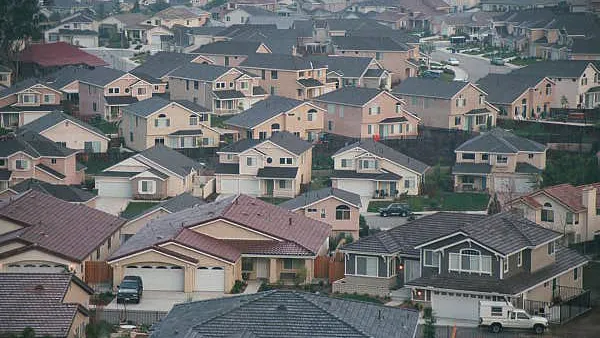
American Suburbia Transplanted to Beijing
Chinese and Indian cities have been quick to welcome housing developments modeled on North American suburbs, including "Orange County" and "Vancouver Forest" in Beijing. This globalized sprawl perpetuates all the ills of our own.
Ironies and Oddities of History's 'Future Cities'
Brady Dale provides a list of quirky trivia (taken from the new book "A History of Future Cities") about the forward-looking creation of four mega-cities: Shanghai, Bombay, St. Petersburg and Dubai.
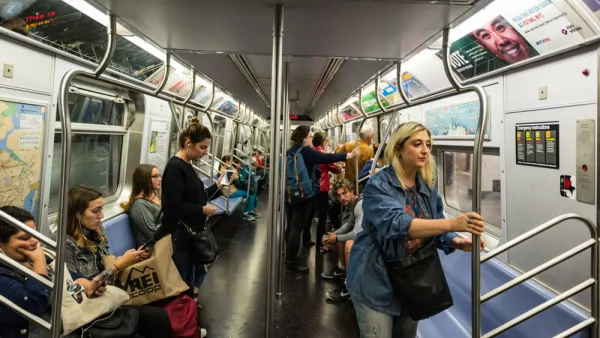
Coronavirus Effects on the Global Transportation System
As the coronavirus continues to move across the globe, its effects on shared transportation modes and freight shipping are becoming more apparent.

Planetizen Federal Action Tracker
A weekly monitor of how Trump’s orders and actions are impacting planners and planning in America.

California plans to bury El Niño’s downpour
If the state plays its cards right, it may be able to store a billion acre-feet of El Niño’s water in aquifers.

Desperate measures: Advocates weigh draining Lake Powell to fill Colorado River
Draining the reservoir could reduce evaporation losses by a couple hundred thousand acre-feet.

Chicago voters approve permanent festival grounds, penalty for vacant property owners
Currently, major summer and fall festivals take over public parks for weeks at a time, drawing criticism from nearby residents

NYC votes to cut outdoor dining red tape, speed up permitting
New York City also voted to allow the Department of Transportation to begin work on urgent projects before notifying elected officials.

California appears to reject Prop. 45
The proposition would have expanded the projects that qualify for a streamlined environmental review, effectively paring down the California Environmental Quality Act.

FREE Course: Walkable City 1: Why Walkability?
After describing his path towards focusing on walkability as the essence of good planning, Jeff Speck marches through his five principal reasons for making more walkable places.
Reinventing Malls: Planning Alchemy—Turning Gray Fields Into Gold
The course focuses on the opportunities and imperatives that shape reinvention of mall sites.

City of Rosemead
Rutgers University, Edward J. Bloustein School of Planning and Public Policy
One Hundred Miles
Hunter College, City University of New York (CUNY)
The Architects Foundation
University of Cincinnati Online
City of Cambridge
Montrose County
The Pocatello Development Authority