The Chicago Architecture Foundation is showing a scale model of the Loop and nearby areas on Michigan Avenue.


"Chicago, often seen as the model of growth for a 20th Century urban industrial megalopolis, now has been reproduced in an enormous model with the help of computers and a new three-dimensional "printing" process called stereolithography.
Beginning this week, a 25- by-35-foot model of the city will be open for viewing, free of charge at the Chicago Architecture Foundation, inspired by similar models in Beijing and Shanghai that show how those cities also have rapidly grown and changed.
The model buildings came from Columbian's workshop. The exhibit is broken down into 400 city blocks, in squares the size of dinner plates carried in food caterer's serving carts. With the buildings already glued in place, the blocks were placed into the exhibit like waiters carefully placing food plates into a buffet table."
Read the full story: A model city: Chicago displayed in miniature

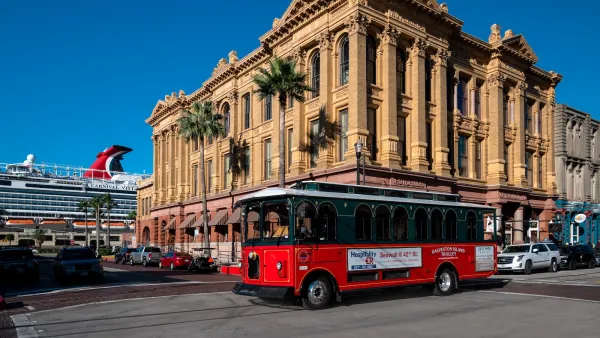
A Historic Texas Beach Town Faces Existential Growth Questions
Galveston, Texas is growing — and so are questions about its land use strategy.
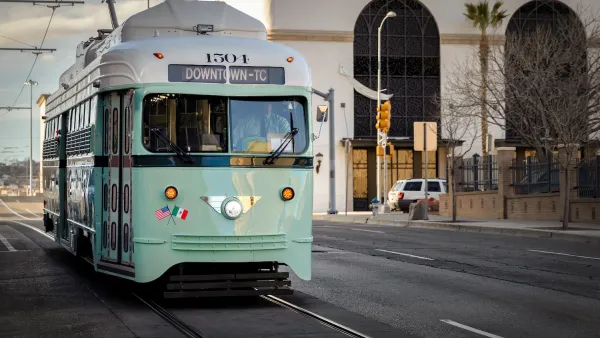
TxDOT Makes ‘Stunning Acknowledgement:’ Texas Needs More Transit
The agency issued a Statewide Multimodal Transit Plan that calls for more public transit options within and between major cities and in rural areas.

Pro-Housing Candidates Sweep Puget Sound Region
Growth advocates won multiple local seats around the Seattle area.

Planetizen Federal Action Tracker
A weekly monitor of how Trump’s orders and actions are impacting planners and planning in America.

The state-sanctioned urbicide of Austin
People don’t kill cities. Freeways do.

Colorado’s Largest Data Center Could Rise Next to Homes — Without a Public Hearing
The proposed campus would consume 11 times the power of Denver International Airport; as it has across the country, opposition mounts.

Amtrak, CN end decades-long dispute with eight-year agreement
The new operating agreement establishes an updated framework for the companies to work together, including processes to resolve disputes.

Raised interest rates may kill financially vulnerable construction projects
The chief economist at ConstructConnect warns that if construction project owners are negatively impacted by the raised rates, it could result in delayed payments to contractors.
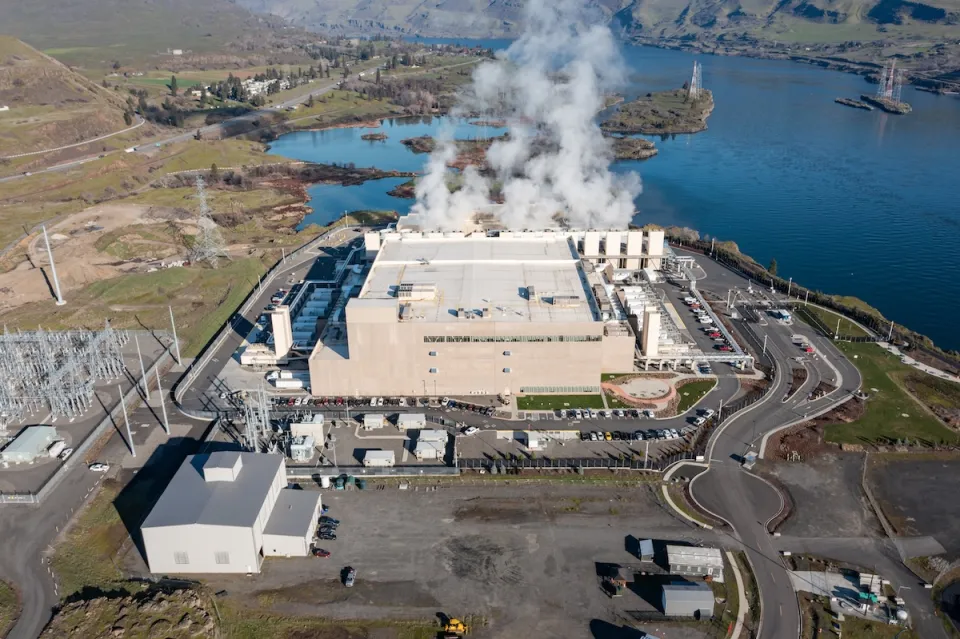
Data centers are consuming nearly 25% of Oregon’s power
The state has 111 data centers, with 32 more either planned or under construction.

FREE Course: Walkable City 1: Why Walkability?
After describing his path towards focusing on walkability as the essence of good planning, Jeff Speck marches through his five principal reasons for making more walkable places.
Reinventing Malls: Planning Alchemy—Turning Gray Fields Into Gold
The course focuses on the opportunities and imperatives that shape reinvention of mall sites.

Greater Baltimore Committee
Eagle County Government
Harvard University Graduate School of Design
The Architects Foundation
University of Cincinnati Online
The Pocatello Development Authority
The Urban Renewal Agency of the City of Pocatello
Journal of the American Planning Association