MIT's SENSEable City Lab is featuring a prototype of a futuristic bus stop, complete with real-time route mapping, e-ink surfaces, and estimates of your exposure to pollutants along the way.


FROM THE PRESS RELEASE:
"At the touch of a finger users can indicate their desired destination; the system will then display the shortest bus route from where they are and the position of all relevant buses real?time. The EyeStop will glow at different levels of intensity to signal the distance of an approaching bus. Riders and passers?by can also post
ads and community announcements to an electronic bulletin board placed on the bus stop, enhancing its functionality as a public space ? a place to gather and exchange community relevant information.
In addition to displaying information, the bus stop also acts as an active environmental sensing node, powering itself through sunlight and collecting real time information about air quality and the urban environment. "EyeStop is an experiment into urban computing: it may be considered an 'info?tape' that snakes through the city, rising up like a pole or cropping out of the sidewalk like a shelter. It senses information about the environment and distributes it in a form accessible to all citizens,"commented project leader Giovanni de
Niederhousern."
Read the full story: EyeStop
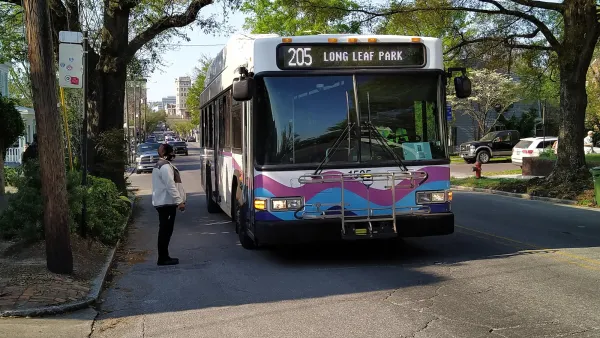
North Carolina removes bus benches installed by Democratic Socialists
NCDOT says the benches, installed without the department's permission, do not meet state standards for safety and accessibility.
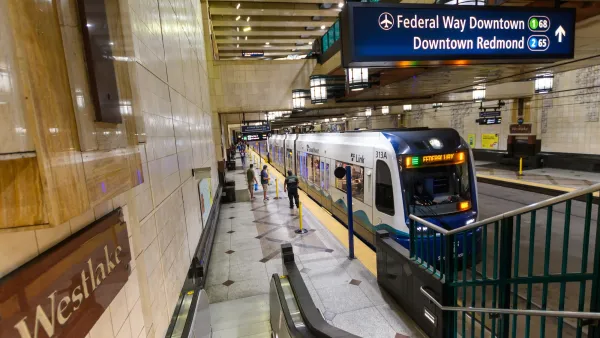
Commentary: Seattle's new transit wayfinding system is 'more confusing than clarifying'
Changes to Sound Transit signage could make it difficult to navigate the region's train system.
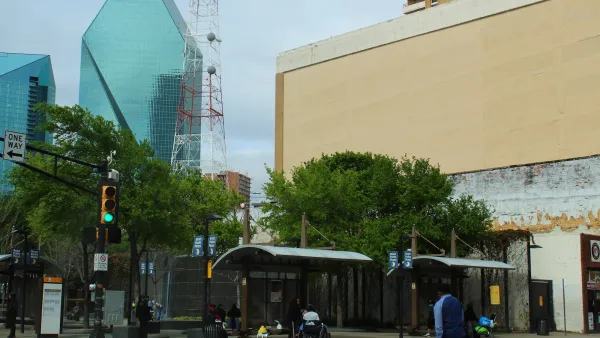
Dallas transit to invest up to $71.5M in upgraded bus shelters
The new shelters will feature solar-powered lighting and materials designed to protect riders from extreme weather.

Planetizen Federal Action Tracker
A weekly monitor of how Trump’s orders and actions are impacting planners and planning in America.

California plans to bury El Niño’s downpour
If the state plays its cards right, it may be able to store a billion acre-feet of El Niño’s water in aquifers.

Desperate measures: Advocates weigh draining Lake Powell to fill Colorado River
Draining the reservoir could reduce evaporation losses by a couple hundred thousand acre-feet.

Bay area voters pass ‘crucial lifeline’ for transit
Proposition RTM, which will fund Bay Area transit, has approval from 61% of voters as of 9:45 p.m. on Nov. 3.

Voters across the country reject data centers
Dozens of communities voted on measures to restrict the buildout of data centers.

US buildings threatened, destroyed by fires set to triple by 2060
Researchers found a high fire risk for socioeconomically vulnerable neighborhoods in the American West.

FREE Course: Walkable City 1: Why Walkability?
After describing his path towards focusing on walkability as the essence of good planning, Jeff Speck marches through his five principal reasons for making more walkable places.
Reinventing Malls: Planning Alchemy—Turning Gray Fields Into Gold
The course focuses on the opportunities and imperatives that shape reinvention of mall sites.

City of Rosemead
Rutgers University, Edward J. Bloustein School of Planning and Public Policy
One Hundred Miles
Hunter College, City University of New York (CUNY)
The Architects Foundation
University of Cincinnati Online
City of Cambridge
Montrose County
The Pocatello Development Authority