Cities like Portland and Austin have been magnets for young professionals. Amid the recession, these cities have few jobs to offer. But the hipsters keep coming.


"This drizzly city along the Willamette River has for years been among the most popular urban magnets for college graduates looking to start their careers in a small city of like-minded folks. Now the jobs are drying up, but the people are still coming. The influx of new residents is part of the reason the unemployment rate in the Portland metropolitan area has more than doubled to 11.8% over the past year, and is now above the national average of 8.9%.
Some new arrivals are burning through their savings as they hunt for jobs that no longer exist. Some are returning home. Others are settling for low-paying jobs they are overqualified for."
"...The worst recession in a generation is disrupting migration patterns and overturning lives across the country. Yet, cities like Portland, along with Austin, Texas, Seattle and others, continue to be draws for the young, educated workers that communities and employers covet. What these cities share is a hard-to-quantify blend of climate, natural beauty, universities and -- more than anything else -- a reputation as a cool place to live. For now, an excess of young workers is adding to the ranks of the unemployed. But holding on to these people through the downturn will help cities turn around once the economy recovers."
Read the full story: 'Youth Magnet' Cities Hit Midlife Crisis

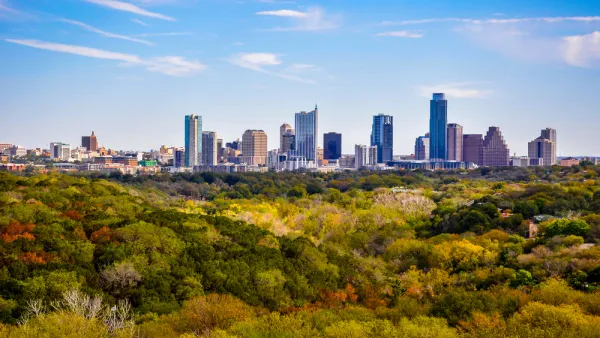
Who Moves and What It Means for Growing Cities
It’s difficult to grow a city. Tax revenues limit budgets and there are trade-offs involved in how to spend those resources. Any city trying to allocate resources to grow needs to know who moves.
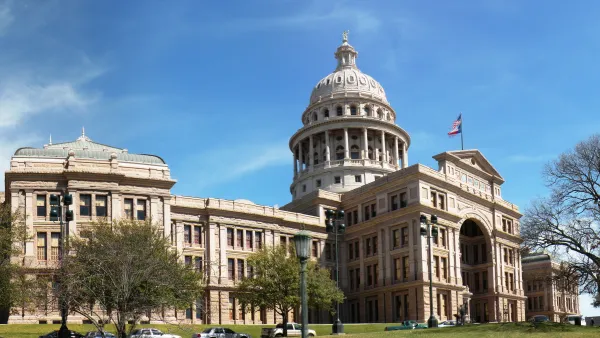
The End of 'Slackerdom' in Austin (or Pittsburgh Rich vs. New York Poor)
Yes, that's a lot of cities in one headline. But recent urbanism media has included a lot of writers lamenting the rising cost of living in formerly bohemian locales while noticing former bohemians moving to more affordable regions.
Richard Florida on the Importance of Place
Richard Florida, interviewed by blogger Dave Copeland, says that quality of place is going to be of growing importance in the coming era to keep cities vibrant and attracting talent and the "creative class."

Amtrak, CN end decades-long dispute with eight-year agreement
The new operating agreement establishes an updated framework for the companies to work together, including processes to resolve disputes.

Judges permit Denver to divert 77,000 acre feet from the Colorado River for reservoir expansion
Overuse and climate change have caused the Colorado River’s water levels to plummet.
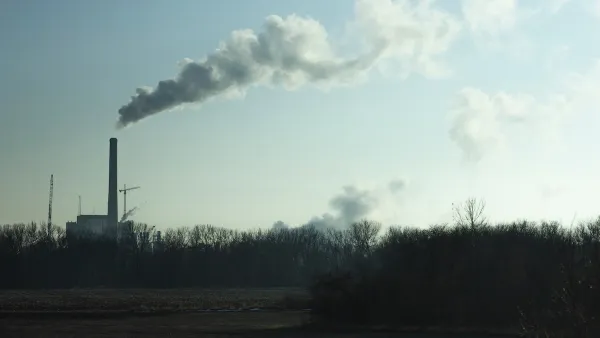
Nation's most wind-powered state turns to coal as data centers increase energy demand
For the first time in decades, Iowa has increased its generation of coal power.

Boston has spent millions making the Green Line more accessible — and there’s no end in sight
While the city has invested millions into expanding and adding platforms to the Green Line to make it more accessible, new train cars set to arrive next year will be too tall for disabled passengers to board without raising the current platforms.

Idaho may see an 18% drop in federal surface transit funding — the largest estimated cut in the US
Transit systems in rural communities are much more reliant on federal funding to provide their services.

How ‘post-disaster gentrification’ alters neighborhoods after natural calamities
After hurricanes, fires or other calamities, the original residents of a community are often replaced by younger, wealthier residents.

FREE Course: Walkable City 1: Why Walkability?
After describing his path towards focusing on walkability as the essence of good planning, Jeff Speck marches through his five principal reasons for making more walkable places.
Reinventing Malls: Planning Alchemy—Turning Gray Fields Into Gold
The course focuses on the opportunities and imperatives that shape reinvention of mall sites.

City of Wisconsin Rapids
Harvard University Graduate School of Design
KFH Group Inc.
The Architects Foundation
University of Cincinnati Online
The Pocatello Development Authority
The Urban Renewal Agency of the City of Pocatello