The ongoing effort to improve Japantown shows just how difficult it can be to shed the past.


"San Francisco's Japan Center opened in 1968 as a showcase of the era's most modern thinking in urban design.
Three cleared blocks were reconceived in an attempt to combine the best of the suburbs and city: a shopping center that mimicked the charm of Japan's traditional streets and shops, but with climate-controlled walkways and convenient underground parking.
Forty years later, the dated Japan Center, with its three indoor malls and drab, concrete plaza, is an example of what urban planners are trying to deconstruct both in San Francisco and around the country.
As many cities are struggling to undo the 1960s auto-centric version of America, they are confronted not only with the outdated design of the past, but also its structures - many built before modern codes required more seismic fortitude."
Thanks to Rob Brgoff
Read the full story: S.F. searches for solution to Japan Center woes


Luxury condo owners fight robotaxis in the most San Francisco conflict ever
Waymos parking in a condo building's garage are causing headaches as they get stuck and block other cars from exiting.
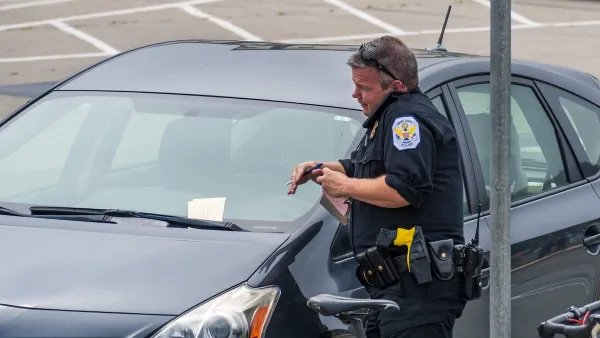
For a Few Hours, This Site Put San Francisco Drivers a Step Ahead of Parking Officers
A web developer used city parking enforcement data to map the routes of parking enforcement officers.
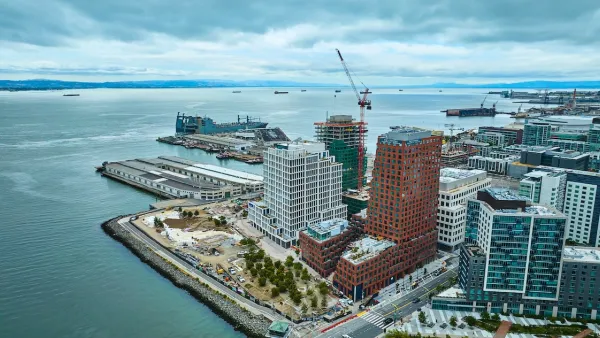
San Francisco Development Centers Pedestrians, Public Space
The Mission Rock project eliminates street parking, replacing it with public seating and landscaping.

Planetizen Federal Action Tracker
A weekly monitor of how Trump’s orders and actions are impacting planners and planning in America.

Data reveals that NYC’s bet on congestion pricing has paid off
After almost two years of the program, reports show positive impacts on traffic and air quality and no disruptions to parking.

HUD modernizes 50-year-old manufactured housing framework
The Next Generation Manufactured Housing Action Plan establishes new energy-efficiency standards for manufactured homes, and new guidelines for anchoring them.

Small single-family homes are illegal in most of MA. Voters can change that
Most land zoned for single-family housing in Massachusetts requires at least 40,000 square feet of land per house.

Public steps inside U.S.’s first battery-powered train
Metra’s groundbreaking train feature modern seats and a futuristic battery car.

Companies show off AI technology, new innovation hubs at APTA Expo
Nearly 700 companies attended the American Public Transportation Association’s Expo last week, which happens once every three years.

FREE Course: Walkable City 1: Why Walkability?
After describing his path towards focusing on walkability as the essence of good planning, Jeff Speck marches through his five principal reasons for making more walkable places.
Reinventing Malls: Planning Alchemy—Turning Gray Fields Into Gold
The course focuses on the opportunities and imperatives that shape reinvention of mall sites.

One Hundred Miles
County of Mendocino
planning NEXT
The Architects Foundation
University of Cincinnati Online
Montrose County
Northern Illinois Transit Authority (NITA)
The Pocatello Development Authority