Last week, a majority of transportation initiatives were approved by voters. This is good news for transit advocates, but risks still loom.


"To be sure, last week's votes won't guarantee a prolonged boom for rail and transit systems -- or for companies supplying the equipment. Gas prices could stabilize at lower levels, diminishing growth prospects for bus and rail service. The impact of the economic slowdown on budgets may constrain funding for transportation. And big undertakings like California's prospective high-speed rail system will depend on equal participation from the federal government and private sector.
'The clear risk is...can California go out and raise $10 billion to do this at a cost that makes sense?" said Art Hatfield, an analyst at Morgan Keegan in Memphis, Tenn. "Is the appetite there to invest in these projects from private money?'
Mr. Hatfield noted that companies such as Bombardier and Siemens need to show they can step up production as they bid on projects. 'That is a huge risk these companies run,' he said. 'They build up expectations on infrastructure spending, and then either these things move forward or don't move forward.'"
Read the full story: Mass-Transit Projects Fared Well at Polls

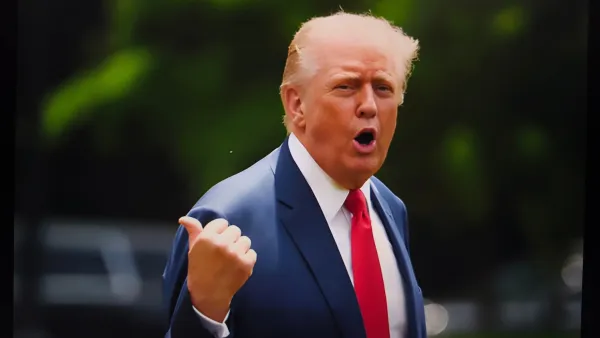
Trump Administration Proposes to Divert Billions from Mass Transit to Highways; Advocates Sound Alarm
Two proposals from the Trump DOT would eliminate a federal mass transit fund and make it harder for states to allocate funding to transit projects.
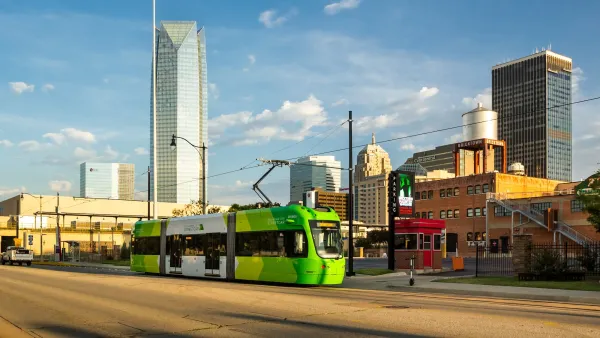
Oklahoma City bets on transit
The city's mayor is urging residents to support a new sales tax that would fund transit expansion in the growing city.
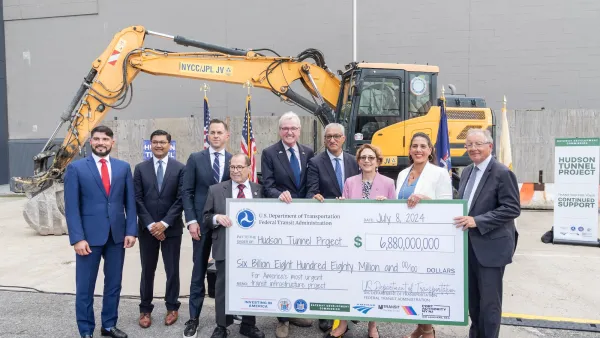
Trump administration is withholding over $7B in transit grants
Congress allocated $7.7 billion to the Capital Investment Grants program. The Federal Transit Administration has yet to sign a single agreement.

Planetizen Federal Action Tracker
A weekly monitor of how Trump’s orders and actions are impacting planners and planning in America.

The state-sanctioned urbicide of Austin
People don’t kill cities. Freeways do.

US to reduce Colorado River water deliveries to Mexico
A new Colorado Treaty amendment reduces Mexico’s Colorado River water allocation by 250,000 acre feet.

Nation's most wind-powered state turns to coal as data centers increase energy demand
For the first time in decades, Iowa has increased its generation of coal power.

NYC cools commuters with city's first rain garden above a bus stop
New York City officials say the plants in the rain garden can absorb 16 gallons of rainwater during heavy storms.

Brightline West’s future may rely on $6 billion federal loan
The company has until Nov. 2 to make a $400 million equity investment into its proposed high-speed rail line.

FREE Course: Walkable City 1: Why Walkability?
After describing his path towards focusing on walkability as the essence of good planning, Jeff Speck marches through his five principal reasons for making more walkable places.
Reinventing Malls: Planning Alchemy—Turning Gray Fields Into Gold
The course focuses on the opportunities and imperatives that shape reinvention of mall sites.

Eagle County Government
Harvard University Graduate School of Design
Nashville Planning Department
The Architects Foundation
University of Cincinnati Online
The Pocatello Development Authority
The Urban Renewal Agency of the City of Pocatello
Journal of the American Planning Association