Gas prices are falling, and drivers are going right back to their gas-guzzling ways.


"What is happening in this blue-collar bedroom community of refinery, food processing and casino workers reminds energy analysts of what happened the last time the oil price collapsed. The frugality of the 1970s, when oil was high, eventually gave way to an era when people drove longer distances, lived farther from work and traded in their cars for minivans and then sport utility vehicles."
"'Driving habits die hard, and they can reincarnate quickly,' said Christopher R. Knittel, an economist at the University of California, Davis, who studies gasoline demand. In the late 1980s, he added: 'As soon as gas prices fell, there was no real incentive to drive less anymore. If oil prices continue to fall and the economy recovers, I would expect consumers to return to wanting larger and less fuel-efficient cars.'"
"With auto companies closing factories that produce sport utility vehicles in favor of smaller, gas-efficient cars, it may be hard to veer back to the gas-guzzling days very quickly."
Read the full story: As Gas Prices Go Down, Driving Goes Up

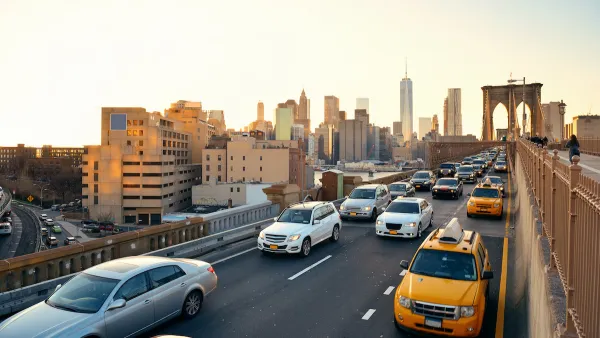
FHWA: Driving on US Roads at All-Time High
The end of some remote work policies and lower gas prices led to a rise in driving last year.
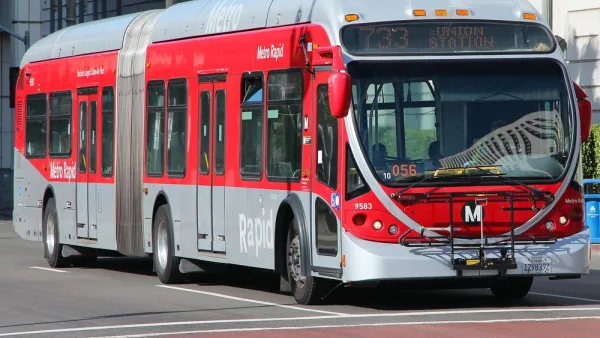
Causes of the Pre-COVID Decline in Bus Ridership
Even before the effects fo the coronavirus pandemic drastically reduced ridership, transit riders were declining in cities across the country. The reasons for the downward trend were varied.
Highest Gas Prices are Lowest in 11 years
Yes, gas prices are both lowest and highest. When compared to past Memorial Day weekends, it's the lowest since 2005, and by no coincidence the highest amount of travelers will take to the roads since the same year. Guess what that is doing to VMT?

Planetizen Federal Action Tracker
A weekly monitor of how Trump’s orders and actions are impacting planners and planning in America.

Data reveals that NYC’s bet on congestion pricing has paid off
After almost two years of the program, reports show positive impacts on traffic and air quality and no disruptions to parking.

HUD modernizes 50-year-old manufactured housing framework
The Next Generation Manufactured Housing Action Plan establishes new energy-efficiency standards for manufactured homes, and new guidelines for anchoring them.

Small single-family homes are illegal in most of MA. Voters can change that
Most land zoned for single-family housing in Massachusetts requires at least 40,000 square feet of land per house.

Public steps inside U.S.’s first battery-powered train
Metra’s groundbreaking train feature modern seats and a futuristic battery car.

Companies show off AI technology, new innovation hubs at APTA Expo
Nearly 700 companies attended the American Public Transportation Association’s Expo last week, which happens once every three years.

FREE Course: Walkable City 1: Why Walkability?
After describing his path towards focusing on walkability as the essence of good planning, Jeff Speck marches through his five principal reasons for making more walkable places.
Reinventing Malls: Planning Alchemy—Turning Gray Fields Into Gold
The course focuses on the opportunities and imperatives that shape reinvention of mall sites.

One Hundred Miles
County of Mendocino
planning NEXT
The Architects Foundation
University of Cincinnati Online
Montrose County
Northern Illinois Transit Authority (NITA)
The Pocatello Development Authority