Metro and 30 other transit agencies across the country may have to pay billions of dollars to large banks as years-old financing deals unravel, potentially hurting service for millions of bus and train riders, transit officials said yesterday.


"The problems are an unexpected consequence of the credit crisis, triggered indirectly by the collapse of American International Group, the insurance giant that U.S. taxpayers recently rescued from bankruptcy, officials said.
AIG had guaranteed deals between transit agencies and banks under which the banks made upfront payments that the agencies agreed to repay over time. But AIG's financial problems have invalidated the company's guarantees, putting the deals in technical default and allowing the banks to ask for all their money at once.
In Metro's case, the regional transit agency could face up to $400 million in payments, the system's chief financial officer, Carol Kissal, said in an interview yesterday. One bank, KBC Group of Belgium, has told Metro that it needs to pay $43 million by next week. Metro officials confirmed the details but declined to name the bank."
Thanks to Joanna Winchester
Read the full story: Credit Crisis May Force Metro to Pay Millions

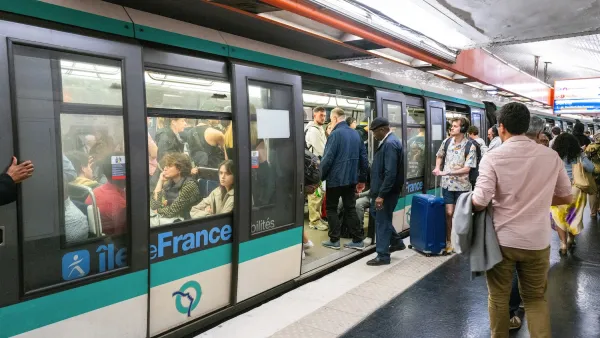
Study: Metro Systems Cut Driving Significantly More Than Other Forms of Transit
European cities with subway systems have a much lower share of car trips than cities with tram- or bus-based transit systems.
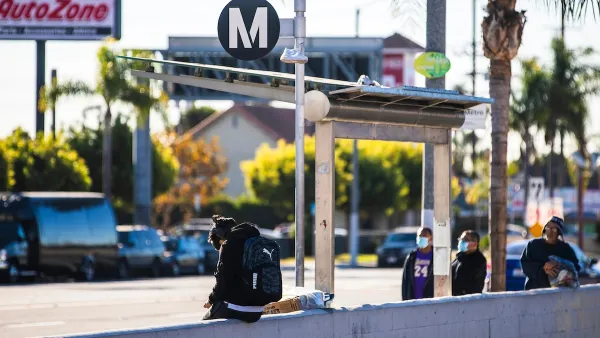
LA Bus Ridership Keeps Dropping as ICE Raids Continue
Bus boardings fell for a second month amid fears of immigration raids.
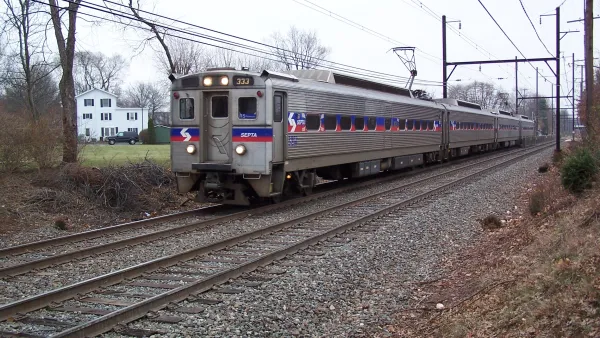
States 'Switching Tracks' to Avoid Public Transit Fiscal Cliff
The influx of federal emergency money used to keep public transit operational during the COVID pandemic will end this year. States and transit agencies across the country are searching for alternative funding sources.

Planetizen Federal Action Tracker
A weekly monitor of how Trump’s orders and actions are impacting planners and planning in America.

Northwest rail fans eager for Sept. 30 debut of Amtrak’s Airo fleet
Get ready for that new train smell and more seats. But they won’t go faster or run more frequently on the Cascades route in Washington and Oregon.
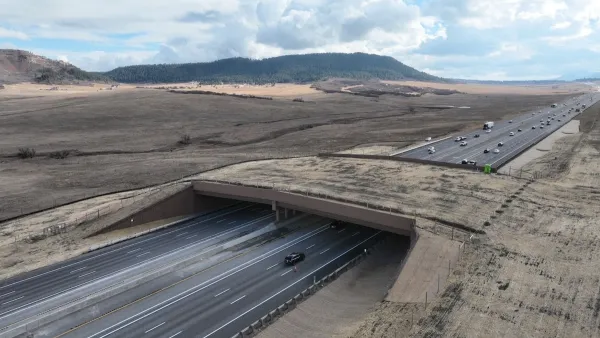
Record-breaking wildlife overpass in Colorado brings 91% reduction in animal collisions
Prior to the overpass, vehicles were hitting one deer per day on Colorado’s Interstate 25.

Detroit to transform waterfront with $2.2 billion investment
Developers will convert about 18 acres of unused parking lot space into civic spaces.

‘Going backwards:’ Baltimore mayor, students rally against state's transit funding plan
Maryland's proposed six-year plan provides no funding for Baltimore’s BMORE bus program and reduces its road maintenance funding.

Trump wants to cancel nearly 98% of funding for HUD housing support program
Multiple housing groups are suing the administration in an effort to preserve the funding.

FREE Course: Walkable City 1: Why Walkability?
After describing his path towards focusing on walkability as the essence of good planning, Jeff Speck marches through his five principal reasons for making more walkable places.
Reinventing Malls: Planning Alchemy—Turning Gray Fields Into Gold
The course focuses on the opportunities and imperatives that shape reinvention of mall sites.

City of Thousand Oaks
City of Wisconsin Rapids
Harvard University Graduate School of Design
The Architects Foundation
University of Cincinnati Online
Northern Illinois Transit Authority (NITA)
The Pocatello Development Authority
The Urban Renewal Agency of the City of Pocatello