A debate over who should be responsible for the costs incurred by wildfires is raging between the Federal government and state and local officials.


"The steeply rising cost of preventing and suppressing wildfires, which burned more of the American landscape in 2006 than in any other year since at least 1960, is creating a rift between Washington and state and local governments over how the burden ought to be shouldered."
"A study issued in November by the inspector general's office of the United States Department of Agriculture, the parent agency of the Forest Service, said the nature of the wildfire threat was changing as private homes and communities pushed ever closer to the boundaries of once-remote public lands. Those communities and landowners, rather than federal taxpayers, should have to pay for more of their own fire protection, the report concluded."
Read the full story: As Costs of Wildfires Grow, So Does a Question: Who Should Pay?


Planetizen Federal Action Tracker
A weekly monitor of how Trump’s orders and actions are impacting planners and planning in America.

The state-sanctioned urbicide of Austin
People don’t kill cities. Freeways do.

Colorado’s Largest Data Center Could Rise Next to Homes — Without a Public Hearing
The proposed campus would consume 11 times the power of Denver International Airport; as it has across the country, opposition mounts.
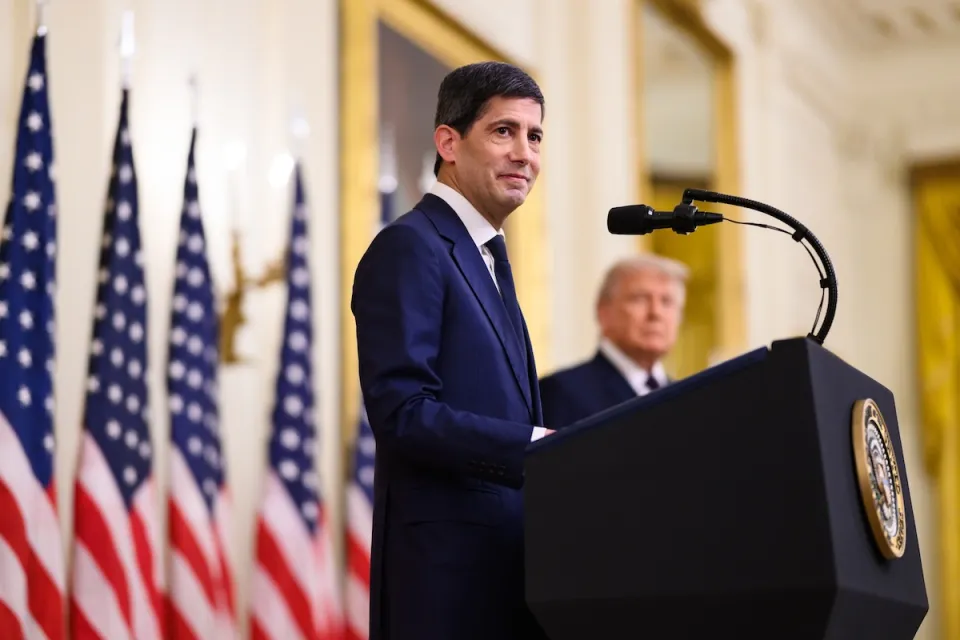
Raised interest rates may kill financially vulnerable construction projects
The chief economist at ConstructConnect warns that if construction project owners are negatively impacted by the raised rates, it could result in delayed payments to contractors.
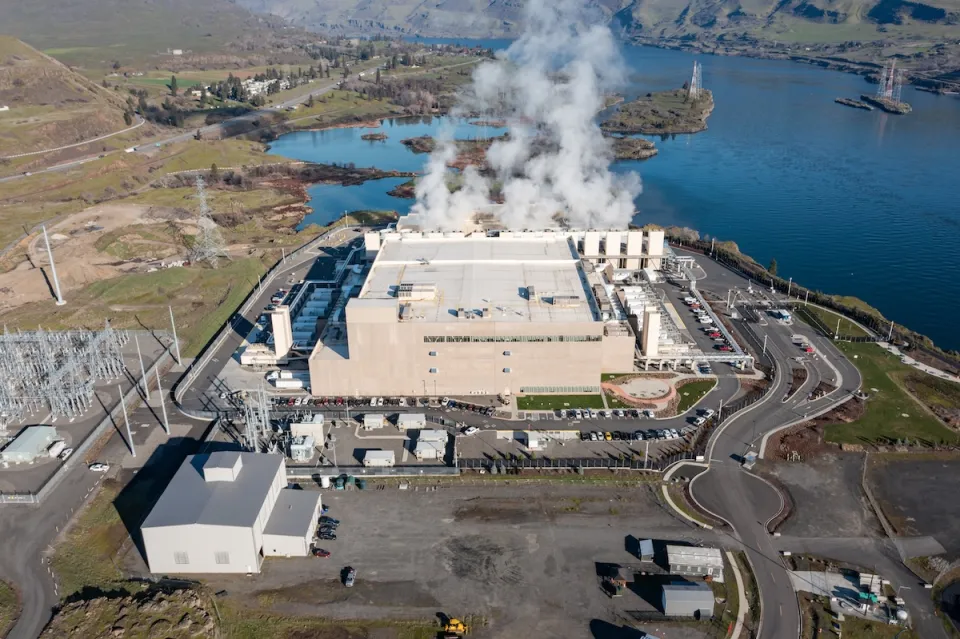
Data centers are consuming nearly 25% of Oregon’s power
The state has 111 data centers, with 32 more either planned or under construction.

A third of Texas cities must update their zoning codes to comply with new housing law
Texas municipalities are now required to allow manufactured housing in at least one residential zoning district.

FREE Course: Walkable City 1: Why Walkability?
After describing his path towards focusing on walkability as the essence of good planning, Jeff Speck marches through his five principal reasons for making more walkable places.
Reinventing Malls: Planning Alchemy—Turning Gray Fields Into Gold
The course focuses on the opportunities and imperatives that shape reinvention of mall sites.

Greater Baltimore Committee
Eagle County Government
Harvard University Graduate School of Design
The Architects Foundation
University of Cincinnati Online
The Pocatello Development Authority
The Urban Renewal Agency of the City of Pocatello
Journal of the American Planning Association