Unless we make a rapid switch to clean, renewable energy, other cities will face the dangers that submerged New Orleans, says Mike Tidwell.


“The Bush administration is ignoring reports from its own agencies that say every coastal city in America - from New York to Los Angeles - could become a New Orleans within a generation or two. The flooding, storm damage, death toll and economic ruin we are seeing in the Crescent City could become an annual occurrence in some other U.S. city spread across some other American coastline.â€
Mike Tidwell maintains that while committing to “the detailed restoration scheme that has been on the table since the 1990s to literally re-engineer the coast†is the only responsible way to restore New Orleans, “even this multibillion-dollar coastal rehabilitation effort will be in vain unless we immediately address another facet of the law of unintended consequences: global warming.â€
Mike Tidwell is the author of Bayou Farewell: The Rich Life and Tragic Death of Louisiana's Cajun Coast, a book that got very little media attention when it came out in 2003 but now seems to be of great interest to every journalist in America. As a result, since Katrina struck, Tidwell has been on Meet the Press, CNN (three times), Fox, MSNBC, CBS, NPR, and other networks. He lives in Takoma Park, MD (in an older home where he and his family have reduced their greenhouse gas emissions by 90%).
Thanks to Mary Vogel
Read the full story: Unintended Consequences


Planetizen Federal Action Tracker
A weekly monitor of how Trump’s orders and actions are impacting planners and planning in America.

Colorado’s Largest Data Center Could Rise Next to Homes — Without a Public Hearing
The proposed campus would consume 11 times the power of Denver International Airport; as it has across the country, opposition mounts.

US to reduce Colorado River water deliveries to Mexico
A new Colorado Treaty amendment reduces Mexico’s Colorado River water allocation by 250,000 acre feet.

'This is going to be painful:’ Virginia stares down $1.7 billion funding gap for highway maintenance
The state may address the deficit by shifting $290 million from its construction budget to maintenance projects.
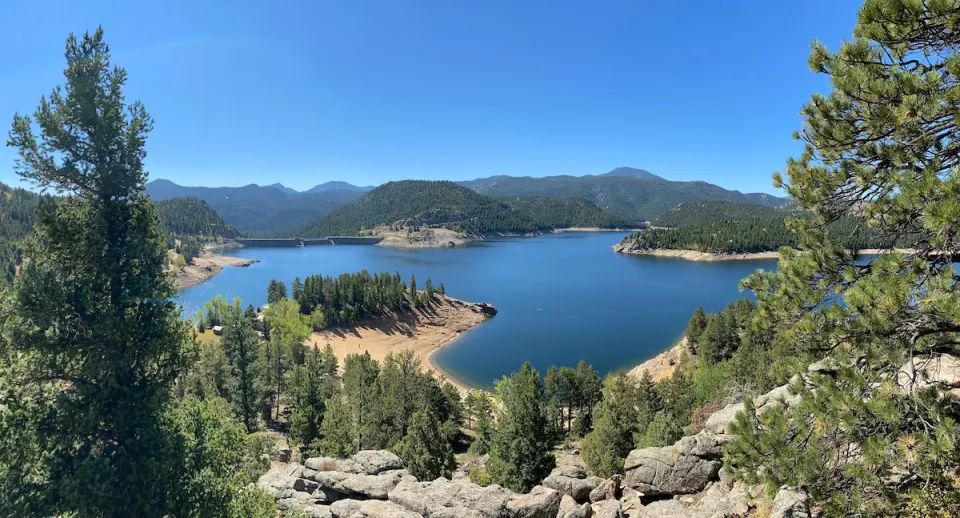
Judges permit Denver to divert 77,000 acre feet from the Colorado River for reservoir expansion
Overuse and climate change have caused the Colorado River’s water levels to plummet.
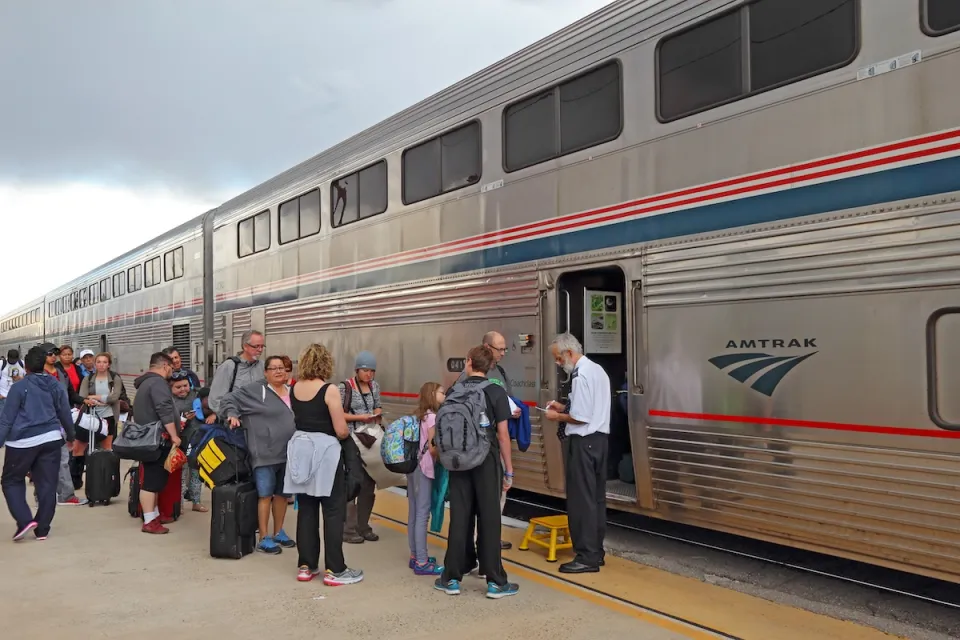
Amtrak, CN end decades-long dispute with eight-year agreement
The new operating agreement establishes an updated framework for the companies to work together, including processes to resolve disputes.

FREE Course: Walkable City 1: Why Walkability?
After describing his path towards focusing on walkability as the essence of good planning, Jeff Speck marches through his five principal reasons for making more walkable places.
Reinventing Malls: Planning Alchemy—Turning Gray Fields Into Gold
The course focuses on the opportunities and imperatives that shape reinvention of mall sites.

KFH Group Inc.
Greater Baltimore Committee
Eagle County Government
The Architects Foundation
University of Cincinnati Online
The Pocatello Development Authority
The Urban Renewal Agency of the City of Pocatello