With the demise of the Orange County's Centerline light-rail project, an alternative weekly sheds light on the past, present, and grim future of transportation in Southern California.


"But whats the alternative? What we have now sucks. No one wants to ride the bus, domain of the ethnic and poor. Rail choices such as the Metrolink, while successful, occupy pathways originally set up to benefit ranches and farmers back in the day when there were ranches and farmers. Building new roads and freeways costs billions and, given our state budget, will probably never happen...
...people support public transit so other people will take it and allow them more room on the road....
...The prenatal death of the CenterLine project makes it hard to imagine a future in which Orange County will ever be linked by a light-rail system to the rest of Southern California. What makes this particularly pathetic is that half a century ago, we already were...The Pacific Electrics 900 cars and 1,150 miles of track werent the result of altruism or civic action; they happened because, for a time, greed coincided with the public interest."
[Editors' note: This article contains strong language that is not appropriate in a professional work setting, and might be offensive to some.]
Thanks to KMKoldus
Read the full story: Next Stop: Immobility - An A to Z Guide to Surviving the Death/Pause/Sunshine of the CenterLine


Planetizen Federal Action Tracker
A weekly monitor of how Trump’s orders and actions are impacting planners and planning in America.

The state-sanctioned urbicide of Austin
People don’t kill cities. Freeways do.

Colorado’s Largest Data Center Could Rise Next to Homes — Without a Public Hearing
The proposed campus would consume 11 times the power of Denver International Airport; as it has across the country, opposition mounts.
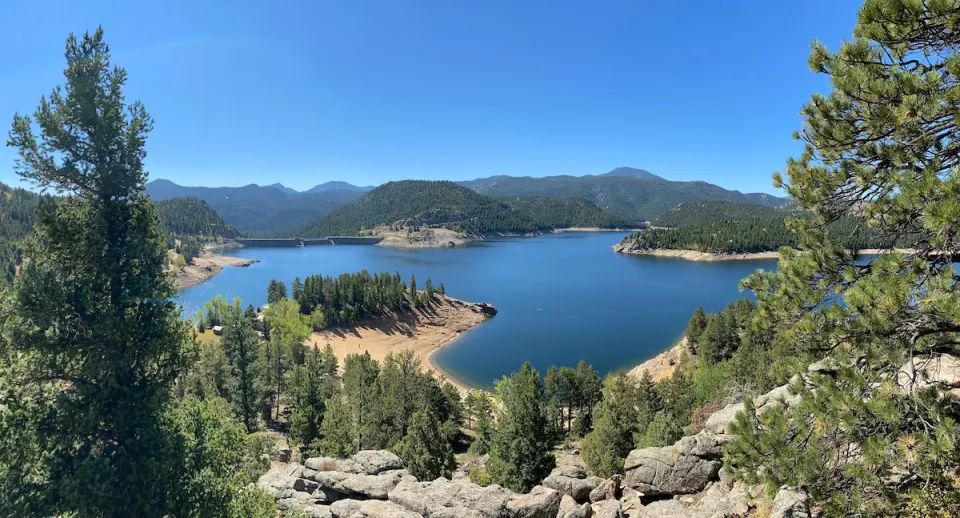
Judges permit Denver to divert 77,000 acre feet from the Colorado River for reservoir expansion
Overuse and climate change have caused the Colorado River’s water levels to plummet.
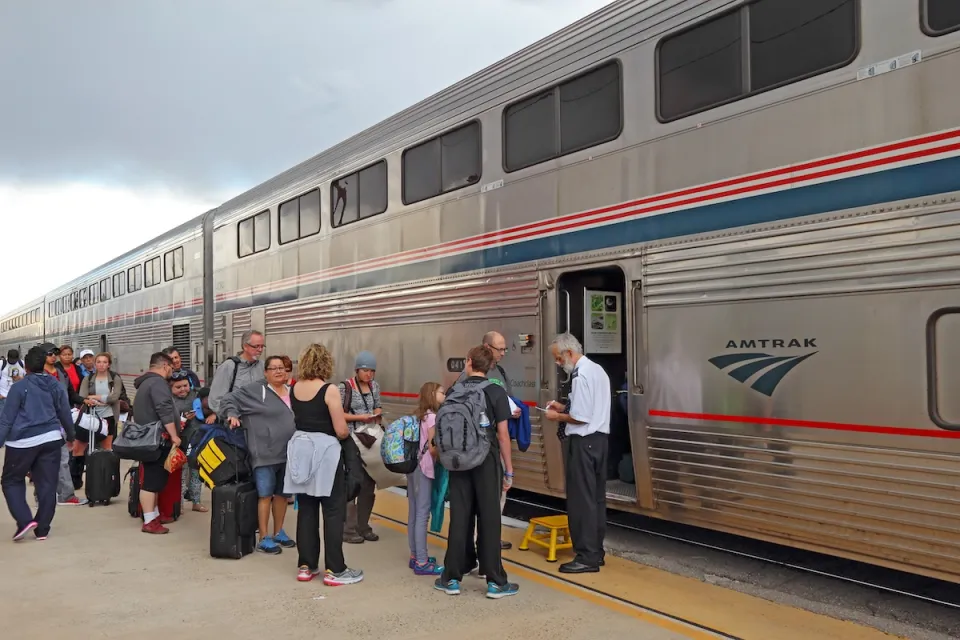
Amtrak, CN end decades-long dispute with eight-year agreement
The new operating agreement establishes an updated framework for the companies to work together, including processes to resolve disputes.

Raised interest rates may kill financially vulnerable construction projects
The chief economist at ConstructConnect warns that if construction project owners are negatively impacted by the raised rates, it could result in delayed payments to contractors.

FREE Course: Walkable City 1: Why Walkability?
After describing his path towards focusing on walkability as the essence of good planning, Jeff Speck marches through his five principal reasons for making more walkable places.
Reinventing Malls: Planning Alchemy—Turning Gray Fields Into Gold
The course focuses on the opportunities and imperatives that shape reinvention of mall sites.

Greater Baltimore Committee
Eagle County Government
Harvard University Graduate School of Design
The Architects Foundation
University of Cincinnati Online
The Pocatello Development Authority
The Urban Renewal Agency of the City of Pocatello
Journal of the American Planning Association