Alpine Recreation Center serves as a vital cultural and community hub in Los Angeles' Chinatown, offering a safe, welcoming space for generations of Chinese American residents to gather, connect, and thrive amidst rapid urban change.


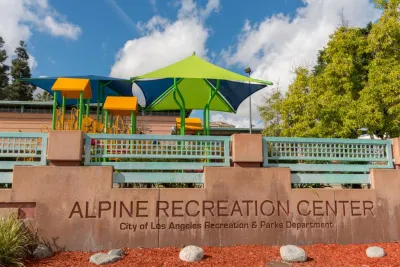
Alpine Recreation Center stands as the only park embedded in the residential core of Los Angeles’ Chinatown, providing critical green space for its predominantly Chinese American community. From early morning Tai Chi sessions to late-afternoon basketball games, the park is a constant hub of multigenerational activity. For elderly residents like Mei, who only speaks Cantonese, the park offers not just a safe and accessible space to care for her grandson, but also a rare place to connect with others in her native language—something a larger, newer park nearby does not provide.
Throughout the day, Alpine serves as a vital gathering space for schoolchildren, recent immigrants, and working professionals alike. After-school programs, summer camps, and recreational classes keep the park lively and support both cultural continuity and youth development. Residents like Ruby Lei, a recent arrival from China, say the park helps them build friendships and feel a sense of belonging. The community’s strong presence is further supported by frequent events hosted by the City of Los Angeles and local organizations, drawing in residents with grocery distributions, holiday celebrations, and more.
Beyond its role for the Chinese community, Alpine Recreation Center fosters cross-cultural interaction in a safe and inclusive environment, welcoming families from neighboring areas like Boyle Heights. Visitors describe the park as uniquely vibrant and emotionally resonant, a place where language barriers dissolve through shared activity and mutual respect. More than just a recreational facility, Alpine is a living symbol of continuity, offering new immigrants a first foothold in the U.S. and elderly residents a familiar and comforting last harbor in a rapidly changing city.
FULL STORY: Why Alpine Recreation Center is the First and Last Harbor for LA’s Chinatown Residents

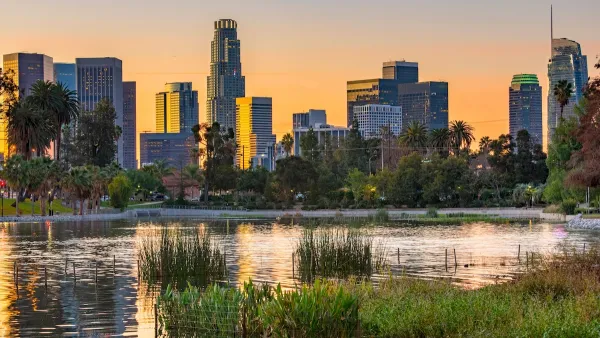
Delivering on the Promise of Parks
In LA County, even amid budget challenges, new parks are opening, targeted investments are being made in underserved communities, and long-term plans are guiding progress — demonstrating a sustained commitment to parks as essential infrastructure.
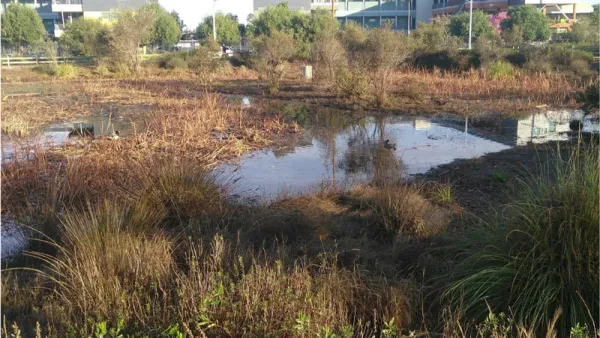
How South LA Green Spaces Power Community Health and Hope
Green spaces like South L.A. Wetlands Park are helping South Los Angeles residents promote healthy lifestyles, build community, and advocate for improvements that reflect local needs in historically underserved neighborhoods.
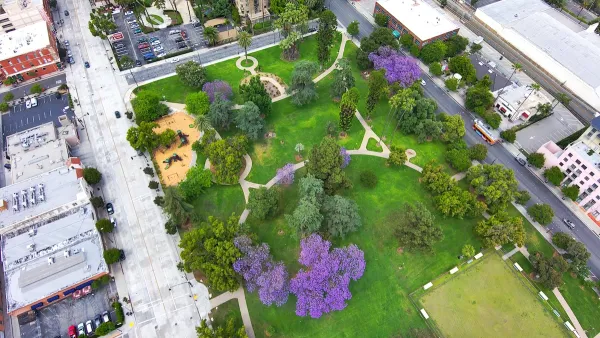
Los Angeles County Invests in Wildfire Recovery for Parks, Trails, and Open Space
The $4.25 million RESTORE Program supports the recovery of parks, trails, and open spaces damaged by the January 2025 wildfires through targeted grants that promote community healing, wildfire resilience, and equitable access to nature.

Planetizen Federal Action Tracker
A weekly monitor of how Trump’s orders and actions are impacting planners and planning in America.

The state-sanctioned urbicide of Austin
People don’t kill cities. Freeways do.

US to reduce Colorado River water deliveries to Mexico
A new Colorado Treaty amendment reduces Mexico’s Colorado River water allocation by 250,000 acre feet.

Colorado’s Largest Data Center Could Rise Next to Homes — Without a Public Hearing
The proposed campus would consume 11 times the power of Denver International Airport; as it has across the country, opposition mounts.

5 New England states march closer to 800 megawatt wind energy project
Securing federal approval for the project may be complicated under the Trump administration, which has historically been hostile towards domestic wind power.

Baltimore to break ground on $50 million Transit Priority Project
The project will bring faster bus trips, safer streets and better bike connections to Baltimore.

FREE Course: Walkable City 1: Why Walkability?
After describing his path towards focusing on walkability as the essence of good planning, Jeff Speck marches through his five principal reasons for making more walkable places.
Reinventing Malls: Planning Alchemy—Turning Gray Fields Into Gold
The course focuses on the opportunities and imperatives that shape reinvention of mall sites.

Eagle County Government
Harvard University Graduate School of Design
Nashville Planning Department
The Architects Foundation
University of Cincinnati Online
The Pocatello Development Authority
The Urban Renewal Agency of the City of Pocatello
Journal of the American Planning Association