Providence’s downtown is transforming from plan to place. Decades of strategic planning, zoning reforms, & investment are paying off, creating a more vibrant, walkable urban core. Here’s how thoughtful policy and design are shaping the city’s future.


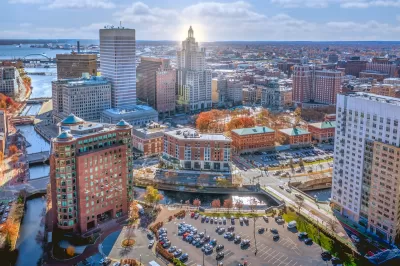
Providence’s downtown is undergoing a remarkable transformation, proving that long-term planning and smart zoning reforms can reshape a city’s future. In PlaceMakers’ latest piece, Susan Henderson highlights how mixed-use development, historic preservation, and investment in walkable infrastructure are fueling a downtown renaissance. By removing barriers to adaptive reuse and prioritizing people-centered design, the city has created new opportunities for housing, business, and public life.
A key driver of this revitalization is the I-195 Redevelopment District, which has turned underutilized land into a hub for innovation and economic growth. Henderson details how strategic policies, transit-oriented development, and a focus on placemaking are making Providence a model for other cities looking to balance historic charm with modern urban needs.
FULL STORY: From Plan to Place: Providence’s Downtown Renaissance

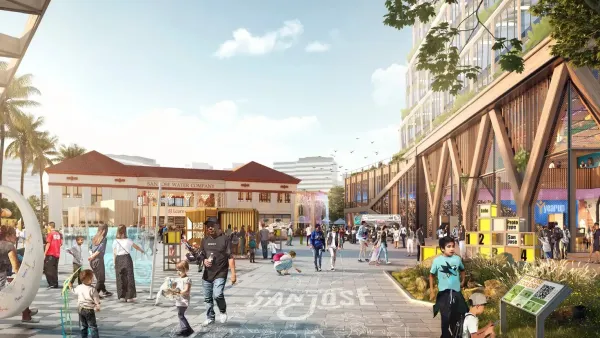
Google Razed 80 Acres in Downtown San Jose. Then… Nothing Happened.
The project was expected to generate about $79 million annually in property taxes.

Office Conversions Have Increased Every Year This Decade
Since the pandemic, office vacancy rates remain high, leading many cities to adjust zoning codes to accommodate adaptive reuse.
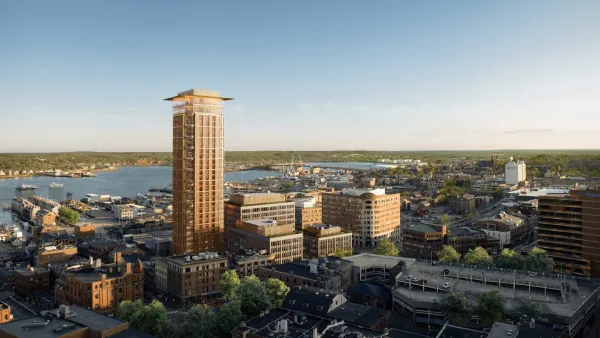
Downtown Portland Ready for Maine's Tallest Building
The city of Portland anticipates a major new urban development addition called the “Old Port Square” project.

Planetizen Federal Action Tracker
A weekly monitor of how Trump’s orders and actions are impacting planners and planning in America.

The state-sanctioned urbicide of Austin
People don’t kill cities. Freeways do.

US to reduce Colorado River water deliveries to Mexico
A new Colorado Treaty amendment reduces Mexico’s Colorado River water allocation by 250,000 acre feet.

5 New England states march closer to 800 megawatt wind energy project
Securing federal approval for the project may be complicated under the Trump administration, which has historically been hostile towards domestic wind power.

Baltimore to break ground on $50 million Transit Priority Project
The project will bring faster bus trips, safer streets and better bike connections to Baltimore.

Airbnb launches $250 million 'last-dollar financing' housing accelerator, makes first investment in Austin
The company will put $6.4 million towards affordable housing development in Texas’ capital.

FREE Course: Walkable City 1: Why Walkability?
After describing his path towards focusing on walkability as the essence of good planning, Jeff Speck marches through his five principal reasons for making more walkable places.
Reinventing Malls: Planning Alchemy—Turning Gray Fields Into Gold
The course focuses on the opportunities and imperatives that shape reinvention of mall sites.

Eagle County Government
Harvard University Graduate School of Design
Nashville Planning Department
The Architects Foundation
University of Cincinnati Online
The Pocatello Development Authority
The Urban Renewal Agency of the City of Pocatello
Journal of the American Planning Association