A proposed law would make companies liable for damages caused by burning fossil fuels.


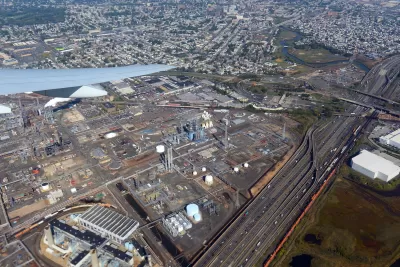
A proposed New Jersey state bill would require petrochemical companies to pay for ongoing cleanups of toxic waste, according to an Associated Press article republished in Fast Company.
The measure would create a ‘Climate Superfund’ at the state level that would collect funds from the polluting entities rather than passing on the cost of cleanup to taxpayers. The law would assess damages resulting from greenhouse gas emissions from fossil fuels dating back to 1995.
Industry representatives say the measure would raise the cost of gasoline and home heating oil for consumers. An official with the New Jersey Business and Industry Association called the bill “unconstitutionally vague in assessments of costs.” The proposal does not include specifics on the fees.
FULL STORY: This New Jersey bill wants fossil fuel companies to pay for climate-driven damage

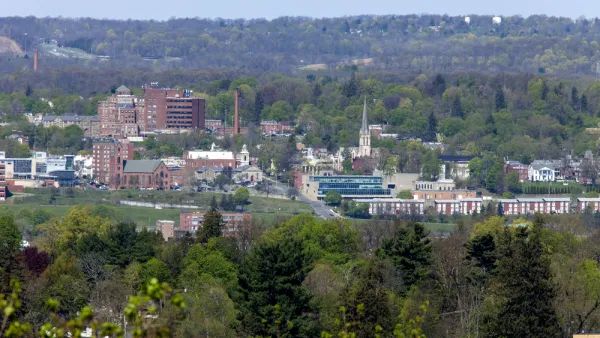
Hudson Valley City Bans Fossil Fuels in New Construction
Beacon will require all-electric appliances in new buildings starting next year.
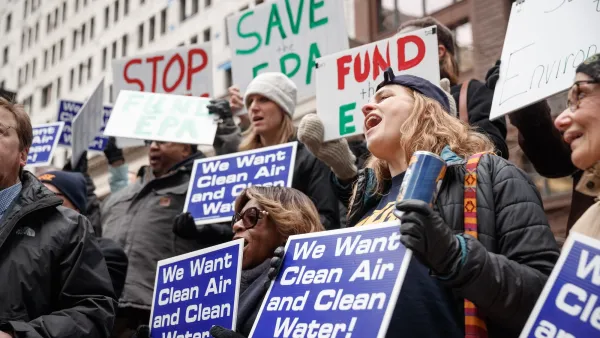
EPA Guts Emissions Regulations
The agency is eliminating the endangerment finding that underpins the agency’s authority to regulate greenhouse gas emissions.
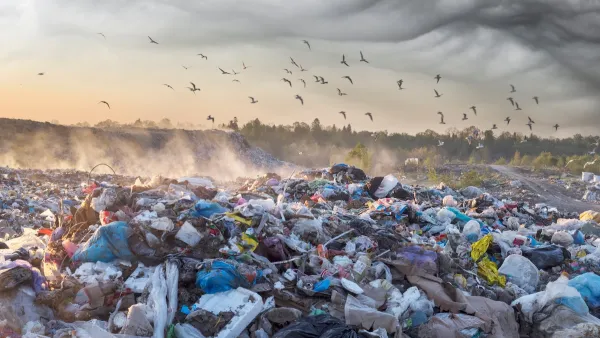
Colorado Landfills Emit as Much Pollution as 1M Cars
Landfills are the third-largest source of methane pollution in Colorado, after agriculture and fossil fuel extraction.

Planetizen Federal Action Tracker
A weekly monitor of how Trump’s orders and actions are impacting planners and planning in America.

The state-sanctioned urbicide of Austin
People don’t kill cities. Freeways do.

US to reduce Colorado River water deliveries to Mexico
A new Colorado Treaty amendment reduces Mexico’s Colorado River water allocation by 250,000 acre feet.

5 New England states march closer to 800 megawatt wind energy project
Securing federal approval for the project may be complicated under the Trump administration, which has historically been hostile towards domestic wind power.

Baltimore to break ground on $50 million Transit Priority Project
The project will bring faster bus trips, safer streets and better bike connections to Baltimore.

Airbnb launches $250 million 'last-dollar financing' housing accelerator, makes first investment in Austin
The company will put $6.4 million towards affordable housing development in Texas’ capital.

FREE Course: Walkable City 1: Why Walkability?
After describing his path towards focusing on walkability as the essence of good planning, Jeff Speck marches through his five principal reasons for making more walkable places.
Reinventing Malls: Planning Alchemy—Turning Gray Fields Into Gold
The course focuses on the opportunities and imperatives that shape reinvention of mall sites.

Eagle County Government
Harvard University Graduate School of Design
Nashville Planning Department
The Architects Foundation
University of Cincinnati Online
The Pocatello Development Authority
The Urban Renewal Agency of the City of Pocatello
Journal of the American Planning Association