From forgotten buildings to thriving neighborhoods, adaptive reuse has the power to transform our cities.


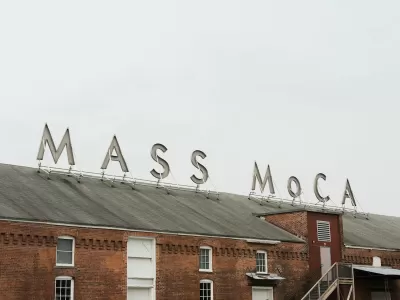
In a piece in PlaceShakers, Susan Henderson explores the transformative potential of adaptive reuse, using real-world examples like Philips Square in Winnipeg, MassMOCA, and Redlands Mall. It also provides actionable policy recommendations on zoning reform and funding strategies.
Henderson explores how spaces like Winnipeg’s Philips Square — a historic church now home to six apartments and a cultural hub — bring life back to communities. "Across the United States and Canada, cities are grappling with housing shortages and the challenge of revitalizing underutilized spaces. Vacant malls, abandoned factories, shuttered schools, and empty churches often sit idle, wasting valuable potential. But these structures don’t have to remain relics of the past. Through adaptive reuse, we can transform them into much-needed housing and thriving economic hubs."
Curious to learn how adaptive reuse can work in your city? Henderson has a few ideas to solve housing shortages, preserve historic architecture, and boost local economies.
Read the full story: Old Walls, New Homes

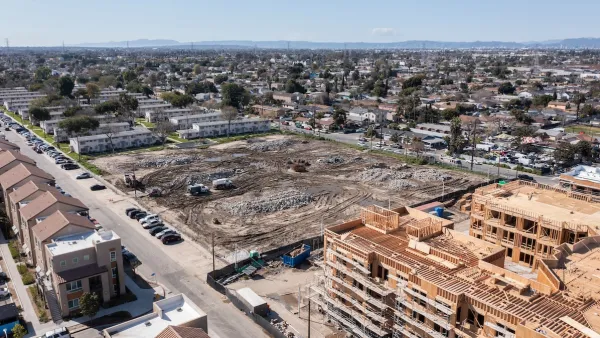
New California Law Supports Adaptive Reuse
AB 2243 paves the way for easier conversion of industrially and commercially zones properties for residential development.
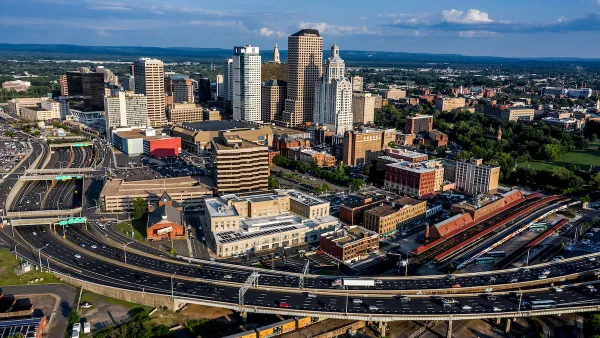
Connecticut Bill Could Streamline Adaptive Reuse
The proposed law would exempt some conversion projects from local zoning regulations.
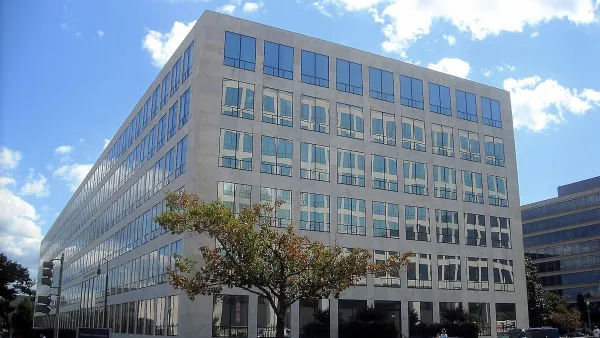
Legislation Introduced to Support Adaptive Reuse of Federal Buildings
The proposed bill would promote the conversion of vacant and underused buildings into affordable housing.

Planetizen Federal Action Tracker
A weekly monitor of how Trump’s orders and actions are impacting planners and planning in America.

California plans to bury El Niño’s downpour
If the state plays its cards right, it may be able to store a billion acre-feet of El Niño’s water in aquifers.

Chicago breaks ground on $3 billion megadevelopment
The new neighborhood, titled Foundry Park, will one day host 3,700 residences.

Satanic Place Names
From streams and lakes to valleys and canyons, I mapped more than 1,000 places named after the Devil.

California High-Speed Rail Authority CEO resigns after $600,000 scandal
Under Ian Choudri, the authority used taxpayer dollars to fund first class flights and trips to nightclubs.

Want to study the Missouri River? Soon, you may need unanimous approval from 10 states
Legislation would require 10 governors’ permission to study or build projects moving water outside the basin.

FREE Course: Walkable City 1: Why Walkability?
After describing his path towards focusing on walkability as the essence of good planning, Jeff Speck marches through his five principal reasons for making more walkable places.
Reinventing Malls: Planning Alchemy—Turning Gray Fields Into Gold
The course focuses on the opportunities and imperatives that shape reinvention of mall sites.

City of Rosemead
Rutgers University, Edward J. Bloustein School of Planning and Public Policy
One Hundred Miles
Hunter College, City University of New York (CUNY)
The Architects Foundation
University of Cincinnati Online
City of Cambridge
Montrose County
The Pocatello Development Authority