The adaptive reuse of office buildings for residential and other uses will grow by as much as 63 percent in 2024 over last year.


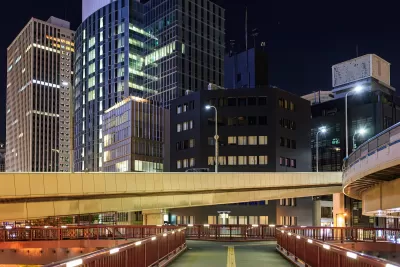
Office conversion projects in the United States are expected to increase by 63 percent in 2024 over 2023, according to real estate services company CBRE.
Writing in Smart Cities Dive, Nish Amarnath notes that 73 adaptive reuse projects are already completed, while 30 more are expected to be finished by the end of the year. “Office-to-multifamily housing projects account for nearly 75% of the conversion pipeline in Q3, up from 63% in the first quarter, per the report.” In some cases, conversion can cost up to 30 percent less than new construction.
The growth comes as the demand for office space continues to lag far below pre-pandemic levels in most cities and the housing crisis rages on. At the same time, cities and states are adjusting regulations to encourage adaptive reuse and make conversions easier and more cost-effective.
The report adds that office-to-multifamily conversion projects have created 28,000 housing units since 2016. “The growing conversion activity is anticipated to reshape business-centric districts into dynamic mixed-use neighborhoods, the firm says.”
While not all office buildings are appropriate for residential conversion, some are also being transformed into life sciences facilities, hotels, and other types of uses.
FULL STORY: US office conversions could be up 63% in 2024 as cities remove barriers, real estate company says

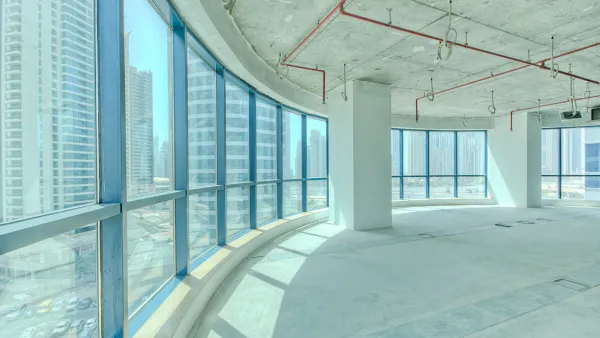
Co-living ‘Microapartments’ Cost Half as Much to Build as Typical Studios
In 10 major U.S. metros, an analysis found that converting office buildings to small co-living units could dramatically cut the costs of construction.
Office Conversions Have Increased Every Year This Decade
Since the pandemic, office vacancy rates remain high, leading many cities to adjust zoning codes to accommodate adaptive reuse.
Texas Bill Supports Adaptive Reuse in Commercial Areas
Senate Bill 840, which was preliminarily approved by the state House, would allow residential construction in areas previously zoned for offices and commercial uses.

Planetizen Federal Action Tracker
A weekly monitor of how Trump’s orders and actions are impacting planners and planning in America.

The state-sanctioned urbicide of Austin
People don’t kill cities. Freeways do.

US to reduce Colorado River water deliveries to Mexico
A new Colorado Treaty amendment reduces Mexico’s Colorado River water allocation by 250,000 acre feet.

Mamdani overhauls NYC's Vision Zero plan with 100 new policy goals
The overhaul aims to reduce traffic deaths and make streets safer for pedestrians, cyclists and drivers through lower speed limits, new safety infrastructure and more.

Amtrak not solely to blame for New Jersey commuter rail's unreliability, report finds
A new study from the Garden State Initiative found that NJ Transit’s budget grew 20% across a 4 year period, but reliability declined significantly over the same period.

EPA erases limits on planet-warming pollution from power plants
Under Monday’s plan, power plants would still have some limits on how much mercury, arsenic and other contaminants they can emit.

FREE Course: Walkable City 1: Why Walkability?
After describing his path towards focusing on walkability as the essence of good planning, Jeff Speck marches through his five principal reasons for making more walkable places.
Reinventing Malls: Planning Alchemy—Turning Gray Fields Into Gold
The course focuses on the opportunities and imperatives that shape reinvention of mall sites.

Eagle County Government
Harvard University Graduate School of Design
Nashville Planning Department
The Architects Foundation
University of Cincinnati Online
The Pocatello Development Authority
The Urban Renewal Agency of the City of Pocatello
Journal of the American Planning Association