California has introduced new standards to protect indoor workers from extreme heat, requiring cool-down areas and cold water in workplaces like car washes and warehouses.


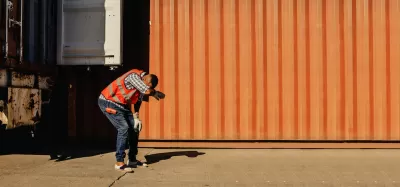
California has recognized the growing danger of heat-related illnesses in indoor workplaces, where temperatures can become dangerously high, especially during the summer. Between 2010 and 2017, at least seven workers in such environments died from heat-related causes, highlighting the need for better protections. These workers often labor in settings like indoor car washes and warehouses, which can become hotter than the outside environment, posing serious health risks.
Despite the significant risks posed by indoor heat, much of the state's focus has historically been on protecting outdoor workers, such as those in agriculture. Ali Frazzini from the Los Angeles County Chief Sustainability Office pointed out that indoor workers are also at significant risk, particularly in facilities lacking air conditioning such as warehouses.
In response to these concerns, California has now established new standards to safeguard indoor workers. These standards include providing access to cool-down areas, cold water, and other protective measures to ensure that workers remain safe as temperatures rise due to global warming. These regulations mark a critical step in expanding worker protections beyond outdoor settings.
Read the full story: California moves to protect indoor workers from deadly heat

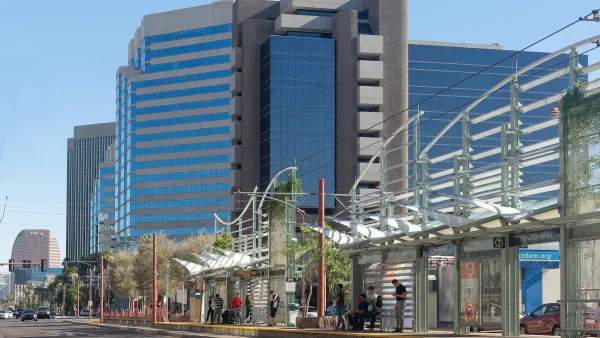
Cool Routes app plots shady walks in arid Arizona
Alternate routes provided by the app reduced the heat experienced during the walk by an average of 4.5 degrees.

The Urban Heat Divide: Addressing LA’s Thermal Inequities
LA's thermal inequities leave low-income, minority neighborhoods disproportionately hotter and more vulnerable, prompting advocacy and policy efforts to address these disparities through green infrastructure and equitable climate investments.
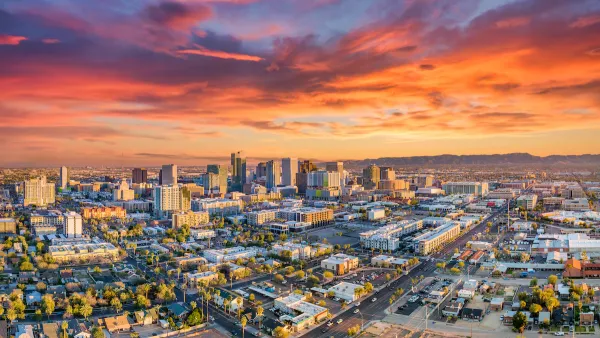
Phoenix Nonprofit Offers Medical Services to Unhoused Residents
The mobile medical units are administering IV fluids and treating heat-related illnesses as extreme heat blankets the Southwest.

Amtrak, CN end decades-long dispute with eight-year agreement
The new operating agreement establishes an updated framework for the companies to work together, including processes to resolve disputes.

Judges permit Denver to divert 77,000 acre feet from the Colorado River for reservoir expansion
Overuse and climate change have caused the Colorado River’s water levels to plummet.
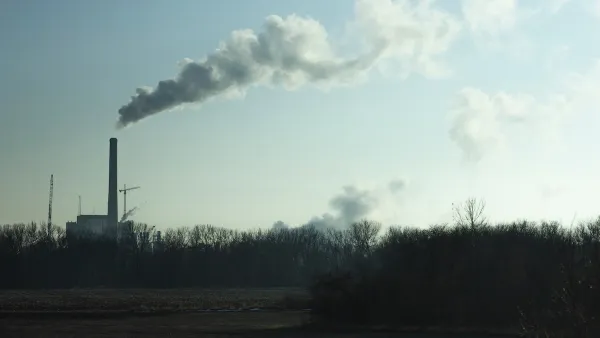
Nation's most wind-powered state turns to coal as data centers increase energy demand
For the first time in decades, Iowa has increased its generation of coal power.

Boston has spent millions making the Green Line more accessible — and there’s no end in sight
While the city has invested millions into expanding and adding platforms to the Green Line to make it more accessible, new train cars set to arrive next year will be too tall for disabled passengers to board without raising the current platforms.

Idaho may see an 18% drop in federal surface transit funding — the largest estimated cut in the US
Transit systems in rural communities are much more reliant on federal funding to provide their services.

How ‘post-disaster gentrification’ alters neighborhoods after natural calamities
After hurricanes, fires or other calamities, the original residents of a community are often replaced by younger, wealthier residents.

FREE Course: Walkable City 1: Why Walkability?
After describing his path towards focusing on walkability as the essence of good planning, Jeff Speck marches through his five principal reasons for making more walkable places.
Reinventing Malls: Planning Alchemy—Turning Gray Fields Into Gold
The course focuses on the opportunities and imperatives that shape reinvention of mall sites.

City of Wisconsin Rapids
Harvard University Graduate School of Design
KFH Group Inc.
The Architects Foundation
University of Cincinnati Online
The Pocatello Development Authority
The Urban Renewal Agency of the City of Pocatello