Like Paris, the city has been working to improve its wastewater system and make local waterways safe for swimming.


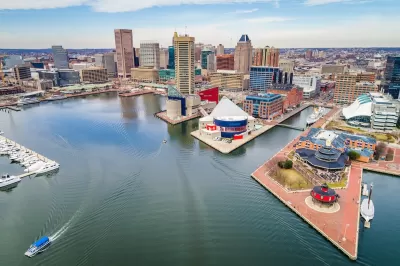
In an article for NPR, Adam Bearne highlights the city of Baltimore’s efforts to clean its waterways and make them safe for swimming.
As Bearne explains, “Baltimore was forced into action by a 2002 federal consent decree. This summer, over two decades later, residents were finally able to dive in.” The city spent billions on upgrading its sewer system to prevent human waste from entering the Inner Harbor.
According to a representative of the Waterfront Partnership, the Inner Harbor is now safe for swimming roughly 80 percent of the time. After heavy rains, sewers overflow and rain washes animal waste and other debris into local streams.
Advocacy group Blue Water Baltimore monitors local water quality for bacteria. “They also check how much nitrogen, phosphorus and oxygen it contains, as well as other measures of the health of the waterways.” A 2023 report from the group found high levels of harmful bacteria in much of Baltimore’s watershed.
FULL STORY: Like Paris, Baltimore knows the struggle of cleaning up water for swimming

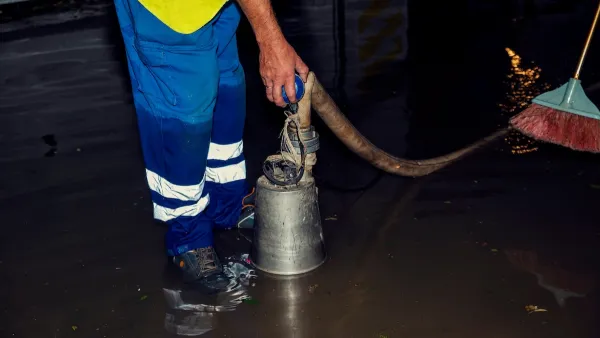
Baltimore Sewer Backup Assistance Programs Stall
Two programs aimed at helping residents safely clean up overflows caused by aging pipes are in limbo due to a dispute between the city and the EPA.
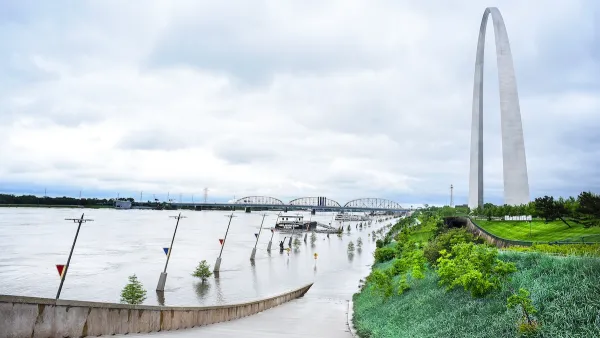
St. Louis has a Secret Stormwater Weapon Saving 100 Million Gallons from the Mississippi
The city reimburses residents who install gardens, rain barrels, and other methods that retain stormwater and decrease the risk of flooding.
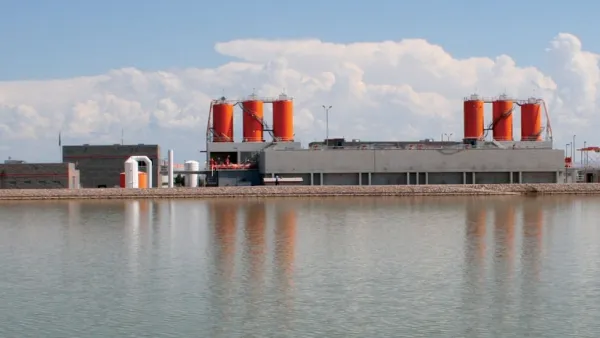
El Paso Wastewater Purification Facility Breaks Ground
As water supplies become strained and technology advances, cities look to wastewater as a viable source of drinking water.

Planetizen Federal Action Tracker
A weekly monitor of how Trump’s orders and actions are impacting planners and planning in America.

The state-sanctioned urbicide of Austin
People don’t kill cities. Freeways do.

US to reduce Colorado River water deliveries to Mexico
A new Colorado Treaty amendment reduces Mexico’s Colorado River water allocation by 250,000 acre feet.

Mamdani overhauls NYC's Vision Zero plan with 100 new policy goals
The overhaul aims to reduce traffic deaths and make streets safer for pedestrians, cyclists and drivers through lower speed limits, new safety infrastructure and more.

Amtrak not solely to blame for New Jersey commuter rail's unreliability, report finds
A new study from the Garden State Initiative found that NJ Transit’s budget grew 20% across a 4 year period, but reliability declined significantly over the same period.

EPA erases limits on planet-warming pollution from power plants
Under Monday’s plan, power plants would still have some limits on how much mercury, arsenic and other contaminants they can emit.

FREE Course: Walkable City 1: Why Walkability?
After describing his path towards focusing on walkability as the essence of good planning, Jeff Speck marches through his five principal reasons for making more walkable places.
Reinventing Malls: Planning Alchemy—Turning Gray Fields Into Gold
The course focuses on the opportunities and imperatives that shape reinvention of mall sites.

Eagle County Government
Harvard University Graduate School of Design
Nashville Planning Department
The Architects Foundation
University of Cincinnati Online
The Pocatello Development Authority
The Urban Renewal Agency of the City of Pocatello
Journal of the American Planning Association