Communities dating back to the 1830s are under threat from development, pollution, and zoning regulations.


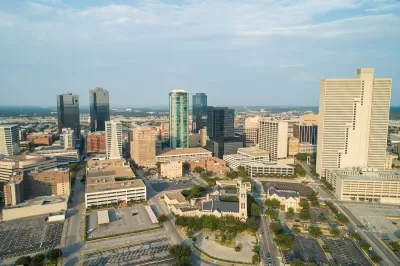
A team of researchers from the University of Texas Arlington is working with a historic Black settlement in Fort Worth to preserve the area’s remaining residents and history. “According to the project, these communities have declined because of gentrification, cultural erasure, natural disasters, urban renewal and land dispossession.”
As Kamal Morgan explains in an article in Governing, “Historical Black settlements in North Texas have been threatened for decades by growth. Surviving communities like Garden of Eden must deal with the consequences of urban development and environmental contamination that put their health and safety at risk.”
Now, the research team is using a $40,000 grant to map Black settlements along the Trinity River and “create a design playbook to the needs of historic Black settlements in the Metroplex experiencing environmental issues due to explosive urban development.”
According to the researchers, “Cities can do better in supporting the families’ connections to their communities and land, instead of allowing potentially hazardous development around them.”
The university team developed a set of proposals that could address environmental and land use issues such as pollution, stormwater, transportation, and parks. “Students created projects with multiple ideas such as having a green infrastructure network to deal with stormwater drainage, an urban sponge to absorb water. There were also suggestions of a park, neighborhood commercial area, and a train station.”
Read the full story: ‘We Were Here Before Fort Worth’: The Struggle to Preserve Historic Black Settlements

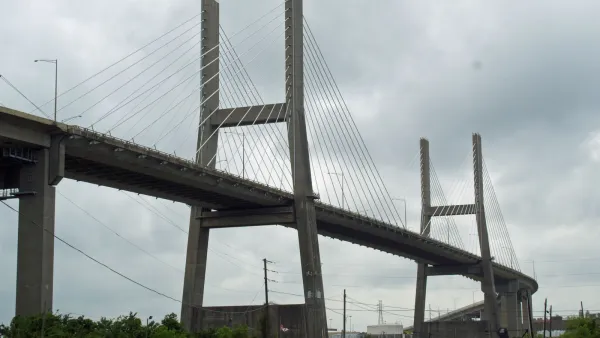
Historic Black Alabama Community Fights Displacement for Concrete Plant
Residents of Mobile’s Africatown neighborhood say building a concrete plant near homes and a historic site is “a step backwards.”
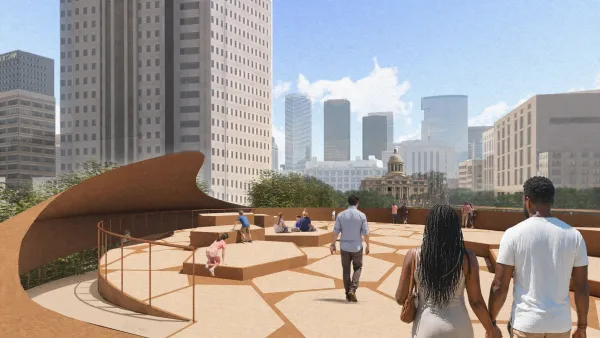
Multi-sensory Remembrance Park in Houston will honor Black history
The park is designed to highlight and memorialize the experience of enslaved Americans and the fight for freedom in Harris County.
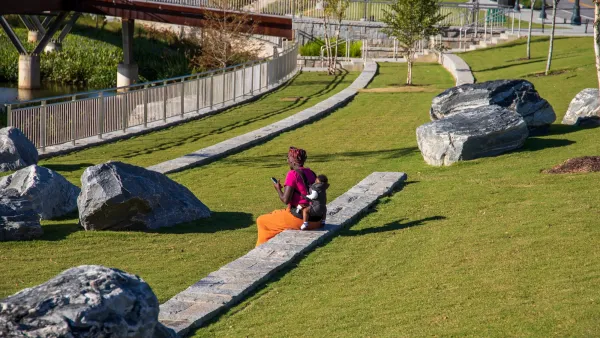
Atlanta Flood Prevention Efforts are Causing ‘Climate Gentrification’ in its Black Communities
New infrastructure in neighborhoods that have borne the brunt of seasonal floods is making them safer — and more expensive.

Planetizen Federal Action Tracker
A weekly monitor of how Trump’s orders and actions are impacting planners and planning in America.

The state-sanctioned urbicide of Austin
People don’t kill cities. Freeways do.

US to reduce Colorado River water deliveries to Mexico
A new Colorado Treaty amendment reduces Mexico’s Colorado River water allocation by 250,000 acre feet.

Nation's most wind-powered state turns to coal as data centers increase energy demand
For the first time in decades, Iowa has increased its generation of coal power.

NYC cools commuters with city's first rain garden above a bus stop
New York City officials say the plants in the rain garden can absorb 16 gallons of rainwater during heavy storms.

Brightline West’s future may rely on $6 billion federal loan
The company has until Nov. 2 to make a $400 million equity investment into its proposed high-speed rail line.

FREE Course: Walkable City 1: Why Walkability?
After describing his path towards focusing on walkability as the essence of good planning, Jeff Speck marches through his five principal reasons for making more walkable places.
Reinventing Malls: Planning Alchemy—Turning Gray Fields Into Gold
The course focuses on the opportunities and imperatives that shape reinvention of mall sites.

Greater Baltimore Committee
Eagle County Government
Harvard University Graduate School of Design
The Architects Foundation
University of Cincinnati Online
The Pocatello Development Authority
The Urban Renewal Agency of the City of Pocatello
Journal of the American Planning Association