County officials hope the zoning changes will help boost the housing supply in the region.


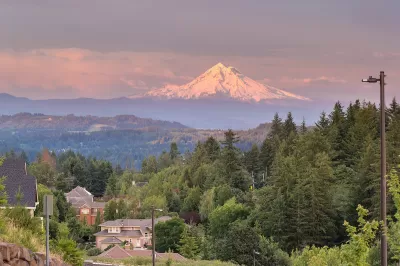
Clackamas County, Oregon residents will be allowed to include accessory dwelling units (ADUs) and recreational vehicles (RVs) as secondary housing units on properties in Rural Residential zones.
According to an article in Mountain Times by Adrian Knowler, “ADUs are defined as permanent dwellings that include a kitchen, bathroom, and are permitted and connected to utilities, principal planner Martha Fritzie told the commissioners. She noted that ADUs can be either detached buildings, internal conversions or extensions of existing houses.”
The new rules apply to properties larger than two acres. ADUs must be no larger than 900 square feet, while RVs must be equipped with permanent essential services like water and sewage disposal. The rules also prohibit renting these units as short-term rentals.
As Knowler notes, “The proposal came as state laws on land use have changed over the previous three legislative sessions. State law previously had prohibited ADUs outside urban growth boundaries such as the rurally designated Mount Hood Corridor.”
Read the full story: New (Clackamas) County Rules Allow Auxiliary Dwelling Units, RVs as Second Dwellings
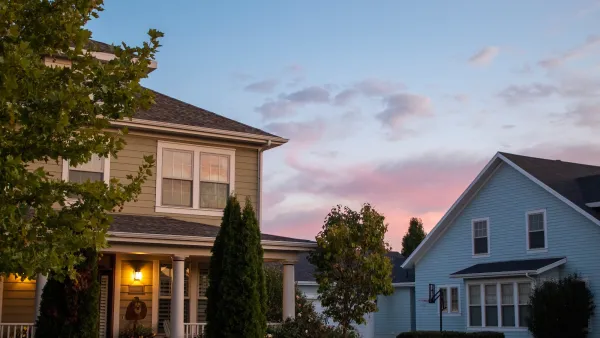
Salt Lake City Could Allow Backyard Homes on up to 3/4 of Residential Lots
A proposed zoning change would expand the residential areas where accessory units can be built.

Massachusetts Zoning Reform Sparks ADU Surge
A 2024 law and a 2025 assistance program have spurred a flurry of ADU projects across the state.
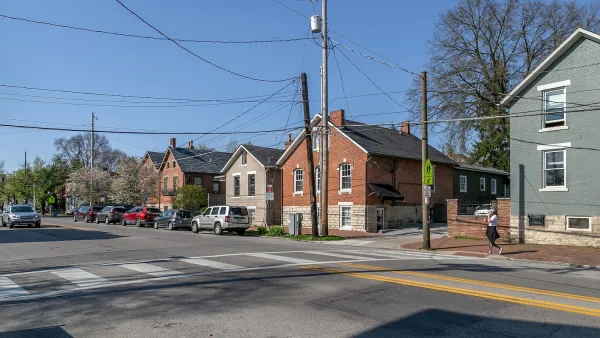
Columbus Introduces New Rules Allowing ADUs in all Residential Districts
The city’s recent zoning code updates include new rules for secondary housing units.

Planetizen Federal Action Tracker
A weekly monitor of how Trump’s orders and actions are impacting planners and planning in America.

California plans to bury El Niño’s downpour
If the state plays its cards right, it may be able to store a billion acre-feet of El Niño’s water in aquifers.

Desperate measures: Advocates weigh draining Lake Powell to fill Colorado River
Draining the reservoir could reduce evaporation losses by a couple hundred thousand acre-feet.

Los Angeles just elected an urban planner as its mayor
Transportation analysts are optimistic that Raman will be more aggressive in addressing transit issues than Bass.

Mamdani’s pied-à-terre tax survives legal challenge
A panel of judges found that the plaintiffs failed to demonstrate injury as a result of New York City's implementation of the tax.

Eastern Nebraska is running out of electricity
Data centers and electrification are straining eastern Nebraska’s grid, throttling economic development.

FREE Course: Walkable City 1: Why Walkability?
After describing his path towards focusing on walkability as the essence of good planning, Jeff Speck marches through his five principal reasons for making more walkable places.
Reinventing Malls: Planning Alchemy—Turning Gray Fields Into Gold
The course focuses on the opportunities and imperatives that shape reinvention of mall sites.

City of Rosemead
Rutgers University, Edward J. Bloustein School of Planning and Public Policy
One Hundred Miles
University of Michigan School for Environment and Sustainability (SEAS)
Hunter College, City University of New York (CUNY)
The Architects Foundation
City of Cambridge
Montrose County
The Pocatello Development Authority