A potentially toxic algal bloom has turned Clear Lake in Northern California bright green, fed by increased runoff from human activity.


“Clear Lake, one of California’s oldest and most-visited lakes, is not so clear anymore after an algal bloom turned the water cloudy and green,” reports Terry Castleman for the Los Angeles Times. Located about 60 miles north of the San Francisco Bay, the 43,000-acre freshwater lake is a popular destination for boaters, fishers, and swimmers, but those activities will likely be affected for weeks to come.
The bloom may be comprised of blue-green algae, also known as cyanobacteria, which produce a toxin that can irritate the skin and cause liver and kidney damage. According to Nasa, “Algal blooms have been common in Clear Lake’s long history, but have grown more common with human activity in the last century,” including runoff from nearby farms, vineyards, faulty septic systems, gravel mines, and an abandoned open-pit mercury mine, as well as from nonnative carp stirring up the nutrients in the lake bed’s sediment.
Cyanobacteria is the same type of toxic algae that has bloomed extensively in Lake Erie over the last several years, most notably in 2014 when residents in Toledo, Ohio, were unable to drink, cook with, or brush their teeth with water for three days. States across the country are dealing with algae blooms due to nutrient run-off, impacting local water quality and water-based tourism, including Cape Cod.
Read the full story: Shocking before-and-after photos show California’s famed Clear Lake turn bright green

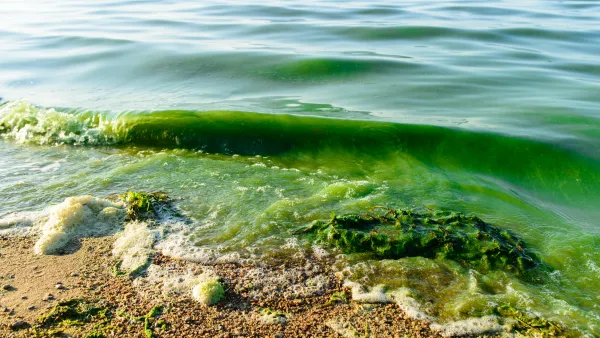
Predicting Toxic Algae Blooms with AI Modeling
Scientists hope to use AI and machine learning models to forecast water quality issues caused by toxic blue-green algae blooms.
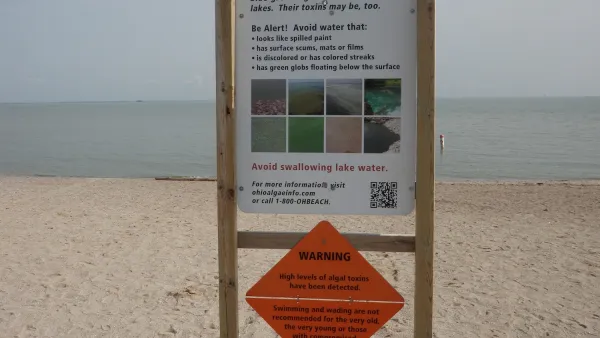
NOAA Great Lakes Lab Loses Key Funding
Cuts at a lab that monitors water quality in the Great Lakes region could harm efforts to prevent dangerous algal blooms.
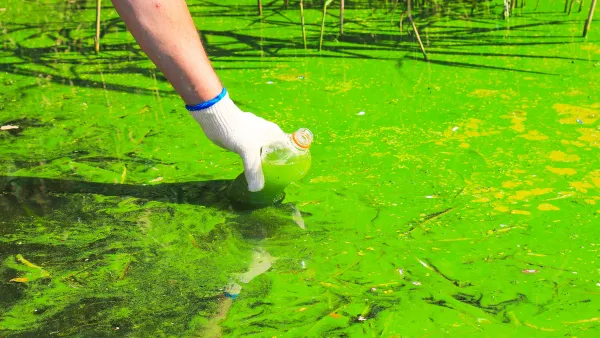
Cape Cod Water Quality Threatened by Septic Runoff
Pollutants from local septic tanks are creating problematic algae blooms in local waters. Cleaning it all up could cost billions.

Planetizen Federal Action Tracker
A weekly monitor of how Trump’s orders and actions are impacting planners and planning in America.

Colorado’s Largest Data Center Could Rise Next to Homes — Without a Public Hearing
The proposed campus would consume 11 times the power of Denver International Airport; as it has across the country, opposition mounts.

US to reduce Colorado River water deliveries to Mexico
A new Colorado Treaty amendment reduces Mexico’s Colorado River water allocation by 250,000 acre feet.

'This is going to be painful:’ Virginia stares down $1.7 billion funding gap for highway maintenance
The state may address the deficit by shifting $290 million from its construction budget to maintenance projects.
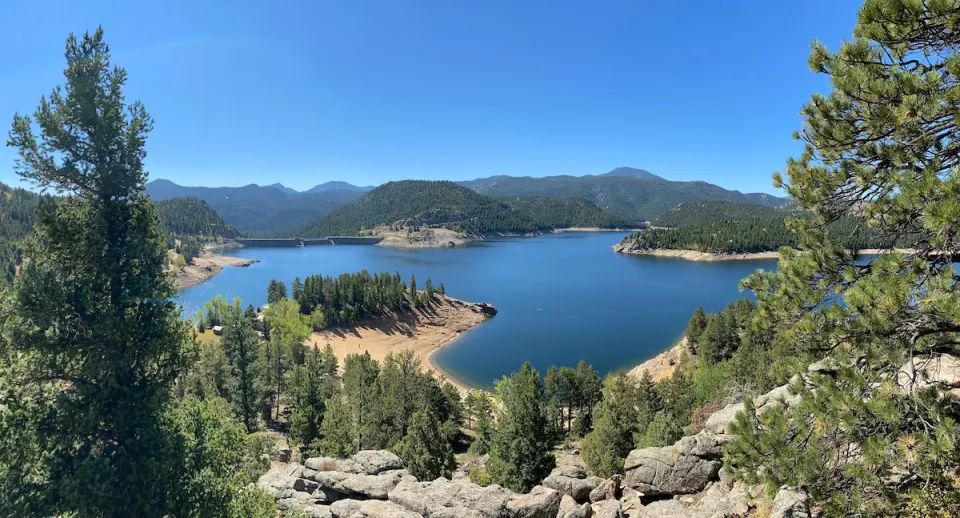
Judges permit Denver to divert 77,000 acre feet from the Colorado River for reservoir expansion
Overuse and climate change have caused the Colorado River’s water levels to plummet.

Amtrak, CN end decades-long dispute with eight-year agreement
The new operating agreement establishes an updated framework for the companies to work together, including processes to resolve disputes.

FREE Course: Walkable City 1: Why Walkability?
After describing his path towards focusing on walkability as the essence of good planning, Jeff Speck marches through his five principal reasons for making more walkable places.
Reinventing Malls: Planning Alchemy—Turning Gray Fields Into Gold
The course focuses on the opportunities and imperatives that shape reinvention of mall sites.

KFH Group Inc.
Greater Baltimore Committee
Eagle County Government
The Architects Foundation
University of Cincinnati Online
The Pocatello Development Authority
The Urban Renewal Agency of the City of Pocatello