Pollutants from local septic tanks are creating problematic algae blooms in local waters. Cleaning it all up could cost billions.


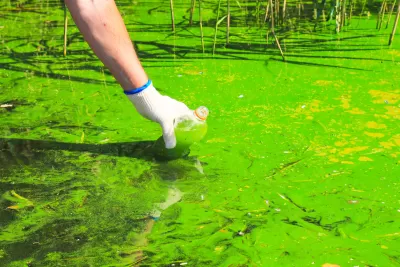
Toxic algae blooms are threatening the Cape Cod ecosystem and the health of local residents, reports Barbara Moran for WBUR.
In fact, “90% of Cape Cod's coastal bays and more than a third of its ponds have ‘unacceptable’ water quality, according to the nonprofit Association to Preserve Cape Cod's annual State of the Waters report.”
The source of the pollution is mainly local septic systems that leach nitrogen and phosphorus into the groundwater. “About 85% of Cape Cod properties use septic systems to manage household waste, and experts say the technology is not up to the job.” New state regulations charge cities with cleaning this up and installing citywide sewer systems, but the cost will reach into the billions. “The town of Orleans, for example, is building a new treatment plant for about $34 million and expanding sewer lines for millions of dollars more.”
Some homeowners are taking matters into their own hands and installing upgraded septic systems that treat waste at the source, but these, too, come at a high cost and do not filter all harmful contaminants.
Read the full story: Cape Cod needs to clean up its water. The solutions could cost billions
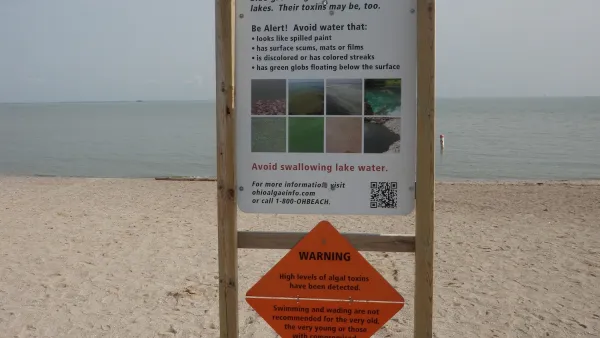
NOAA Great Lakes Lab Loses Key Funding
Cuts at a lab that monitors water quality in the Great Lakes region could harm efforts to prevent dangerous algal blooms.
Supreme Court Could Curb EPA’s Water Quality Regulation Powers
A suit brought by the city of San Francisco argues that the agency’s language around water treatment and discharge is too vague and imposes retroactive penalties.
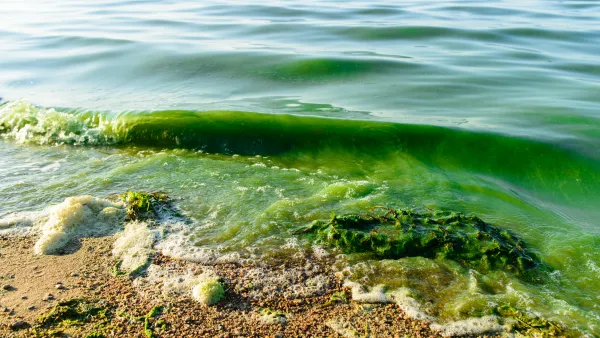
Predicting Toxic Algae Blooms with AI Modeling
Scientists hope to use AI and machine learning models to forecast water quality issues caused by toxic blue-green algae blooms.

Planetizen Federal Action Tracker
A weekly monitor of how Trump’s orders and actions are impacting planners and planning in America.

California plans to bury El Niño’s downpour
If the state plays its cards right, it may be able to store a billion acre-feet of El Niño’s water in aquifers.

Desperate measures: Advocates weigh draining Lake Powell to fill Colorado River
Draining the reservoir could reduce evaporation losses by a couple hundred thousand acre-feet.

Chicago voters approve permanent festival grounds, penalty for vacant property owners
Currently, major summer and fall festivals take over public parks for weeks at a time, drawing criticism from nearby residents

NYC votes to cut outdoor dining red tape, speed up permitting
New York City also voted to allow the Department of Transportation to begin work on urgent projects before notifying elected officials.

California appears to reject Prop. 45
The proposition would have expanded the projects that qualify for a streamlined environmental review, effectively paring down the California Environmental Quality Act.

FREE Course: Walkable City 1: Why Walkability?
After describing his path towards focusing on walkability as the essence of good planning, Jeff Speck marches through his five principal reasons for making more walkable places.
Reinventing Malls: Planning Alchemy—Turning Gray Fields Into Gold
The course focuses on the opportunities and imperatives that shape reinvention of mall sites.

City of Rosemead
Rutgers University, Edward J. Bloustein School of Planning and Public Policy
One Hundred Miles
Hunter College, City University of New York (CUNY)
The Architects Foundation
University of Cincinnati Online
City of Cambridge
Montrose County
The Pocatello Development Authority