Already understaffed, most of the nation’s transit agencies will need to replace a majority of their workers due to retirement, but recruitment efforts are not yet keeping up with the need.



Public transit agencies will have to replace most of their maintenance workers by the end of the decade, according to a new report from TransitCenter.
Writing in Governing, Jared Brey explains, “The report, Developing Transit Talent Pipelines, is the last in a series that has examined workforce challenges in the industry over the last several years.” As many transit workers reach retirement age and recruitment lags, agencies “have much more work to do to solve the challenge — and prevent it from making public transit’s woes much worse.” Currently, roughly 13 percent of mechanic positions in the industry are vacant, forcing service cuts in some fleets.
The report concludes with recommendations for filling staffing gaps that include apprenticeship programs, expanded efforts to recruit diverse populations, competitive compensation, good workplace culture, and more funding directed to workforce development. “Above all, transit agencies need to steadily improve job quality to make transit jobs attractive to young workers.”
FULL STORY: Transit Agencies Must Replace Most Maintenance Workers This Decade


TSA Suggests More Background Checks for Transit Workers
The proposal could make it even harder for short-staffed agencies to attract and hire new employees.
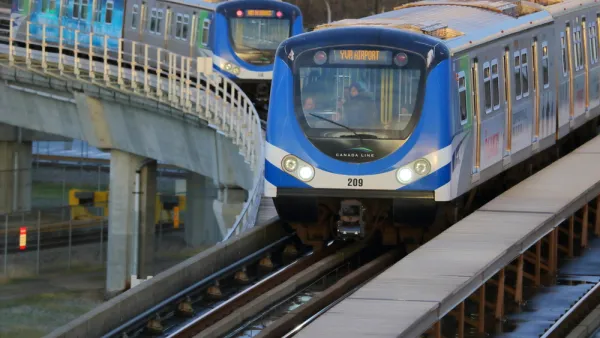
1,500 Temporary Layoffs for Transit Workers in Vancouver
Sad days for public transit agencies in Canadian cities could be a sign of layoffs to come for U.S. transit agencies.
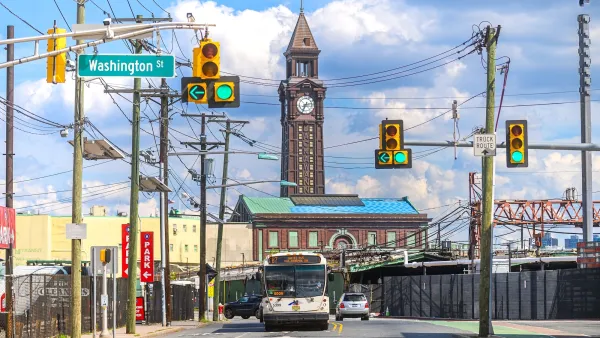
New Jersey has a Plan to buy Transit with LAND. Will it Actually Work?
I have questions.

Planetizen Federal Action Tracker
A weekly monitor of how Trump’s orders and actions are impacting planners and planning in America.

The state-sanctioned urbicide of Austin
People don’t kill cities. Freeways do.

US to reduce Colorado River water deliveries to Mexico
A new Colorado Treaty amendment reduces Mexico’s Colorado River water allocation by 250,000 acre feet.

5 New England states march closer to 800 megawatt wind energy project
Securing federal approval for the project may be complicated under the Trump administration, which has historically been hostile towards domestic wind power.

Baltimore to break ground on $50 million Transit Priority Project
The project will bring faster bus trips, safer streets and better bike connections to Baltimore.

Airbnb launches $250 million 'last-dollar financing' housing accelerator, makes first investment in Austin
The company will put $6.4 million towards affordable housing development in Texas’ capital.

FREE Course: Walkable City 1: Why Walkability?
After describing his path towards focusing on walkability as the essence of good planning, Jeff Speck marches through his five principal reasons for making more walkable places.
Reinventing Malls: Planning Alchemy—Turning Gray Fields Into Gold
The course focuses on the opportunities and imperatives that shape reinvention of mall sites.

Eagle County Government
Harvard University Graduate School of Design
Nashville Planning Department
The Architects Foundation
University of Cincinnati Online
The Pocatello Development Authority
The Urban Renewal Agency of the City of Pocatello
Journal of the American Planning Association