A law awaiting the governor’s signature establishes wage rates for drivers. Ride share companies say if the law passes, they plan to continue service in the state.



The Minnesota House of Representatives approved a plan that will keep Uber, Lyft, and other ride share providers in the state. “Passed 71-59 by the House and included in the transportation, labor and housing conference committee report is a plan to pay rideshare drivers $1.28 per mile and 31 cents per minute with a $5 minimum per ride.”
According to a press release from the Minnesota House, “HF4746, as amended, would also grant drivers the right to appeal a deactivation, providing an avenue to possibly reactivate their account on a rideshare app, and appropriate $173,000 in fiscal year 2025 from the General Fund for enforcement, education, and outreach, with annual base of $123,000 beginning in fiscal year 2026.”
The bill does not change drivers’ independent contractor status, but does require companies to provide insurance and compensation for injuries incurred while working. “Officials representing Uber and Lyft assured the conference committee Sunday that the two companies would continue to operate in Minnesota.”
FULL STORY: House lawmakers pass agreement that would keep Uber, Lyft operating in Minnesota

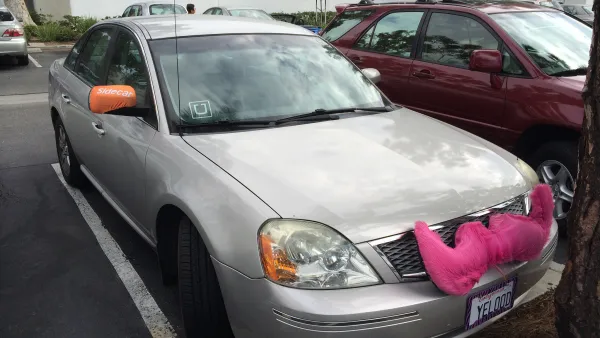
Study: Ride-Sharing Increases Urban Congestion
New research shows that ride sharing contributes to increased congestion and decreased transit ridership.
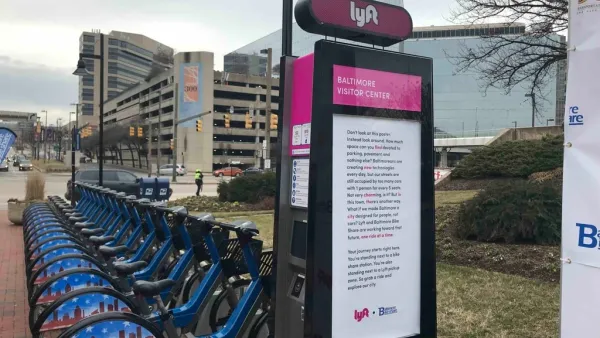
Uber and Lyft: A Tale of Two Companies
After years of resisting efforts by cities to regulate their business and constant—but unprofitable—growth, Uber and Lyft are homing in on their unique strengths.
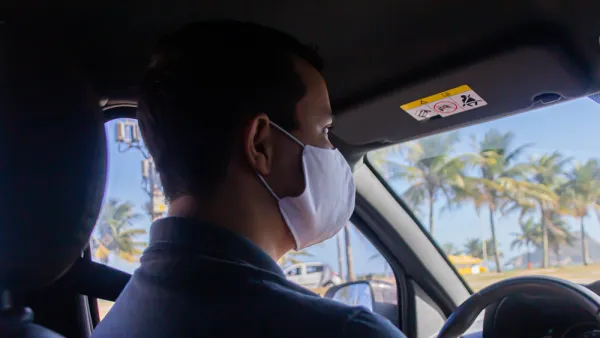
The Post-Pandemic Future of Rideshare
With pooled services suspended through the pandemic and research showing most users prefer private rides, will shared rides continue to play a role in urban transportation?

Planetizen Federal Action Tracker
A weekly monitor of how Trump’s orders and actions are impacting planners and planning in America.

The state-sanctioned urbicide of Austin
People don’t kill cities. Freeways do.

US to reduce Colorado River water deliveries to Mexico
A new Colorado Treaty amendment reduces Mexico’s Colorado River water allocation by 250,000 acre feet.

Mamdani overhauls NYC's Vision Zero plan with 100 new policy goals
The overhaul aims to reduce traffic deaths and make streets safer for pedestrians, cyclists and drivers through lower speed limits, new safety infrastructure and more.

Amtrak not solely to blame for New Jersey commuter rail's unreliability, report finds
A new study from the Garden State Initiative found that NJ Transit’s budget grew 20% across a 4 year period, but reliability declined significantly over the same period.

EPA erases limits on planet-warming pollution from power plants
Under Monday’s plan, power plants would still have some limits on how much mercury, arsenic and other contaminants they can emit.

FREE Course: Walkable City 1: Why Walkability?
After describing his path towards focusing on walkability as the essence of good planning, Jeff Speck marches through his five principal reasons for making more walkable places.
Reinventing Malls: Planning Alchemy—Turning Gray Fields Into Gold
The course focuses on the opportunities and imperatives that shape reinvention of mall sites.

Eagle County Government
Harvard University Graduate School of Design
Nashville Planning Department
The Architects Foundation
University of Cincinnati Online
The Pocatello Development Authority
The Urban Renewal Agency of the City of Pocatello
Journal of the American Planning Association