A set of changes to land use and zoning regulations could help maintain housing affordability and promote mixed-use development in the city.



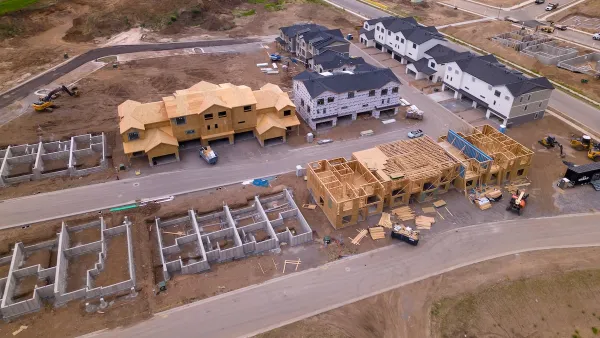
The City of Columbus is considering a major revision to its zoning code. Like leaders in other cities, Columbus officials hope changes to land use regulations, zoning, and transportation infrastructure can support population growth and housing affordability in the region.
An article in JD Supra outlines the key changes proposed in the plan, which include:
- Six new mixed-use districts that will offer more flexibility for development.
- Increased building height limits that could permit denser multifamily projects.
- Reduced parking requirements to cut down on construction costs.
According to the article, “The zoning code update is expected to support the creation of 88,000 new homes, addressing 44% of the region’s housing demand over the next decade. This significant solution to the region’s mounting housing pressures could lead to a more equitable, vibrant, and sustainable future for the City.” The public can comment on the proposed changes until June 10.
FULL STORY: Reshaping the Skyline: The Modernization of the City of Columbus Zoning Code


A Look at Milwaukee’s Proposed Zoning Reform
The proposed changes would permit more flexible housing development while limiting changes in historic neighborhoods and on smaller streets.

LA Metro Opposes TOD Law, Fearing Backlash to Transit Expansion
Metro wants an exemption from California’s new housing law, despite the law’s potential to increase ridership by putting more housing near transit stations.
‘Montana Miracle:’ The State Actually Succeeding at Housing Reform
A series of ambitious zoning reforms is having a significant impact on the state’s housing supply.

Planetizen Federal Action Tracker
A weekly monitor of how Trump’s orders and actions are impacting planners and planning in America.

The state-sanctioned urbicide of Austin
People don’t kill cities. Freeways do.

US to reduce Colorado River water deliveries to Mexico
A new Colorado Treaty amendment reduces Mexico’s Colorado River water allocation by 250,000 acre feet.

5 New England states march closer to 800 megawatt wind energy project
Securing federal approval for the project may be complicated under the Trump administration, which has historically been hostile towards domestic wind power.

Baltimore to break ground on $50 million Transit Priority Project
The project will bring faster bus trips, safer streets and better bike connections to Baltimore.

Airbnb launches $250 million 'last-dollar financing' housing accelerator, makes first investment in Austin
The company will put $6.4 million towards affordable housing development in Texas’ capital.

FREE Course: Walkable City 1: Why Walkability?
After describing his path towards focusing on walkability as the essence of good planning, Jeff Speck marches through his five principal reasons for making more walkable places.
Reinventing Malls: Planning Alchemy—Turning Gray Fields Into Gold
The course focuses on the opportunities and imperatives that shape reinvention of mall sites.

Eagle County Government
Harvard University Graduate School of Design
Nashville Planning Department
The Architects Foundation
University of Cincinnati Online
The Pocatello Development Authority
The Urban Renewal Agency of the City of Pocatello
Journal of the American Planning Association