The city’s active efforts to keep housing costs down through housing reforms and coordinated efforts among city agencies and developers have kept it one of the most affordable in the nation despite its rapid population growth.



In spite of San Antonio’s rapid growth, the Texas city has managed to keep rent and housing costs more affordable than other U.S. cities, writes Christoper Swope in Governing. “A Redfin Analysis found that middle-income residents in San Antonio can afford 87 percent of the homes listed for sale. Compare that to 10 percent in Las Vegas, 3 percent in Boston, and 0 percent in most of California’s big cities.”
This affordability is due in part to a Housing Policy Task Force started by Mayor Ron Nirenberg in 2017. The task force created a 10-year housing plan that aligned city resources with private-sector actors to develop affordable housing strategies. The city made zoning reforms such as permitting ADUs and offering density bonuses for affordable housing, brought a bond measure to voters that approved $150 million for housing programs, and is experimenting with community land trusts to keep housing costs down. The city also hired a ‘chief housing officer’ focused on coordinating efforts between stakeholders. “That came into play in writing new zoning rules aimed at building affordable housing around bus rapid transit lines planned to open in a few years,” Swope adds.
FULL STORY: Despite Growth, San Antonio’s Holding the Line on Rents

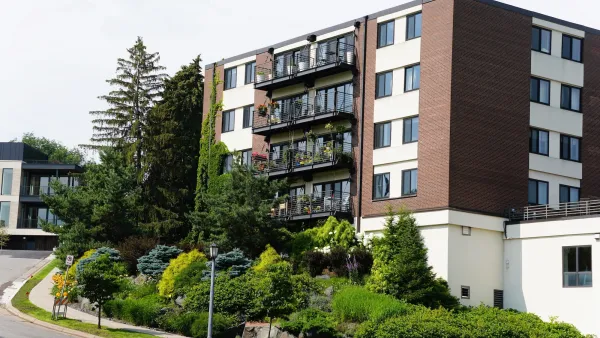
How policy changes helped Minneapolis beat rent inflation
Despite a boom in population, Minneapolis has managed to keep rents relatively steady through a combination of legislative action and private investment.
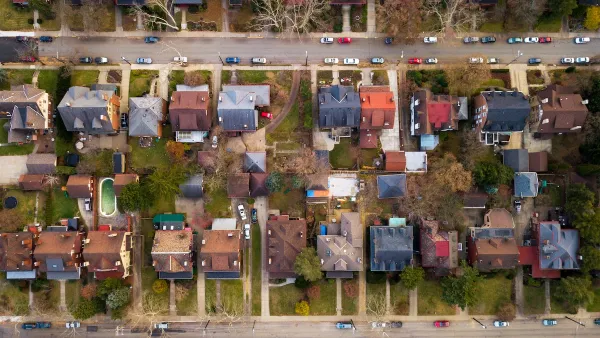
Can Zoning Reform Save Pittsburgh’s Affordable Housing?
With home sale prices growing faster than anywhere in the country, the Steel City could enact major reforms to boost density and lower housing costs.
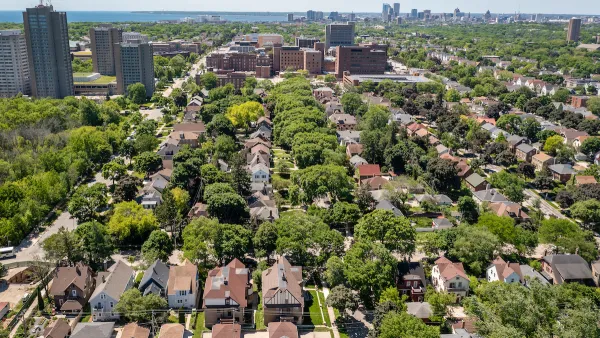
A Look at Milwaukee’s Proposed Zoning Reform
The proposed changes would permit more flexible housing development while limiting changes in historic neighborhoods and on smaller streets.

Planetizen Federal Action Tracker
A weekly monitor of how Trump’s orders and actions are impacting planners and planning in America.

The state-sanctioned urbicide of Austin
People don’t kill cities. Freeways do.

US to reduce Colorado River water deliveries to Mexico
A new Colorado Treaty amendment reduces Mexico’s Colorado River water allocation by 250,000 acre feet.

5 New England states march closer to 800 megawatt wind energy project
Securing federal approval for the project may be complicated under the Trump administration, which has historically been hostile towards domestic wind power.

Baltimore to break ground on $50 million Transit Priority Project
The project will bring faster bus trips, safer streets and better bike connections to Baltimore.

Airbnb launches $250 million 'last-dollar financing' housing accelerator, makes first investment in Austin
The company will put $6.4 million towards affordable housing development in Texas’ capital.

FREE Course: Walkable City 1: Why Walkability?
After describing his path towards focusing on walkability as the essence of good planning, Jeff Speck marches through his five principal reasons for making more walkable places.
Reinventing Malls: Planning Alchemy—Turning Gray Fields Into Gold
The course focuses on the opportunities and imperatives that shape reinvention of mall sites.

Eagle County Government
Harvard University Graduate School of Design
Nashville Planning Department
The Architects Foundation
University of Cincinnati Online
The Pocatello Development Authority
The Urban Renewal Agency of the City of Pocatello
Journal of the American Planning Association