Affordable housing is one piece of a larger, interconnected approach.


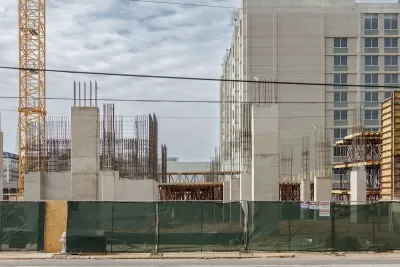
In an excerpt from Fragile Neighborhoods: Repairing American Society, One Zip Code at a Time published in Next City, Seth D. Kaplan calls for a more holistic approach to solving the related problems of poverty, housing insecurity, and a lack of economic opportunity.
Whether in an urban or suburban neighborhood, a suitable habitat should include a commercial center — an avenue, cluster of shops, or plaza — as well as parks, libraries, and houses of worship, which provide everyday facilities and services as well as places for people to gather and interact. And it should include transit points, connecting residents to people and opportunities outside the neighborhood, as well as contiguous sidewalks affording residents walkable access to other areas within the neighborhood.
Quoting sociologist Emily Talen, Kaplan notes that many “neighborhoods in the US are overwhelmingly not well serviced.” Residents with means move to other areas, leaving poor neighborhoods even more underresourced. For Kaplan, “Without healthy neighborhoods, school systems cannot improve educational results, health care agencies cannot improve health outcomes, and police cannot make streets safe. Yet the great majority of public and private interventions are not structured to address the underlying social dynamics that produced these problems in the first place.”
Read the full story: Affordable Housing Is Never the Only Problem – Or the Only Solution

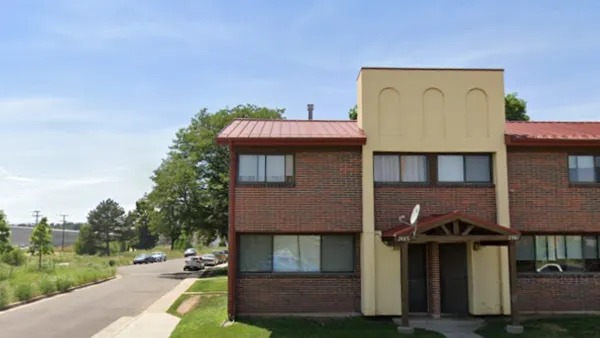
Does Branding Play a Role in Redevelopment?
One Denver neighborhood’s massive redevelopment project includes a branding element. Is it necessary?
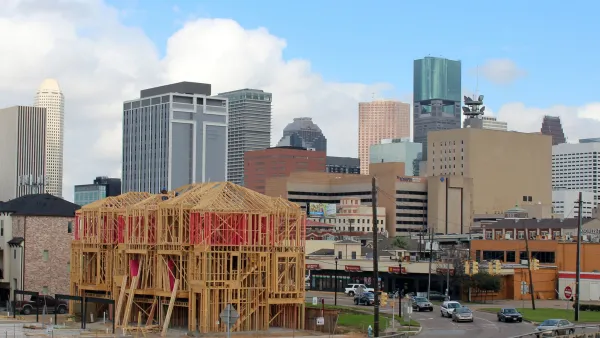
Houston's East River Redevelopment Threatens Historic Black Neighborhoods
Longtime residents are being left behind by new development that has raised housing costs and property taxes for some of Houston's most vulnerable communities, according to an article in the Houston Chronicle.
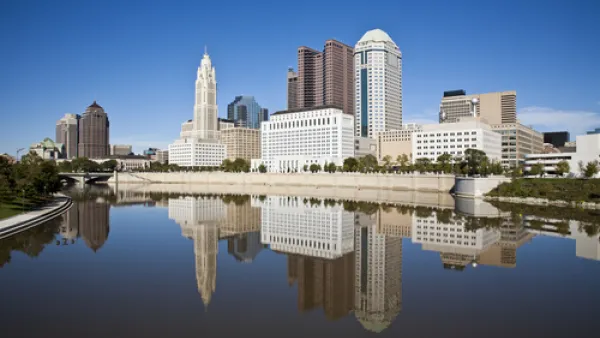
Columbus Considers Its First Community Land Trust
Citing a dire housing situation for low-income renters, Columbus, Ohio is considering its first community land trust. The aim is to create housing alternatives for low-income residents of revitalizing neighborhoods.

Planetizen Federal Action Tracker
A weekly monitor of how Trump’s orders and actions are impacting planners and planning in America.

The state-sanctioned urbicide of Austin
People don’t kill cities. Freeways do.

Colorado’s Largest Data Center Could Rise Next to Homes — Without a Public Hearing
The proposed campus would consume 11 times the power of Denver International Airport; as it has across the country, opposition mounts.

Raised interest rates may kill financially vulnerable construction projects
The chief economist at ConstructConnect warns that if construction project owners are negatively impacted by the raised rates, it could result in delayed payments to contractors.

Data centers are consuming nearly 25% of Oregon’s power
The state has 111 data centers, with 32 more either planned or under construction.

A third of Texas cities must update their zoning codes to comply with new housing law
Texas municipalities are now required to allow manufactured housing in at least one residential zoning district.

FREE Course: Walkable City 1: Why Walkability?
After describing his path towards focusing on walkability as the essence of good planning, Jeff Speck marches through his five principal reasons for making more walkable places.
Reinventing Malls: Planning Alchemy—Turning Gray Fields Into Gold
The course focuses on the opportunities and imperatives that shape reinvention of mall sites.

Greater Baltimore Committee
Eagle County Government
Harvard University Graduate School of Design
The Architects Foundation
University of Cincinnati Online
The Pocatello Development Authority
The Urban Renewal Agency of the City of Pocatello
Journal of the American Planning Association