Without other dedicated funding sources, U.S. transit agencies likely can’t sustain fare-free programs.


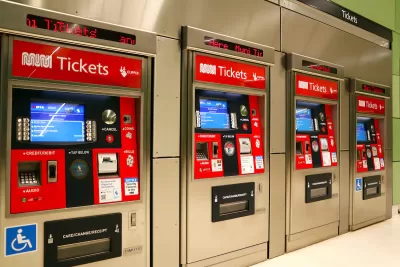
As federal funds that supported some pandemic-era free transit programs wind down, transit agencies must evaluate the effectiveness and sustainability of free fare programs. As Tim Henderson explains in Stateline, free transit rides can be an important lifeline for low-income workers who depend on transit to get to work and access other needs.
Critics of free transit question the effectiveness of making transit free for all riders, including high-income users who could afford to pay fares. Free transit programs may make less sense in cities with more affluent commuters, according to Brian Taylor, a professor at the University of California, Los Angeles and director of the university’s Institute of Transportation Studies. But in many places, transit riders are overwhelmingly lower-income. Proponents of free transit also argue that eliminating fare collection and enforcement would lower operational costs, making up for lost revenue.
To make free transit sustainable without sacrificing service, agencies will have to find other dedicated sources of funding to replace fare revenue.
Read the full story: No fare! Free bus rides raise questions of fairness, viability.

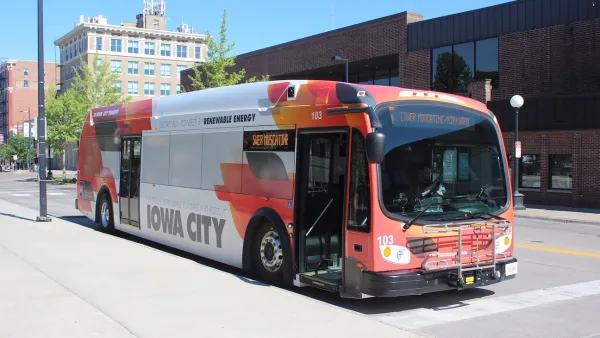
Iowa City's free bus program made ridership spike by 68%. Now, it could go away.
The bus system gained roughly 700,000 new riders since it launched free service in 2023.
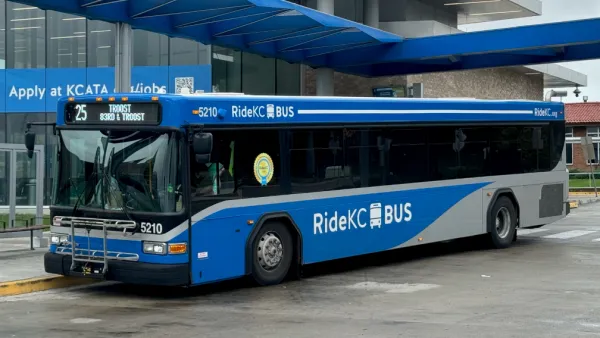
Kansas City Will Start Charging Bus Fares in June — With no Plan in Place for Low-income Riders
Service providers say they haven’t been told how their clients can access free or reduced fares after the agency starts charging again this summer.
Trump DOT Wants to Ban Free Buses
The department wants to prevent cities that receive funds from the Federal Transit Administration from offering free transit fares.

Planetizen Federal Action Tracker
A weekly monitor of how Trump’s orders and actions are impacting planners and planning in America.
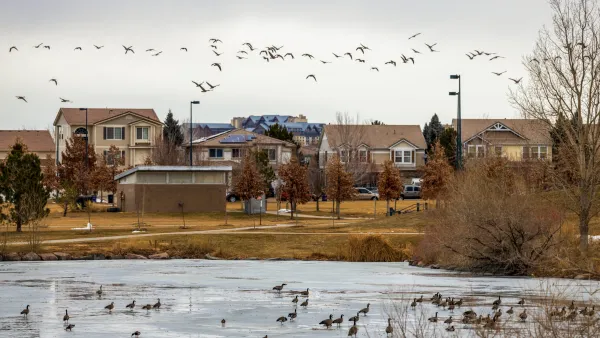
Colorado’s Largest Data Center Could Rise Next to Homes — Without a Public Hearing
The proposed campus would consume 11 times the power of Denver International Airport; as it has across the country, opposition mounts.

US to reduce Colorado River water deliveries to Mexico
A new Colorado Treaty amendment reduces Mexico’s Colorado River water allocation by 250,000 acre feet.
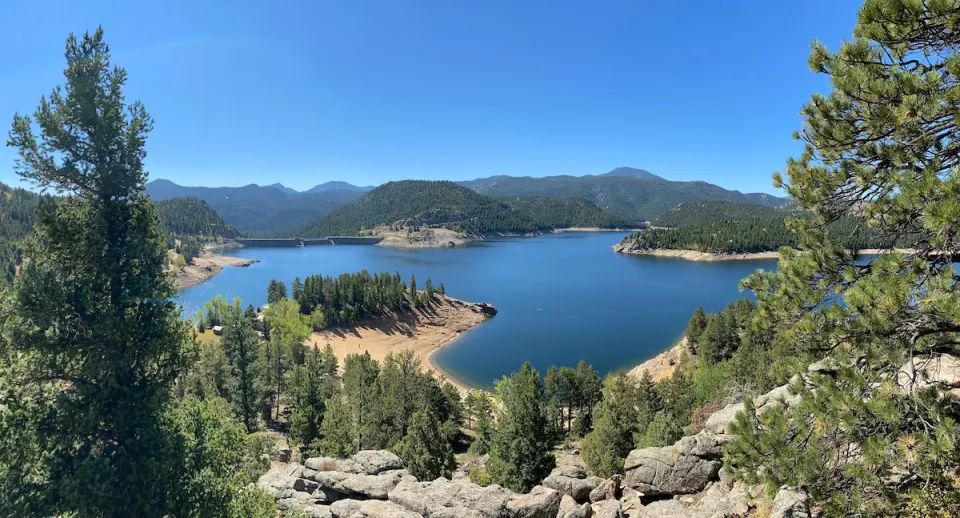
Judges permit Denver to divert 77,000 acre feet from the Colorado River for reservoir expansion
Overuse and climate change have caused the Colorado River’s water levels to plummet.
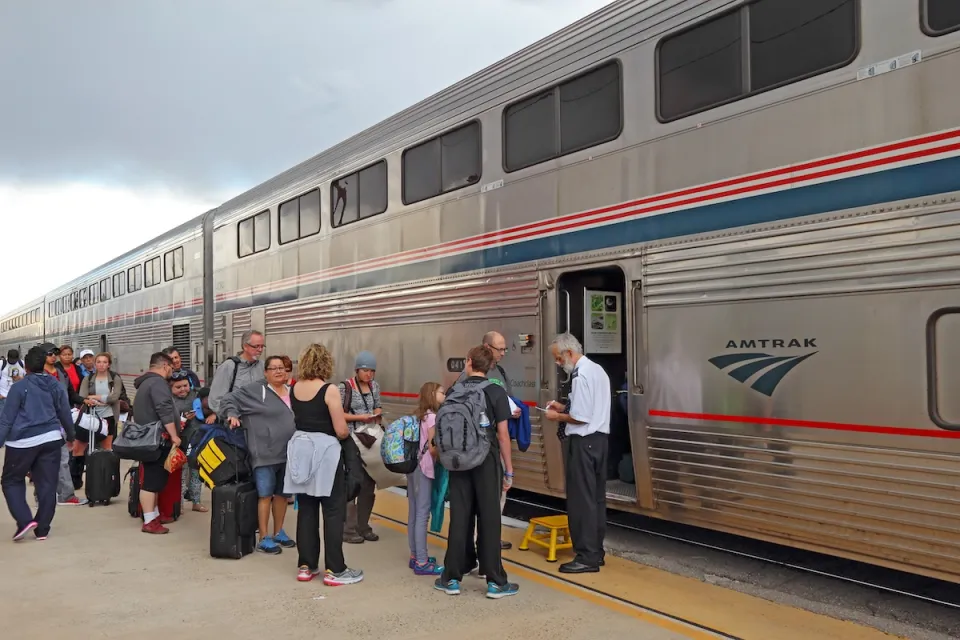
Amtrak, CN end decades-long dispute with eight-year agreement
The new operating agreement establishes an updated framework for the companies to work together, including processes to resolve disputes.
Raised interest rates may kill financially vulnerable construction projects
The chief economist at ConstructConnect warns that if construction project owners are negatively impacted by the raised rates, it could result in delayed payments to contractors.

FREE Course: Walkable City 1: Why Walkability?
After describing his path towards focusing on walkability as the essence of good planning, Jeff Speck marches through his five principal reasons for making more walkable places.
Reinventing Malls: Planning Alchemy—Turning Gray Fields Into Gold
The course focuses on the opportunities and imperatives that shape reinvention of mall sites.

KFH Group Inc.
Greater Baltimore Committee
Eagle County Government
The Architects Foundation
University of Cincinnati Online
The Pocatello Development Authority
The Urban Renewal Agency of the City of Pocatello