Councilmembers who opposed the proposal say the fee would have slowed housing development and raised housing costs.


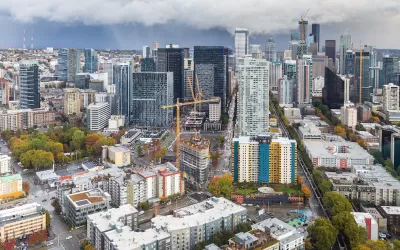
The Seattle City Council voted against a proposal that would have paved the way for a transportation impact fee that would have imposed a charge on new developments.
According to an article in The Registry, “The proposed ordinance aimed to pave the way for a transportation impact fee geared toward constructing sidewalks and other vital infrastructure. Developers expressed concerns that such fees would elevate housing costs, contributing to the council’s close vote against the measure.”
The article adds that the ordinance, which could come before the council again next year, did not immediately impose the fee, but “adjusted the comprehensive plan to outline potential strategies for its implementation.” However, housing advocates expressed concern that the fee could slow housing production and ultimately pass costs on to renters.
A transportation impact fee has been proposed in Seattle for over a decade. In an article in The Urbanist, Ryan Packer notes that “Seattle has long been an outlier in Washington in not having a transportation impact fee program, with over 70 other jurisdictions having fees of certain sizes in place, in addition to impact fees for other infrastructure like schools and parks.”
FULL STORY: Seattle City Council Votes Against Implementation of Transportation Impact Fee on Commercial Development

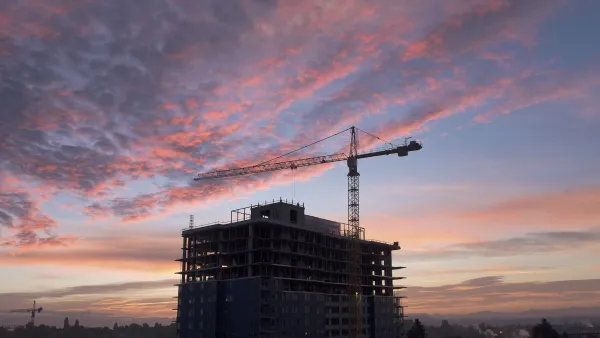
Facing Plummeting Permit Applications, Seattle Weighs Rolling Back Mandatory Affordability Fee
While many factors affect the drop in housing permits, developers say a change to the fee could make a significant impact in moving projects along.

Portland Proposal Would Suspend Development Fees to Spur Housing Construction
Oregon Gov. Tina Kotek and Portland Mayor Keith Wilson announced their policy plan Thursday, with the goal to jumpstart housing construction.

San Francisco Must Streamline Permitting Process
After failing to meet state targets for housing production, the city must create a shorter permitting process under a 2023 state law.

Planetizen Federal Action Tracker
A weekly monitor of how Trump’s orders and actions are impacting planners and planning in America.

The state-sanctioned urbicide of Austin
People don’t kill cities. Freeways do.

US to reduce Colorado River water deliveries to Mexico
A new Colorado Treaty amendment reduces Mexico’s Colorado River water allocation by 250,000 acre feet.

5 New England states march closer to 800 megawatt wind energy project
Securing federal approval for the project may be complicated under the Trump administration, which has historically been hostile towards domestic wind power.

Baltimore to break ground on $50 million Transit Priority Project
The project will bring faster bus trips, safer streets and better bike connections to Baltimore.

Airbnb launches $250 million 'last-dollar financing' housing accelerator, makes first investment in Austin
The company will put $6.4 million towards affordable housing development in Texas’ capital.

FREE Course: Walkable City 1: Why Walkability?
After describing his path towards focusing on walkability as the essence of good planning, Jeff Speck marches through his five principal reasons for making more walkable places.
Reinventing Malls: Planning Alchemy—Turning Gray Fields Into Gold
The course focuses on the opportunities and imperatives that shape reinvention of mall sites.

Eagle County Government
Harvard University Graduate School of Design
Nashville Planning Department
The Architects Foundation
University of Cincinnati Online
The Pocatello Development Authority
The Urban Renewal Agency of the City of Pocatello
Journal of the American Planning Association