State parks are introducing adaptive mobility devices to help more visitors enjoy natural spaces.


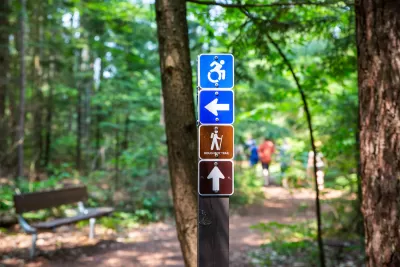
Writing in Governing, Tom Peterson outlines the effort states are making to make more parks and cultural resources accessible to residents with mobility challenges.
“In Minnesota, such efforts got a significant boost earlier this year when legislators funded the Department of Natural Resources’ $149.9 million Get Out MORE (Modernize Outdoor Recreation Experiences) initiative.” Visitors who want to see the Split Rock Lighthouse can now borrow all-terrain chairs that make Pebble Beach, a popular vista point, accessible to wheelchair users.
States including Michigan, Wisconsin, and Iowa have launched similar initiatives to provide adaptive equipment and facilities like track chairs, cross-country sit skis, and modified kayak launches. “Some state parks also offer chairs that bring visitors onto beaches or even into the water. In several Massachusetts state parks, for example, visitors can use four-wheeled sunbathing chairs on the beach, or three-wheeled floating chairs in the ocean.”
The article adds, “As much as technological gains and new programs help, experts and advocates said improving access does not always require major expenditures. In reaching a community that long had no or limited access to outdoors recreation, communication is vital” to ensure people are aware of the mobility options available to them.
FULL STORY: States Spend Millions to Make Parks, Trails More Accessible


Michigan State Parks Make Headway on Accessibility
Among other efforts, the state parks system leads the nation in the number of track chairs, a mobility device designed to help people with mobility issues enjoy park trails and beaches.
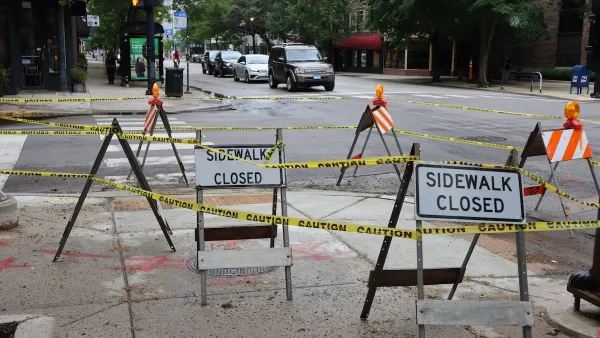
Chicago Residents Sue City Over Inaccessible Sidewalks
The suit alleges the city has failed to create a “coordinated, proactive system” for complying with ADA and ensuring accessibility on the city’s sidewalks and crosswalks.
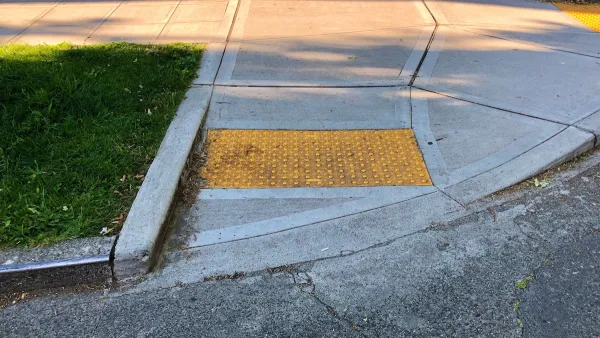
Baltimore Ordered to Improve Sidewalk Accessibility
The city is one of many to face lawsuits for failing to comply with the Americans with Disabilities Act.

The state-sanctioned urbicide of Austin
People don’t kill cities. Freeways do.

US to reduce Colorado River water deliveries to Mexico
A new Colorado Treaty amendment reduces Mexico’s Colorado River water allocation by 250,000 acre feet.

New Jersey’s second-largest city bans standalone data centers
Jersey City will continue to allow co-location facilities, such as those meant for research institutions that store their own data.

Amtrak not solely to blame for New Jersey commuter rail's unreliability, report finds
A new study from the Garden State Initiative found that NJ Transit’s budget grew 20% across a 4 year period, but reliability declined significantly over the same period.

EPA erases limits on planet-warming pollution from power plants
Under Monday’s plan, power plants would still have some limits on how much mercury, arsenic and other contaminants they can emit.

Phoenix announces new on-demand transit service, more frequent RAPID buses
Both new services will launch in October, and are part of Phoenix's Project Effective Access Solutions for Easing Congestion.

FREE Course: Walkable City 1: Why Walkability?
After describing his path towards focusing on walkability as the essence of good planning, Jeff Speck marches through his five principal reasons for making more walkable places.
Reinventing Malls: Planning Alchemy—Turning Gray Fields Into Gold
The course focuses on the opportunities and imperatives that shape reinvention of mall sites.

Eagle County Government
Harvard University Graduate School of Design
Nashville Planning Department
The Architects Foundation
University of Cincinnati Online
The Pocatello Development Authority
The Urban Renewal Agency of the City of Pocatello
Journal of the American Planning Association