Colorado residents can get $6,000 in extra rebates if they trade in their old gas-powered vehicle for an electric vehicle. Rebates are expected to go quickly.


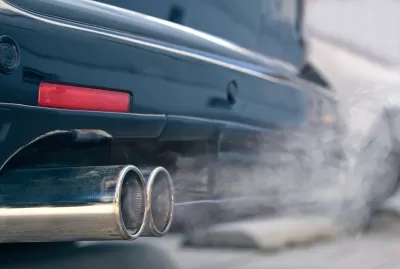
Colorado is launching a “cash-for-clunkers” program, with $1.8 million to pay residents in exchange for their old, polluting, gas-powered cars. The rebates are expected to go fast.
“Those participating in Vehicle Exchange Colorado must apply the $6,000 toward a qualifying new or leased electric vehicle or plug-in hybrid electric vehicle, or take $4,000 off a used EV,” reports Michael Booth.
“Colorado Energy Office program manager Ed Piersa said the state expects the exchange program to last for years and ramp up financing if it proves popular,” adds Both.
The source article, linked below, also includes background on the program. According to the article, the program is an attempt at making the electric car market more equitable. “Colorado has pledged to get 940,000 EVs on state roads by 2030, and has also launched various rules and programs to promote environmental justice and economic equity along the way,” writes Booth. A zero emissions vehicle standard approved by the state in 2019 also requires automakers to sell more EVs in the state.
Cash-for-clunkers is a phrase immediately recognizable to anyone who lived through the Great Recession and the corresponding auto industry bailout. In 2023, however, the state of Colorado’s cash-for-clunkers program makes electric vehicles, rather than more fuel efficient or hybrid vehicles, more affordable for program participants.
Read the full story: Colorado revives “cash for clunkers,” offers $6,000 for an old car you trade for an EV

Virginia Ties Clean Car Standards to California
The last obstacle to a 2021 bill linking Virginia’s emissions standards to California policy was defeated on a party-line vote in the state’s legislature, paving the way for a shift to electric vehicles.

Hanoi to Ban Gas-Powered Two-Wheelers, Later Cars
City officials hope that electrifying motorcycles, a ‘lifeblood’ of Vietnamese transportation, will have a positive impact on air quality and noise in the city’s downtown.
Trump Attacks Environmental Rules Amid Flurry of Executive Orders
Several executive orders signed on Monday seek to repeal Obama- and Biden-era environmental regulations and roll back goals to encourage the shift to electric vehicles.

Planetizen Federal Action Tracker
A weekly monitor of how Trump’s orders and actions are impacting planners and planning in America.

The state-sanctioned urbicide of Austin
People don’t kill cities. Freeways do.

US to reduce Colorado River water deliveries to Mexico
A new Colorado Treaty amendment reduces Mexico’s Colorado River water allocation by 250,000 acre feet.

Brightline West’s future may rely on $6 billion federal loan
The company has until Nov. 2 to make a $400 million equity investment into its proposed high-speed rail line.

LA Metro’s ultimatum: no extra buses for LA28 if federal funding isn’t imminently secured
If Metro does not provide additional buses, LA28 organizers will have to find a new way to manage Olympic traffic. LA28’s budget does not include a line item for transit.

Colorado’s Largest Data Center Could Rise Next to Homes — Without a Public Hearing
The proposed campus would consume 11 times the power of Denver International Airport; as it has across the country, opposition mounts.

FREE Course: Walkable City 1: Why Walkability?
After describing his path towards focusing on walkability as the essence of good planning, Jeff Speck marches through his five principal reasons for making more walkable places.
Reinventing Malls: Planning Alchemy—Turning Gray Fields Into Gold
The course focuses on the opportunities and imperatives that shape reinvention of mall sites.

Eagle County Government
Harvard University Graduate School of Design
Nashville Planning Department
The Architects Foundation
University of Cincinnati Online
The Pocatello Development Authority
The Urban Renewal Agency of the City of Pocatello
Journal of the American Planning Association