Findings from the 2023 Annual Outdoor Participation Trends Report reveals the “who, how, and where” in participation in outdoor recreation.


The Outdoor Industry Association (OIA) and Outdoor Foundation (OF), longtime authorities on outdoor participation data, recently released findings from the 2023 Annual Outdoor Participation Trends Report. For more than 15 years, the Outdoor Participation Trends Report has served as the most comprehensive source of insights and narratives around who’s doing what, when, and how outdoors.
The 2023 report reveals increases in the overall outdoor participation and offers some key insights, including the following:
- The outdoor recreation participant base increased by 2.3 percent in 2022 to a record 168.1 million participants or 55 percent of the U.S. population ages six and older.
- While 2022 outdoor recreation included record numbers of participants and record-high participation rates, the number of outings per participant declined in 2022 for the first time since the pandemic began in 2020.
- The new outdoor recreation participant base became more diverse in 2022 including increases in participation among Black, Hispanic, and LGBTQIA+ people.
- Eighty percent of outdoor activity categories experienced participation growth in 2022, including large categories like camping and fishing and smaller categories like sport climbing and skateboarding.
The full report is available to OIA members only, but readers can request a copy of the Executive Summary with key data points and insights at this link.
Read the full story: Outdoor Participation Grows for Eighth Consecutive Year

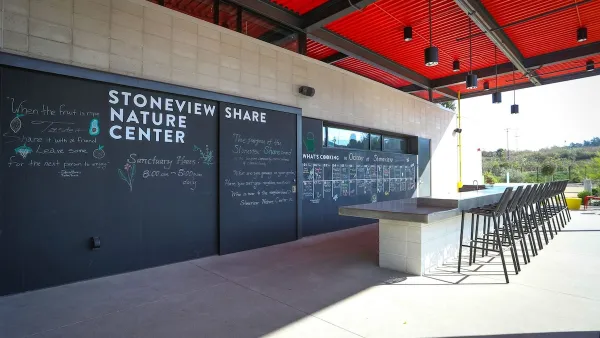
Nature Starts Here: The Essential Role of Nature Centers and Outdoor Programs
Nature centers and outdoor programs serve as vital gateways to environmental education, equity, and stewardship — bringing people closer to nature and inspiring the next generation to care for the planet.
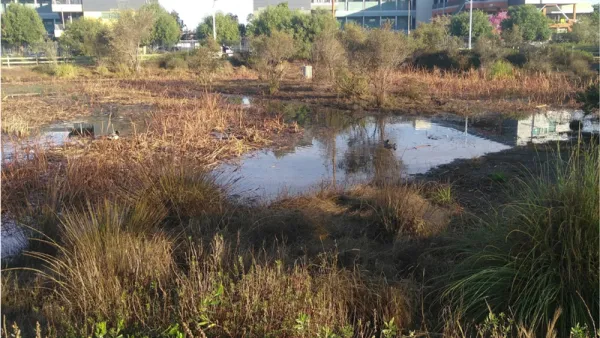
How South LA Green Spaces Power Community Health and Hope
Green spaces like South L.A. Wetlands Park are helping South Los Angeles residents promote healthy lifestyles, build community, and advocate for improvements that reflect local needs in historically underserved neighborhoods.
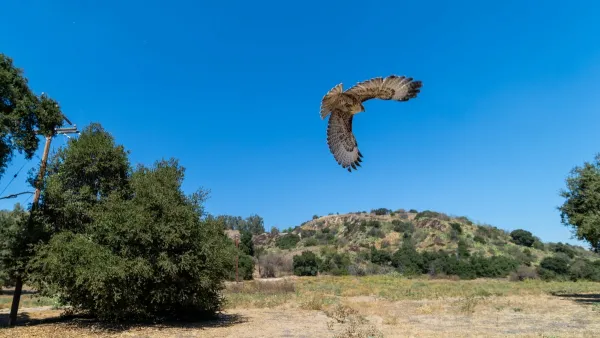
A Greener LA County: 623 Acres of New Parkland for Communities
Los Angeles County is investing $17 million to create 623 acres of new parks and open spaces, expanding access to nature, advancing equity, and enhancing community health and well-being.

Planetizen Federal Action Tracker
A weekly monitor of how Trump’s orders and actions are impacting planners and planning in America.

California plans to bury El Niño’s downpour
If the state plays its cards right, it may be able to store a billion acre-feet of El Niño’s water in aquifers.

Desperate measures: Advocates weigh draining Lake Powell to fill Colorado River
Draining the reservoir could reduce evaporation losses by a couple hundred thousand acre-feet.

40 years after approval, Chicago breaks ground on new park
The park honors Jean Baptiste Point du Sable, the city’s first permanent non-native settler.

‘Hoodwinked:’ New Mexico bill aimed at microgrids paves way for data center development
In an interview with High Country News, Padilla said the legislation “ignited” New Mexico's economy.

California’s ‘unrecognizable’ water plan may go down the drain
After four years of regulatory processes, water agencies say the plan to overhaul how cities and farms take water from the Sacramento-San Joaquin Delta has changed dramatically.

FREE Course: Walkable City 1: Why Walkability?
After describing his path towards focusing on walkability as the essence of good planning, Jeff Speck marches through his five principal reasons for making more walkable places.
Reinventing Malls: Planning Alchemy—Turning Gray Fields Into Gold
The course focuses on the opportunities and imperatives that shape reinvention of mall sites.

City of Rosemead
Rutgers University, Edward J. Bloustein School of Planning and Public Policy
One Hundred Miles
Hunter College, City University of New York (CUNY)
The Architects Foundation
University of Cincinnati Online
City of Cambridge
Montrose County
The Pocatello Development Authority