The bus network redesign set to be unveiled next week is ambitious, but the agency says it doesn’t have the resources to implement it.


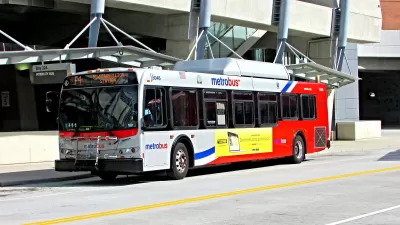
D.C. Metro will release its long-awaited bus system redesign plan next Monday, but how much of it will become reality? Jordan Pascale assesses the situation in DCist, writing that “Metro wants to make the entire bus network fast, reliable, and direct seven days a week, but it costs 35% more than current service levels across the region.”
Metro says the improvements could attract 40,000-45,000 new weekday riders – 40 million annually – and get people out of cars and into transit, avoiding 15,000 metric tons of greenhouse gases each year. The changes, planners say, will benefit those who need it most: Nearly six in ten Metrobus riders don’t own a car, half make under $30,000, and 84% are people of color.
The proposal would boost bus frequencies to 12 minutes or 20 minutes, run buses 24 hours a day, streamline routes to make them more direct, and create more connections between rail lines and regional employment centers. “It will also aim to connect missing links, like east-west routes between northern Red Line stations, helping riders avoid having to ride all the way downtown and back up.”
Unfortunately, “Metro says it doesn’t have the equipment, garage space, drivers, or money to run this level of service at the moment, but they say it’s important to start with lofty goals.” The agency also faces a $750 million budget shortfall.
Read the full story: Metro Is Releasing Its Vision For A Redesigned Bus System Next Week. How Much Will Become A Reality?

Impending ‘Fiscal Cliff’ Could Doom DC Transit’s Dramatic Improvement Efforts
Without additional funding, the region’s transit agency could be forced to reverse key changes that have improved service in the past year.
Congressman Proposes Bill to Rename DC Metro “Trump Train”
The Make Autorail Great Again Act would withhold federal funding to the system until the Washington Metropolitan Area Transit Authority (WMATA), rebrands as the Washington Metropolitan Authority for Greater Access (WMAGA).
DC-Area Jurisdictions Pledge Bridge Funding for Transit
District officials could commit up to $200 million as short-term support for the struggling regional transit system.

Planetizen Federal Action Tracker
A weekly monitor of how Trump’s orders and actions are impacting planners and planning in America.

California plans to bury El Niño’s downpour
If the state plays its cards right, it may be able to store a billion acre-feet of El Niño’s water in aquifers.

Desperate measures: Advocates weigh draining Lake Powell to fill Colorado River
Draining the reservoir could reduce evaporation losses by a couple hundred thousand acre-feet.

California city breaks ground on transit connector
The project includes three mobility hubs and a pedestrian bridge.

After public outcry, Massachusetts city releases housing development tracker
Cambridge’s tracker currently shows 250 housing projects in various stages of development.

40 years after approval, Chicago breaks ground on new park
The park honors Jean Baptiste Point du Sable, the city’s first permanent non-native settler.

FREE Course: Walkable City 1: Why Walkability?
After describing his path towards focusing on walkability as the essence of good planning, Jeff Speck marches through his five principal reasons for making more walkable places.
Reinventing Malls: Planning Alchemy—Turning Gray Fields Into Gold
The course focuses on the opportunities and imperatives that shape reinvention of mall sites.


City of Rosemead
Rutgers University, Edward J. Bloustein School of Planning and Public Policy
One Hundred Miles
Hunter College, City University of New York (CUNY)
The Architects Foundation
University of Cincinnati Online
City of Cambridge
Montrose County
The Pocatello Development Authority