A proposed zoning change would allow up to four units on almost 3,000 additional parcels.


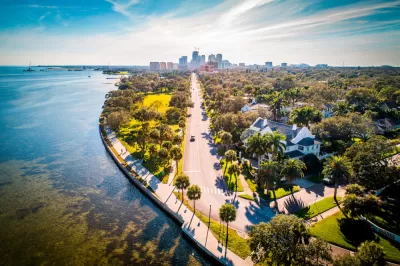
The St. Petersburg City Council is moving forward with a proposal to permit denser housing development, reports Veronica Brezina in St. Pete Catalyst.
According to Brezina, “The language in the first reading of the city-initiated Neighborhood Traditional Mixed Residential (NTM-1) zoning application calls for an increase in the building density, allowing up to four units on nearly 3,000 parcels across the city.”
City councilmembers pushed back on neighborhood associations who oppose the move out of concern for “neighborhood character,” adding that “the proposed zoning change does list specific requirements related to the parking, setbacks, alleyways, facades and roads.”
Supporters of the measure argue that more housing is crucial in a county where one-third of families spend over 40 percent of their income on housing and professionals such as firefighters and teachers are increasingly pushed out. Anthony Close of urban development blog St. Pete Rising, pointed out in a public meeting that NTM-1 zoning would only apply to under 3 percent of the city’s lots.
The city council will take up the issue again on March 23.
FULL STORY: City favors adding housing density in neighborhoods


Experts Say Zoning Reform Isn’t Likely to Solve Housing Crisis
A survey by Fannie Mae found widespread skepticism among housing experts that zoning reforms will be enacted widely enough to make a major impact on U.S. housing supply.

Sacramento Council Approves Upzoning Proposal
If given final approval, the plan would increase the allowable floor area ratio to permit denser housing development in single-family neighborhoods and near transit.
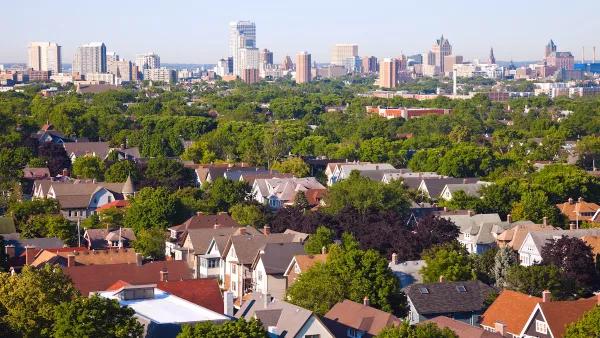
A Look at Milwaukee’s Zoning Reform Proposal
The ‘Growing MKE’ plan calls for allowing ADUs, reducing barriers to new construction, and expanding the types of housing available in the city’s residential areas.

Planetizen Federal Action Tracker
A weekly monitor of how Trump’s orders and actions are impacting planners and planning in America.

The state-sanctioned urbicide of Austin
People don’t kill cities. Freeways do.

US to reduce Colorado River water deliveries to Mexico
A new Colorado Treaty amendment reduces Mexico’s Colorado River water allocation by 250,000 acre feet.

Mamdani overhauls NYC's Vision Zero plan with 100 new policy goals
The overhaul aims to reduce traffic deaths and make streets safer for pedestrians, cyclists and drivers through lower speed limits, new safety infrastructure and more.

Amtrak not solely to blame for New Jersey commuter rail's unreliability, report finds
A new study from the Garden State Initiative found that NJ Transit’s budget grew 20% across a 4 year period, but reliability declined significantly over the same period.

EPA erases limits on planet-warming pollution from power plants
Under Monday’s plan, power plants would still have some limits on how much mercury, arsenic and other contaminants they can emit.

FREE Course: Walkable City 1: Why Walkability?
After describing his path towards focusing on walkability as the essence of good planning, Jeff Speck marches through his five principal reasons for making more walkable places.
Reinventing Malls: Planning Alchemy—Turning Gray Fields Into Gold
The course focuses on the opportunities and imperatives that shape reinvention of mall sites.

Eagle County Government
Harvard University Graduate School of Design
Nashville Planning Department
The Architects Foundation
University of Cincinnati Online
The Pocatello Development Authority
The Urban Renewal Agency of the City of Pocatello
Journal of the American Planning Association