The financial intricacies involved in building affordable housing can be difficult to understand. This explainer breaks down the foundational concepts.


Affordable housing is hard to build not because of lack of need, but because of how it's financed. This guide explains the basics, including:
-
Capital Stack: Projects are funded through a mix of debt and equity, used to cover land, construction, and soft costs.
-
The Funding Gap: Affordable rents generate less income, meaning smaller loans—creating a gap that must be filled to make a project viable.
-
Closing the Gap: Developers use a mix of:
-
Subsidies (grants, tax credits, vouchers)
-
Cost-saving strategies (donated land, fee waivers)
-
Lower-cost capital (below-market loans and equity)
-
-
Why It Matters: Understanding these tools helps advocates, policymakers, and funders support more sustainable, equitable housing development.
FULL STORY: Affordable Housing Finance 101

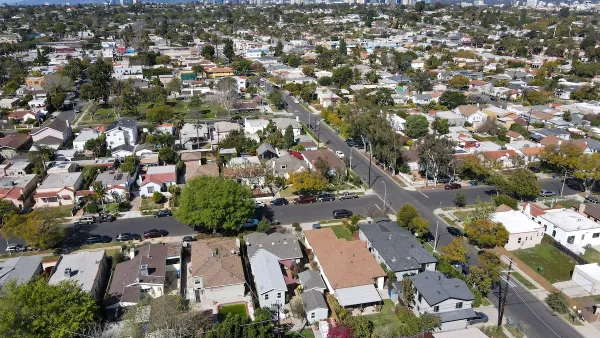
California Law Ends Road Widening Mandates
Housing developers will no longer be required to dedicate land to roadway widening, which could significantly reduce the cost of construction and support more housing units.
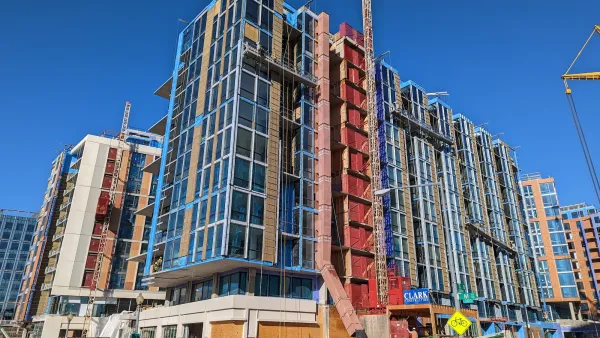
Analysis: DC needs tens of thousands of new homes — not just 'zoned capacity'
Estimates for Washington DC's housing needs range from 15,000 to 170,000.
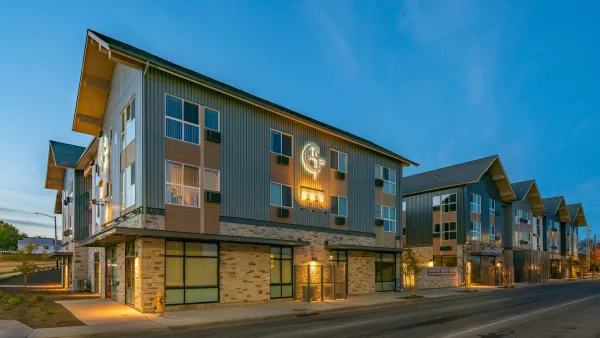
When churches become builders: New data chronicles the rise of the YIGBY movement
More and more churches want to use their land to build affordable housing. The public sector can help.

Planetizen Federal Action Tracker
A weekly monitor of how Trump’s orders and actions are impacting planners and planning in America.

The state-sanctioned urbicide of Austin
People don’t kill cities. Freeways do.

US to reduce Colorado River water deliveries to Mexico
A new Colorado Treaty amendment reduces Mexico’s Colorado River water allocation by 250,000 acre feet.

5 New England states march closer to 800 megawatt wind energy project
Securing federal approval for the project may be complicated under the Trump administration, which has historically been hostile towards domestic wind power.

Baltimore to break ground on $50 million Transit Priority Project
The project will bring faster bus trips, safer streets and better bike connections to Baltimore.

Airbnb launches $250 million 'last-dollar financing' housing accelerator, makes first investment in Austin
The company will put $6.4 million towards affordable housing development in Texas’ capital.

FREE Course: Walkable City 1: Why Walkability?
After describing his path towards focusing on walkability as the essence of good planning, Jeff Speck marches through his five principal reasons for making more walkable places.
Reinventing Malls: Planning Alchemy—Turning Gray Fields Into Gold
The course focuses on the opportunities and imperatives that shape reinvention of mall sites.

Eagle County Government
Harvard University Graduate School of Design
Nashville Planning Department
The Architects Foundation
University of Cincinnati Online
The Pocatello Development Authority
The Urban Renewal Agency of the City of Pocatello
Journal of the American Planning Association